Draper mayor trying to strike a balance between compliance and loss of lifestyle
Apr 17, 2026, 6:24 PM | Updated: Apr 28, 2026, 1:31 pm
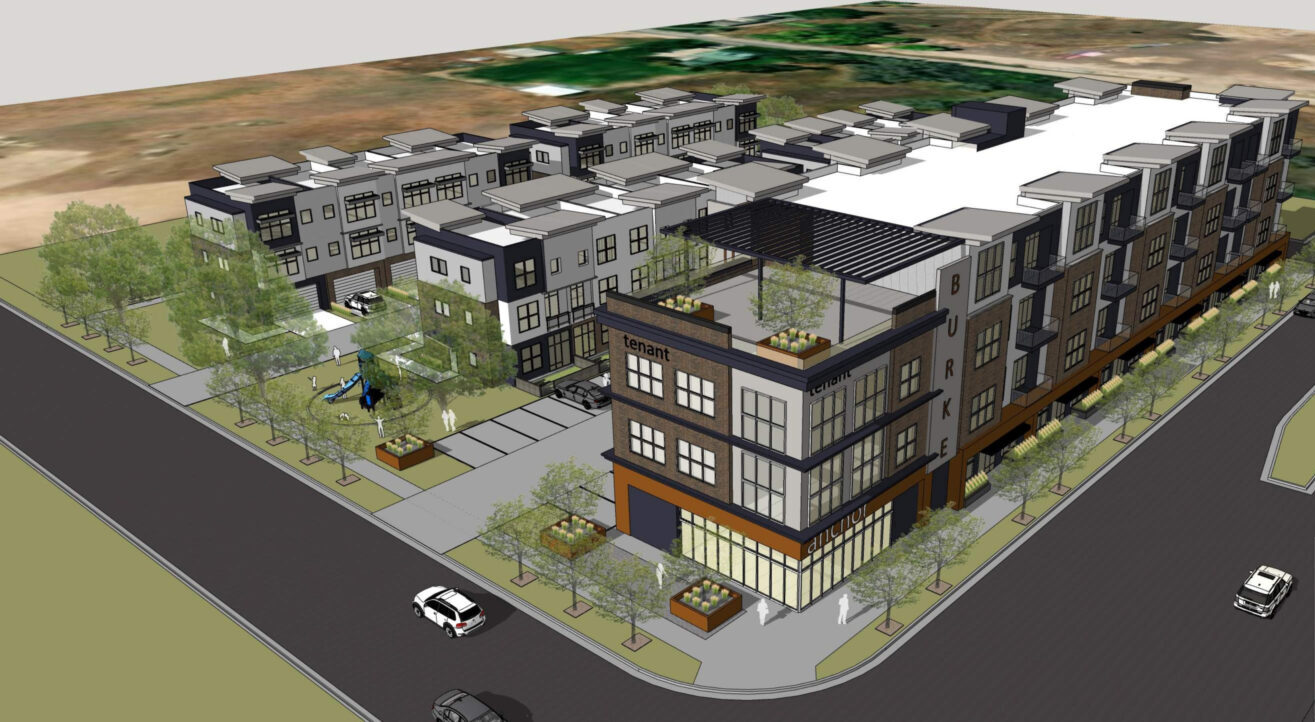
A rendering for Sego Townhomes, a development planned within Farmington’s North FrontRunner Station area plan. (Courtesy: Onyx Design Collective)
(Courtesy: Onyx Design Collective)

DRAPER — Decisions such as land use made by city governments may frustrate residents, but is it really the city making those decisions?
Because land is local, residents may assume it’s the city council or the mayor calling the shots. But that’s not necessarily the case, especially if cities are municipalities; those cities fall under the jurisdiction of the state legislature.
Decisions which may appear to be local, or made by the city, are the result of station area planning, or high-density housing developments built around mass transit stops. The Utah State Legislature has mandated that cities with mass transit stops put in high-density housing, or lose critical funding.
Currently in Draper, high-density housing is zoned at 12 units per acre, but most of the station area developments required by the legislature to keep that funding are set at 50 units per acre.
Some residents like the high-density housing around the mass-transit stops for the convenience; others see this as overreach at the state level, and a loss of the lifestyle which attracted them to an area in the first place.
Mayor of Draper City, Troy Walker, said his city is striving to strike a balance to comply with the legislature while keeping the strain on areas around the stops in check. Walker said they were able to negotiate with the legislature to put in less density housing at the Kimball’s Lane stop because the housing there will be owned, not rented.
He expects there will be around 26 units at that specific location. Walker also commented he is aware of how unattainable home ownership is for generations trying to get into their own places, and he hopes this development will help make home ownership realistic in Draper again.
Walker said he feels the legislature and local governments have a better relationship than even a few years ago. He encourages voters to research the policies of candidates they are considering at the state level, because they may have more control over city level decisions than voters realize.
Other reading: Draper City Council considers street name change to honor local girl who died