Utah researchers work to help families of babies with hearing loss navigate their next steps
Mar 12, 2026, 2:10 PM | Updated: Mar 13, 2026, 7:08 am
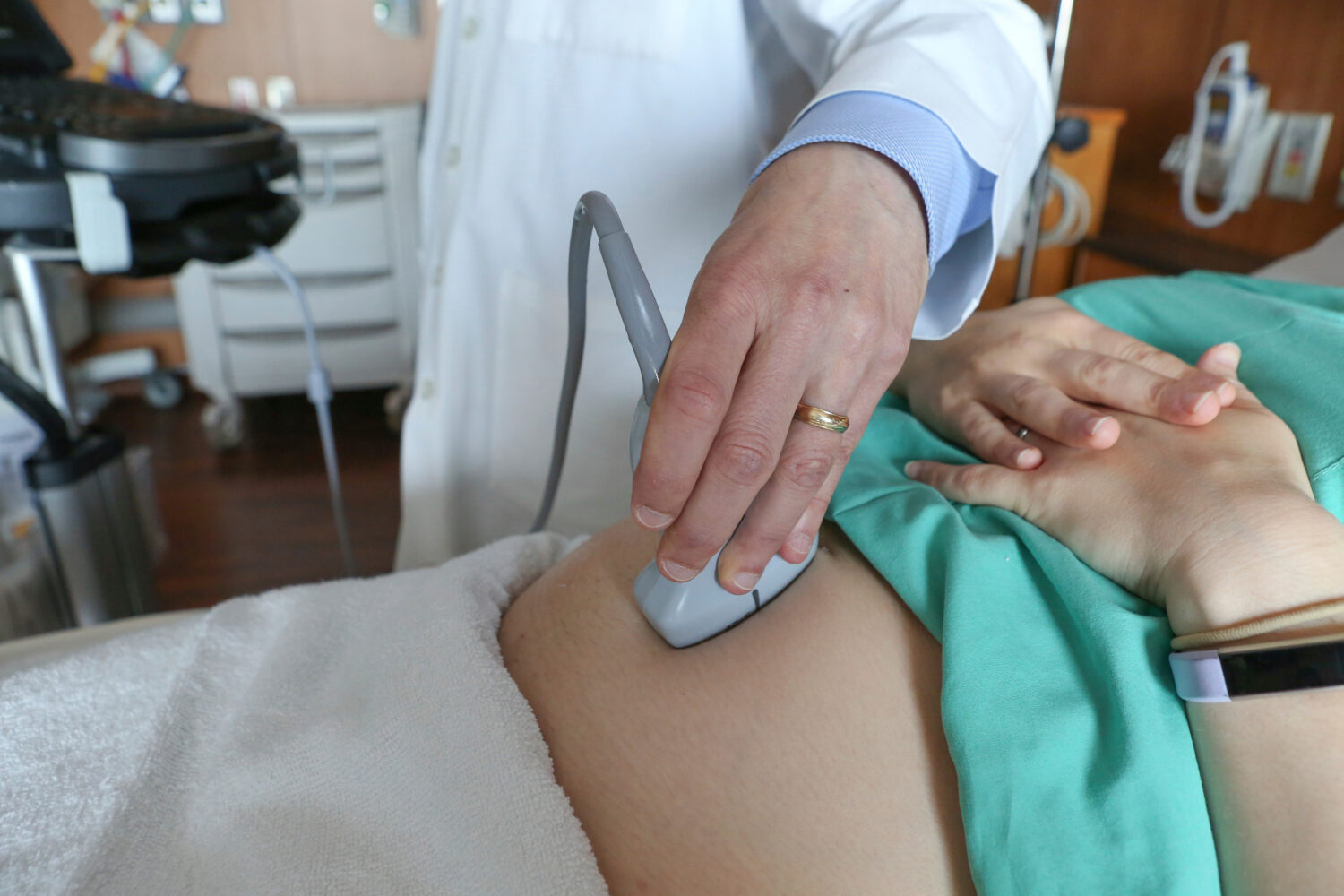
FILE - A doctor performs an ultrasound scan on a pregnant woman at a hospital in Chicago on Aug. 7, 2018. (AP Photo/Teresa Crawford, File)
Credit: ASSOCIATED PRESS
(AP Photo/Teresa Crawford, File)

SALT LAKE CITY — About 95 % of infants are tested for hearing loss, but only 25 % of those who test positive come back for a follow-up visit.
Utah State University senior researcher Alyson Ward said there are many reasons not to make those appointments, from misinformation to a lack of transportation. She said for decades parents have been told their infant didn’t pass a test because there is likely fluid in their ears, but she says that is not true.
The current protocol has health providers wait for at least a day after the baby is born to perform a hearing test, which is plenty of time for any fluid to drain.
Beyond that, it might not be made clear to families how urgent getting another appointment or early intervention is.
Early intervention may look like meeting with speech-language pathologists who specialize in working with children and working with other therapy providers who can help the child gain language skills.
In her research, Ward has found that children who are deaf or hard of hearing are one or 1.5 standard deviations below their hearing peers. She said not getting these children the help they need could have long-term consequences.
“You can imagine that those mile markers are important throughout the child’s life because community communication is so vital to being connected to others and connected to the world. And so we just are really wanting to give these infants their best chances at success,” Ward said.
Her team has been awarded a two-million-dollar grant grand will use it to develop a training program for family navigators who can help families understand their next steps after a failed hearing test.
The grant will be used to develop a training program for family navigators who can help families understand their next steps after a failed hearing test.
Navigators will be sent to Texas, Arkansas, Kentucky and Idaho, where they will be using and helping develop the curriculum for the next three years, starting in April.
Ward’s team will be working on the program with IDRPP’s National Center for Hearing Assessment and Management.