Community, city leader pushing back on bid to rename Harvey Milk Boulevard
Jan 12, 2026, 3:30 PM | Updated: Jan 13, 2026, 2:30 pm

A street sign for Harvey Milk Boulevard, 900 South in Salt Lake City, is pictured on Monday, Jan. 12, 2026. (Eric Cabrera, KSL)
(Eric Cabrera, KSL)
SALT LAKE CITY — A proposal moving through the Utah Legislature to rename Salt Lake City’s Harvey Milk Boulevard to Charlie Kirk Blvd is drawing strong opposition from small business owners and city leaders, including a 900 South business owner whose viral video helped fuel a growing petition urging lawmakers to keep the street’s current name.
The petition, promoted by Equality Utah and shared widely on social media, argues that businesses and residents intentionally built along the corridor in part because the street name reflects values of inclusion and community — and that changing it would disrupt both the identity and economic vitality of the area.
Madison Nilsson, owner of Salt Lake Pottery Studio and the Art Café on 900 South, said she did not realize the effort to rename the street had already been underway until recently, despite operating two businesses along the corridor. She said a text message from one of her landlords urging her to sign the petition pushed her to speak out publicly.
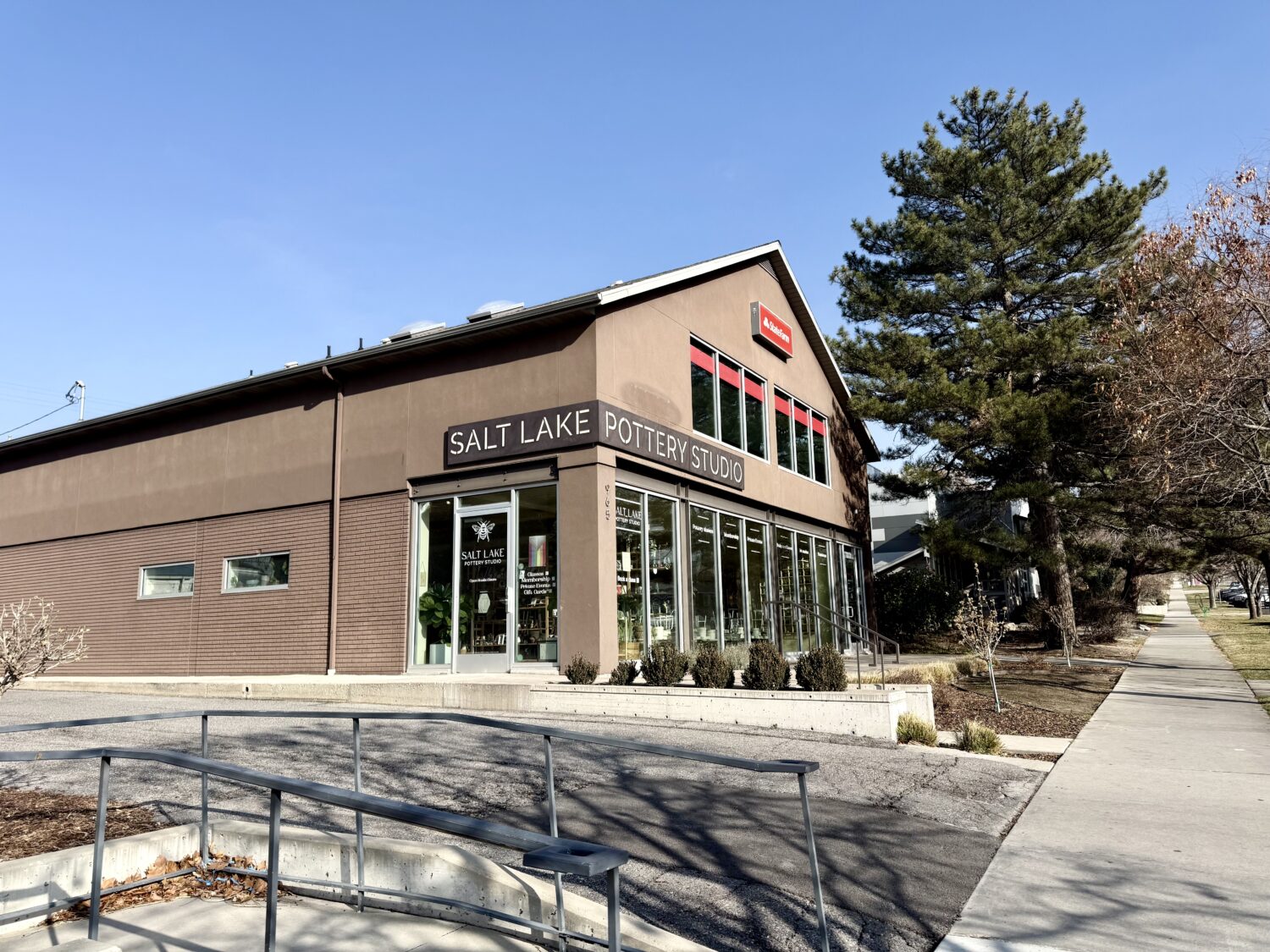
Salt Lake Pottery Studio, located on Harvey Milk Boulevard, is pictured on Monday, Jan. 12, 2026. (Eric Cabrera, KSL)
“The reason why I posted was because one of my landlords on 900 South said, ‘I really hope you signed this because we need to get as many signatures as possible,’” Nilsson said. “That just really fueled me. I told one of my managers, ‘Take my phone, I need to make a video right now.’ I was just full of anger that our state would step into our city and try to take away our right of naming a street.”
Nilsson said the proposal felt especially personal because of the makeup of the 900 South corridor, which she described as being dominated by locally owned businesses that rely on a strong sense of place and community support.
“Especially 900 South — this is made up of all small businesses,” she said. “I think our street has the most small businesses in one compacted street in the entire country.”
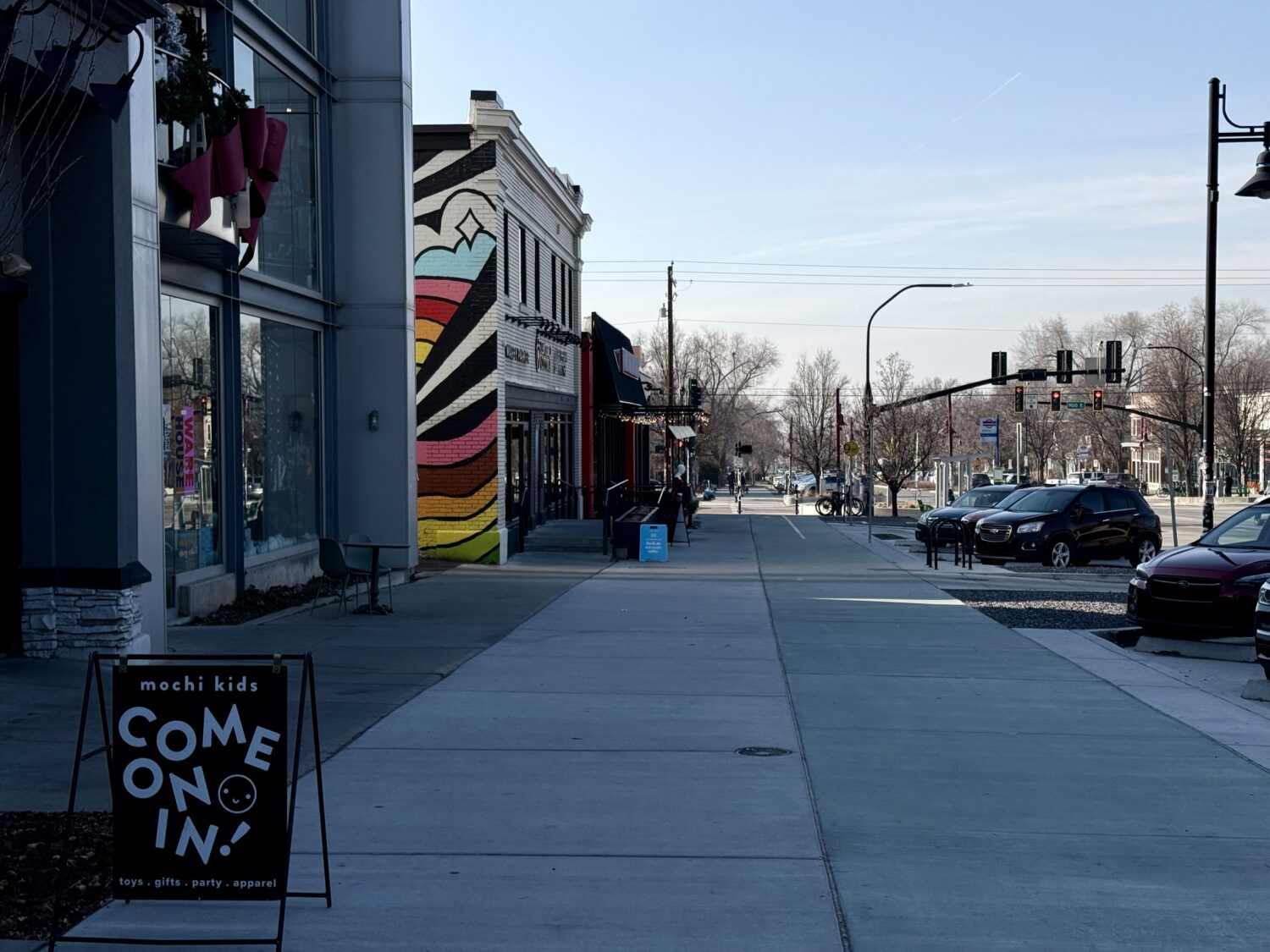
Local businesses on Harvey Milk Boulevard are pictured on Monday, Jan. 12, 2025. (Eric Cabrera, KSL)
She added that Harvey Milk’s legacy is deeply connected to why the street was named in his honor.
“He was not only a trailblazer for equality, but also a builder of communities across all cultures,” Nilsson said. “Working intentionally with communities beyond his own to create positive change — that is what 900 South is. That is why we named it Harvey Milk.”
Salt Lake City Council member Eva Lopez Chavez said the public reaction underscores broader frustrations she hears from business owners and residents — particularly as state leaders debate issues she says feel disconnected from day-to-day struggles.
“Harvey Milk represents every community that’s ever faced adversity, starting with the very Mormon pioneers that crossed over,” Lopez Chavez said. “This is an icon that speaks to so many communities, and it has provided a place of coalescing for the businesses of Salt Lake City.”
Lopez Chavez directly criticized the proposal’s sponsor, Rep. Trevor Lee, saying the debate highlights misplaced priorities at the Capitol.
“Trevor Lee says this has no relevancy to Utah,” she said. “What does have relevancy today is livable wages, the cost of living, the cost of rent for small businesses — the different struggles that we all face together.”
She added that if lawmakers are willing to pursue symbolic changes, they should also act on policies that would directly impact Utahns’ quality of life.
“If he can file a bill to change a street name, I hope he can file a bill to change the minimum wage and the cost of living here in Utah,” Lopez Chavez said.
Organizers say they plan to bring the petition before the Salt Lake City Council at its upcoming meeting, giving residents an opportunity to voice concerns at the local level — even as the proposal itself continues to move through the state legislature.
The debate has renewed broader questions about local control and who should decide which figures are honored in public spaces.