
‘Five days, and he was gone:’ Utah mom joins cause against sextortion after death of son
Feb 2, 2026, 3:23 PM
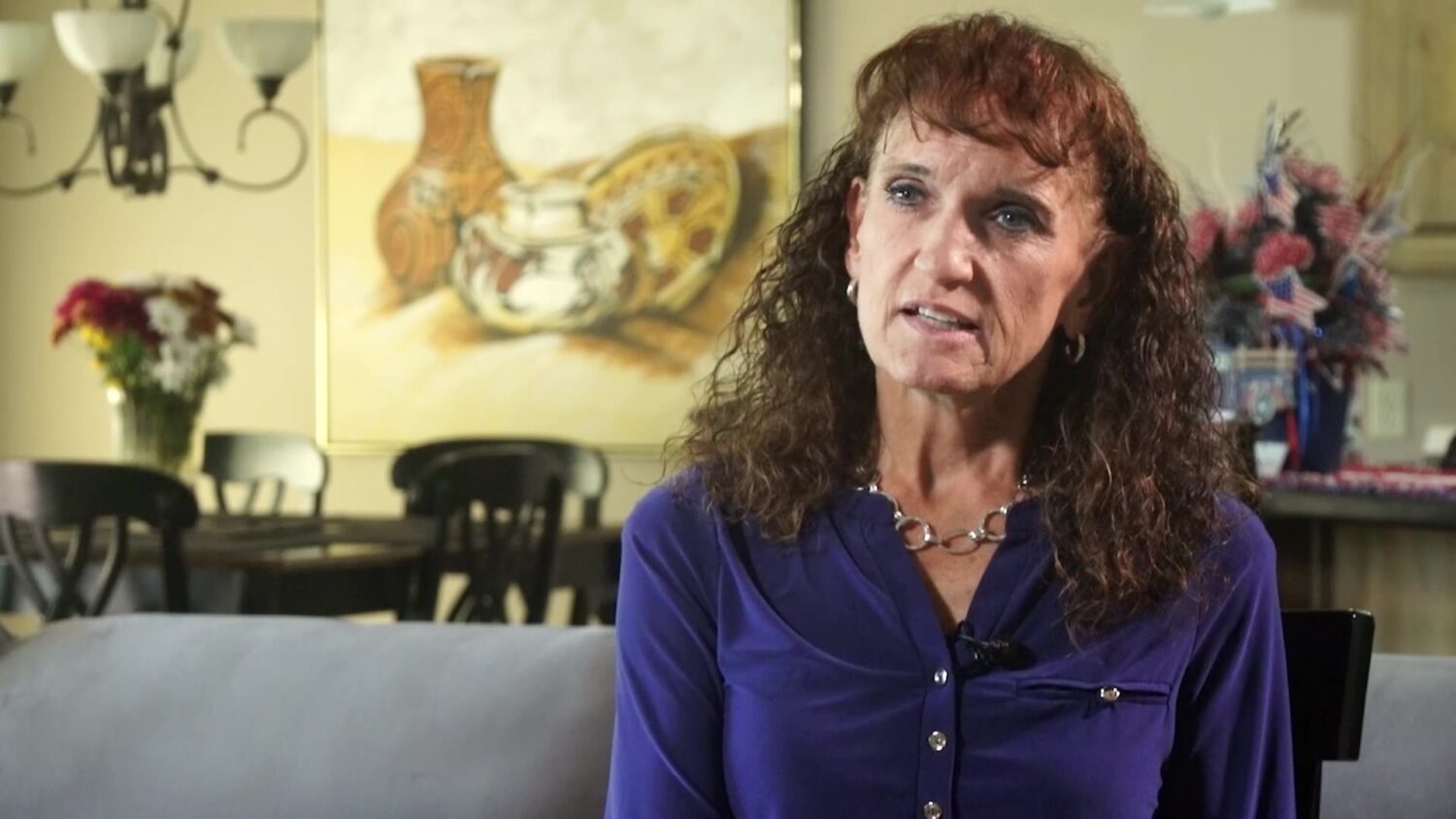
Cindy George speaks with KSL in an interview about the death of her son, Jake, who was the victim of a sextortion scam. (Jack Grimm, KSL)
(Jack Grimm, KSL)

SALT LAKE CITY — The dangers that exist on the internet aren’t a new topic, but the world wide web has proven itself to be ever changing, introducing new dangers as it evolves. One group in Utah is taking strides to try and bring awareness to one of them: sextortion.
Sextortion is a rising scam where a hacker convinces an online user to send an explicit picture of themselves, or convinces the user they already have explicit pictures of them in order to manipulate the user into blackmail. In some cases, sextortion crimes can use AI to manipulate pictures of the user to make them more explicit.
After explicit photos are obtained, the scammer then bombards the victim with threats to distribute the photos, unless they’re paid. Brandy Vega with Promise2Live said this kind of pressure put on someone can put their life in danger.
“Often within hours, people take their lives,” Vega said, “especially people who don’t know where to turn or what to do. And they’re so embarrassed, ” Said Brandy Vega.
A mother’s message to parents
Cindy George learned first hand how dangerous these scams can be after she lost her son, Jake, in 2015 when he fell victim to a sextortion scam.
When she first got the call of her son’s suicide she was in shock.
“I said no you’ve got the wrong kid. Can’t be my son. He wasn’t depressed. He wasn’t on drugs or alcohol it didn’t make sense,” George said.
George later received eight letters from her son. One of which told how to get into the Kik app and look up a certain name that lead to the chat with the scammer.


“They coerced him into sending an explicit picture, and then once he sent it, they said, we have you now, and you’re going to pay us $300,” George said. “If you want this deleted, or we’re going to send it out to your family. We’re going to send it to your school. We’re going to send it to your job. Basically, we’re going to destroy your life with this picture. And he went into a panic.”
George said that after Jack sent the money to the Philippines, they asked for more and more money. Even bringing up that they knew where he worked and that in two weeks they expected more payments.
“And he said, ‘Well, you’re not going to get anything from me if I’m not here.’ And they said, ‘Oh, are you going to kill yourself like the five other guys did? Go ahead. Do it. You’ll be the sixth. And I don’t care,'” George said. “And then they proceeded to push him to do it. And from start to finish — five days — and he was gone.”
George said that her son was is college and was a good kid and if other parents think that this won’t happen to their kids, think again because this can happen to any good kid.
Listen to the full inside sources episode here:
“If he would have just talked to someone, we could have told him a picture is not going to destroy your whole life. But he didn’t talk to anyone. He was embarrassed,” George said. “And so I’m here to talk about it. So maybe one kid won’t take the bait. Maybe one kid won’t have to go through what my son went through. And maybe one mom won’t have to bury their son.”
George is scheduled to share her story Monday, at the Promise2Live Safe Tech event at Sky Ridge High School, alongside other experts on digital addiction, sextortion, and AI manipulations affect on youth and families. The event will be held from 6:30 to 8:30 p.m., with doors opening at 6 p.m.
Vega said if you have any loved ones in your life, young or old, to talk to them today.
“Here’s what it looks like. Don’t do it. But if you do it, know that I love you enough that I’m here to support you. That conversation has to happen … the embarrassment isn’t worth your life. No failure should be fatal.”
Contributing: Mary Culbertson, KSL