How AI is helping shelter pets find homes
May 17, 2026, 4:43 PM
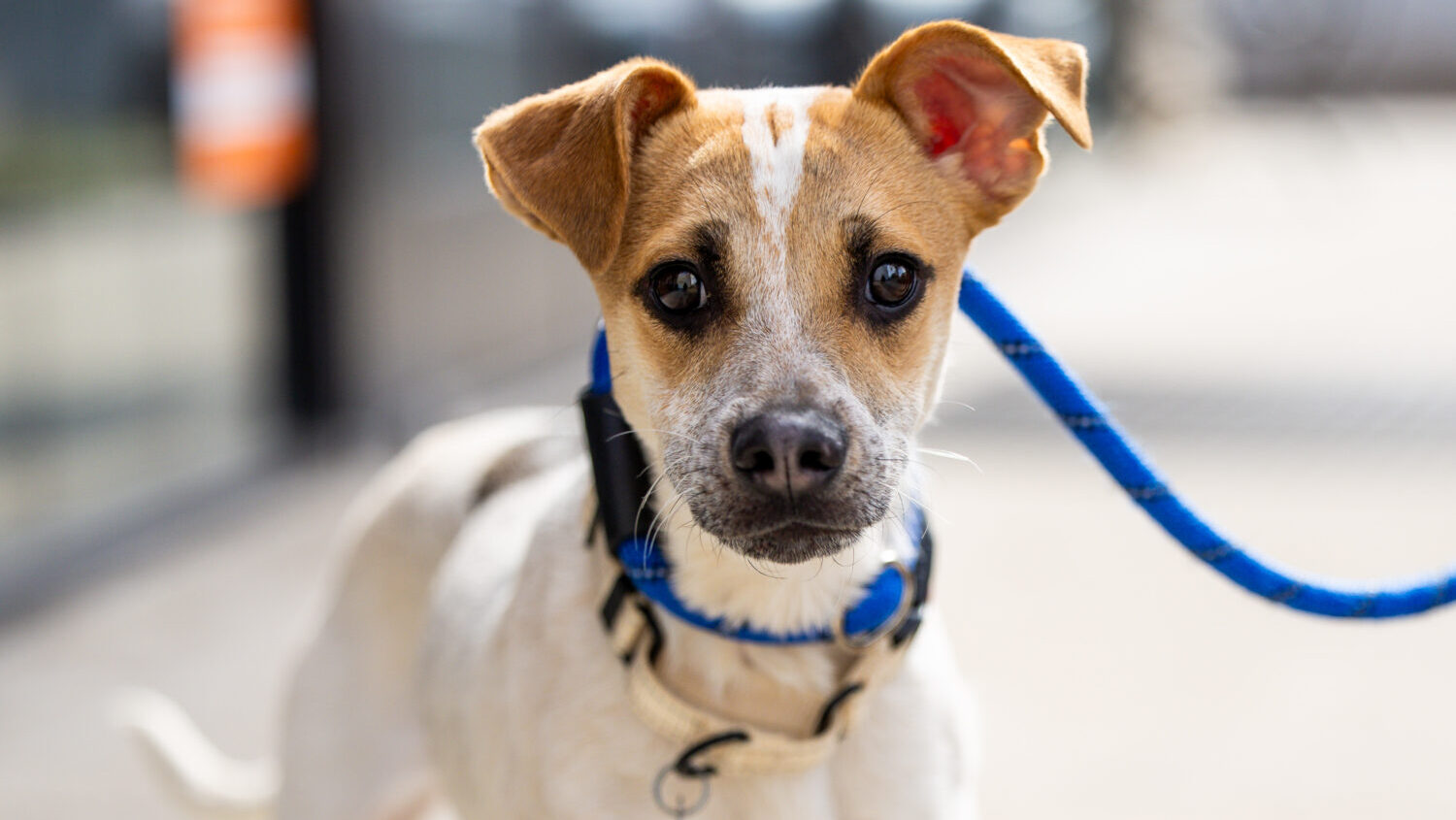
Cricket goes on a walk with Lars Tatom, volunteer with the Best Friends Animal Society, outside the Best Friends Animal Society in Salt Lake City on Wednesday, Feb. 25, 2026. (Tess Crowley, Deseret News)
(Tess Crowley, Deseret News)
SALT LAKE CITY — Across the country, animal shelters face the same challenge … too many shelter pets, not enough time, and limited resources to get dogs and cats into homes.
This week in Salt Lake City, animal welfare leaders are coming together to explore a tool that could help tip the balance in favor of lifesaving — artificial intelligence.
The annual Best Friends National Conference draws more than fifteen hundred attendees, all focused on finding smarter, faster ways to get shelter pets out of shelters and into loving homes.
AI to help shelter pets faster
From writing pet bios to identifying the best shelters for transfers, the technology is designed to speed up lifelines for dogs and cats waiting in kennels.
Acquisti said AI helps shelters by handling repetitive administrative work, giving staff more time to focus on in‑person care and community connections.
AI not to replace the human aspect
Organizers said AI is not meant to replace human judgment but to support it.
In a field where staff burnout is high, using technology to reduce paperwork can allow shelters to focus on what matters most: helping animals and the people who want to adopt them.
“It can make us work more efficiently so we can spend more time on the human connections that we need to make to raise money or to save animals,” said Peralta. “A lot of the administration or things that take us a lot of time can now be organized in a way that allows us to spend more time on the things that matter.”
Beyond individual shelters, AI is also helping organizations look across communities — identifying where space is available and matching pets to shelters that can take them.
That kind of coordination, leaders said, was nearly impossible at scale just a few years ago.
“If one shelter’s looking for placement and there’s another shelter that has space, AI can help organize and identify that opportunity in ways that would have taken us hours, days, or months,” said Peralta.
One step towards the larger goal
All of these tools point toward a larger goal, making no‑kill shelters sustainable nationwide.
Best Friends defines no‑kill as saving at least ninety percent of animals entering shelters, a benchmark organizers said is both measurable and achievable.
“No kill is really saving every animal that’s not irredeemably suffering or actually a danger to the community. So every animal that should be getting out of a shelter, getting out of a shelter, and we use a 90% benchmark because what gets measured is what gets done,” said Peralta.
As the no‑kill movement grows, leaders said AI could help bridge the final gap, allowing shelters to reach people faster, make better decisions, and ultimately save more lives.
For those attending the conference, the message is clear: technology, when used thoughtfully, can be a powerful new ally for animals waiting for a second chance.
Related: Why colleges are turning to oral exams to combat AI
Contributing: Diana Jones, KSL