As Earth’s temperature rises, so do deaths among people with mental health problems
Nov 18, 2023, 7:00 AM | Updated: May 28, 2024, 12:14 pm
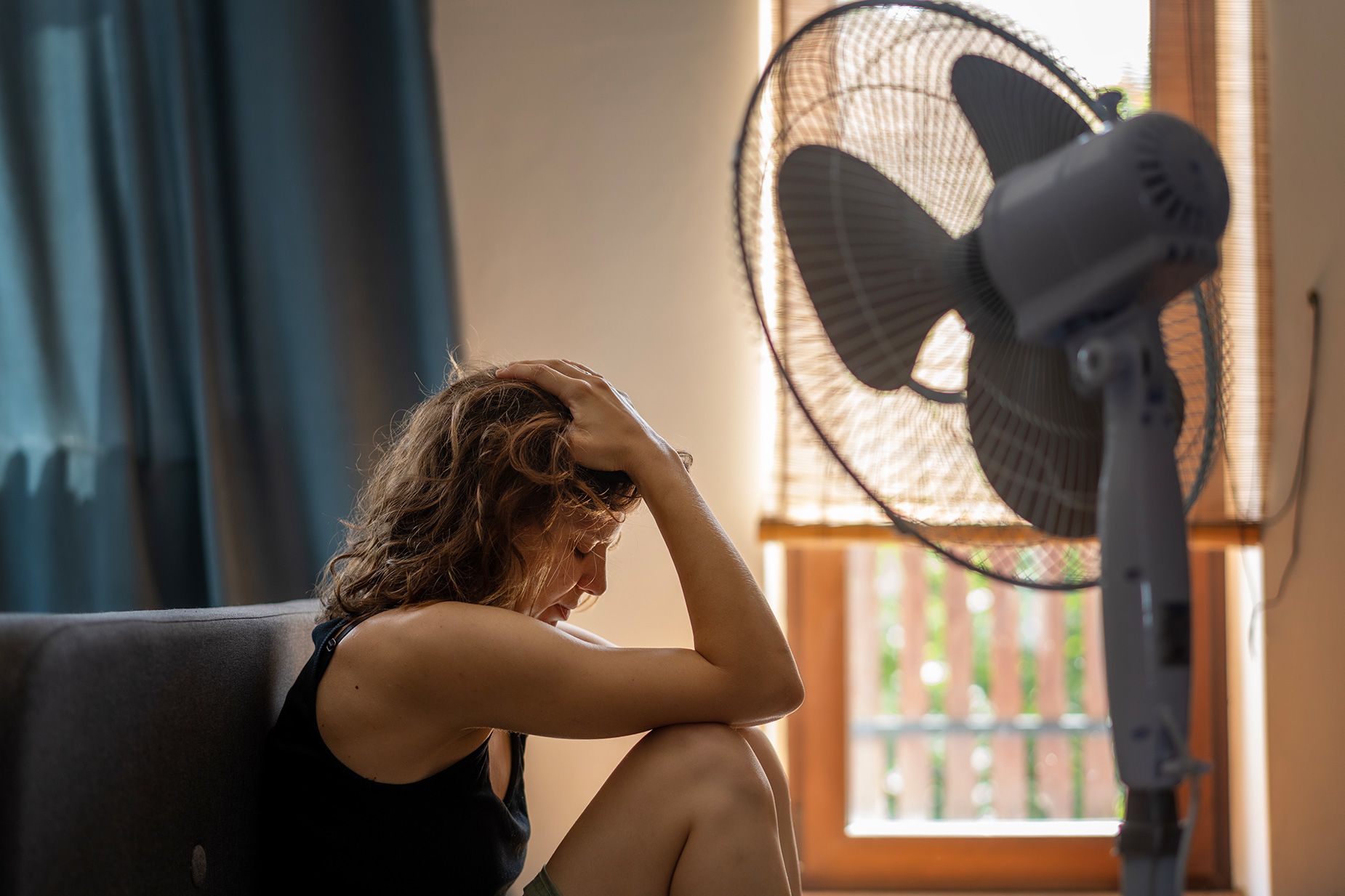
People with certain mental health problems are more at risk for experiencing the dangers of the climate crisis, experts say. (Olezzo/iStockphoto/Getty Images)
(Olezzo/iStockphoto/Getty Images)
Editor’s note: Correction: A previous version of this story incorrectly stated which study Dr. Peter Crank was an author of.
(CNN) — As the climate crisis gets worse, we know of farmers whose crops are drying up and people who lose their homes due to rampant wildfires.
But there’s another group for whom the climate crisis is a potentially lethal threat — people with mental health problems such as schizophrenia, bipolar disorder or anxiety.
And this threat has already become reality for some people. During a record-breaking heat wave in British Columbia in June 2021, 8% of people who died from the extreme heat had been diagnosed with schizophrenia, according to a March study. That made the disorder a more dangerous risk factor than all other conditions the authors studied, including kidney disease and coronary artery disease.
“Until climate change gets under control, things are only going to get worse unfortunately,” said Dr. Robert Feder, a retired New Hampshire-based psychiatrist and the American Psychiatric Association’s representative to the Medical Society Consortium on Climate and Health. “As the temperature keeps increasing, these effects are going to be magnified. There’s going to be more storms, more fires, and people are going to be more worried about what could happen because a lot more things are happening.”
Rising temperatures have also been associated with suicide attempts and increased rates of mental health-related emergency department visits, several studies have found. And long-term exposure to air pollution — which the climate crisis can worsen by adding more particles from droughts or wildfires — has been linked with elevated anxiety and an increase in suicides.
What’s going on in the brains of people with schizophrenia or other conditions is just one factor that makes them more vulnerable to extreme heat, air pollution and stress, experts said — and in need of support from loved ones, surrounding communities and policymakers.
Extreme heat and mental health
What makes some psychiatric patients more susceptible to the harms of extreme heat — such as heatstroke or death — begins in a part of the brain called the anterior hypothalamus. Think of it as the body’s thermostat.
“That’s the part of the brain that is working to tell you — when you’re too hot or you’re too cold — to begin shivering, to begin sweating,” which is the body’s cooling mechanism, said Dr. Peter Crank, an assistant professor in the department of geography and environmental management at the University of Waterloo in Canada. Crank was the lead author of a March study on associations between temperatures in Phoenix, Arizona, and hospital admissions of people with schizophrenia.
“It tells the rest of your brain you need to take behavioral action, like drinking water or putting on a coat when it’s too cold or taking off a coat when it’s warm,” he added. “These disorders, whether it’s bipolar, schizophrenia or manic depressive — all three of them impair the neurotransmission of information to that portion of the brain.”
The capacity to regulate body temperature may also have to do with brain chemicals such as serotonin and dopamine, which are generally lower in the brains of people with these disorders, experts said.
“The hypothalamus is directly dependent upon being stimulated by serotonin,” said Dr. Joshua Wortzel, a psychiatrist at Bradley Hospital at Brown University in Rhode Island and chair of the American Psychiatric Association’s committee on climate change and mental health. “Serotonin levels in the brain are affected by temperatures outside, and so you can imagine that when we’re playing around with serotonin levels in the brain with our medicines, that can change a person’s ability to sweat.”
Some medications used to treat these disorders can add to the risk by affecting the ability to sweat or raising the body’s core temperature.
Antipsychotic medications — often used to treat schizophrenia, bipolar disorder, paranoia and delusions — have the greatest effect, Feder said. Those include aripiprazole, olanzapine, risperidone, quetiapine and lurasidone.
Some stimulant medications for attention deficit hyperactivity disorder, or ADHD, such as lisdexamfetamine and amphetamine/dextroamphetamine salts, and anti-anxiety medications can also cause this problem.
Lithium, a mood-stabilizing medicine, can cause dehydration, Feder added.
Lifestyle habits important for managing mental health symptoms can also take a hit. Warm temperatures can also interfere with sleep, an important factor for managing mental health symptoms, experts said.
Additionally, “the nature of most mental health conditions is that once you’re diagnosed with it, you are at risk for recurrent episodes of that illness,” Feder said. “And these episodes are often brought on by some type of stress. And climate disasters are certainly a stress.”
Homelessness is also high among people with mental health conditions, especially in the schizophrenic population.
“And if you’re homeless during a heat wave, that puts you at increased risk for death, because you don’t have access to air-conditioning,” Feder said.
Behaviors caused by these conditions can also contribute to a higher risk of heat-related illness or death. The psychosis that people with schizophrenia can experience, for example, can mean they’re not correctly interpreting reality, so “they may not even be aware that they’re overheated, or they may think that the source of their being overheated is due to some bizarre or irrational reason and not do something appropriate to get out of the heat or to make themselves (safer),” Feder said.
People with mental health issues are also more likely to self-medicate with drugs that interfere with their body’s ability to sense and respond to heat.
How to protect yourself and others
If you’re on any of these medications and think no longer taking them is the solution, not so fast. “That would be far worse than staying on the medicine,” which plays a crucial role in your treatment, Wortzel said.
Talk with your doctor about whether a medication you’re on or starting makes you more vulnerable to extreme heat since some informational pamphlets for these drugs may not list that risk as a potential side effect.
“These are rather just cautions,” he added, “to really just make sure that you’re staying in cooler environments, making sure you’re hydrated — that if climate change continues to get worse, this is going to be really a side effect that we’re going to have to worry more and more about.”
It’s not a reason to stop taking antipsychotics, Wortzel said, but it’s good reason to take care of yourself in the heat.
Addressing the climate crisis, the root of the problem, is of course the most important solution, Wortzel said. What’s also necessary at the policy level, he added, is expanding access to cooling centers and other resources, and providing more funding for research that would help us better understand the impact of heat on mental health.
There are steps individuals and communities can take to protect vulnerable people when hot weather comes.
“Patients need to be aware that they are vulnerable to stress,” Wortzel said. “You need to make sure that you have access to air-conditioning, a cooling center, to stay hydrated and to make sure you’re monitoring how much you’re outside, (that) you’re not out in the hottest times of the day, things like that.”
Wear sunscreen, hats and light-colored, loose-fitting clothing, Crank said. Taking cold showers can also help keep your core temperature down.
“The other thing that people can do is start getting involved in climate activities,” Feder said. “For the anxiety that’s associated with climate change, the best thing people can do is actually get involved in climate (advocacy) groups and start working for changes to the climate crisis.”
Feder also suggested people write or talk to their lawmakers about the issue.
You should also inform your loved ones of your vulnerabilities so they can offer support.
If you’re not someone at greater risk and are wondering how you can help, practice empathy and awareness by keeping water bottles in your car to hand out to those at higher risk of harm from extreme heat.
“Take the time to, if seeing someone in distress, call some sort of emergency services so that they can get medical attention,” Crank said. Doing so will likely take only a few minutes out of your day.
The-CNN-Wire
™ & © 2023 Cable News Network, Inc., a Warner Bros. Discovery Company. All rights reserved.