Utahns urged to use less water amid ‘drastic decline’ at reservoirs
Aug 21, 2025, 8:00 PM

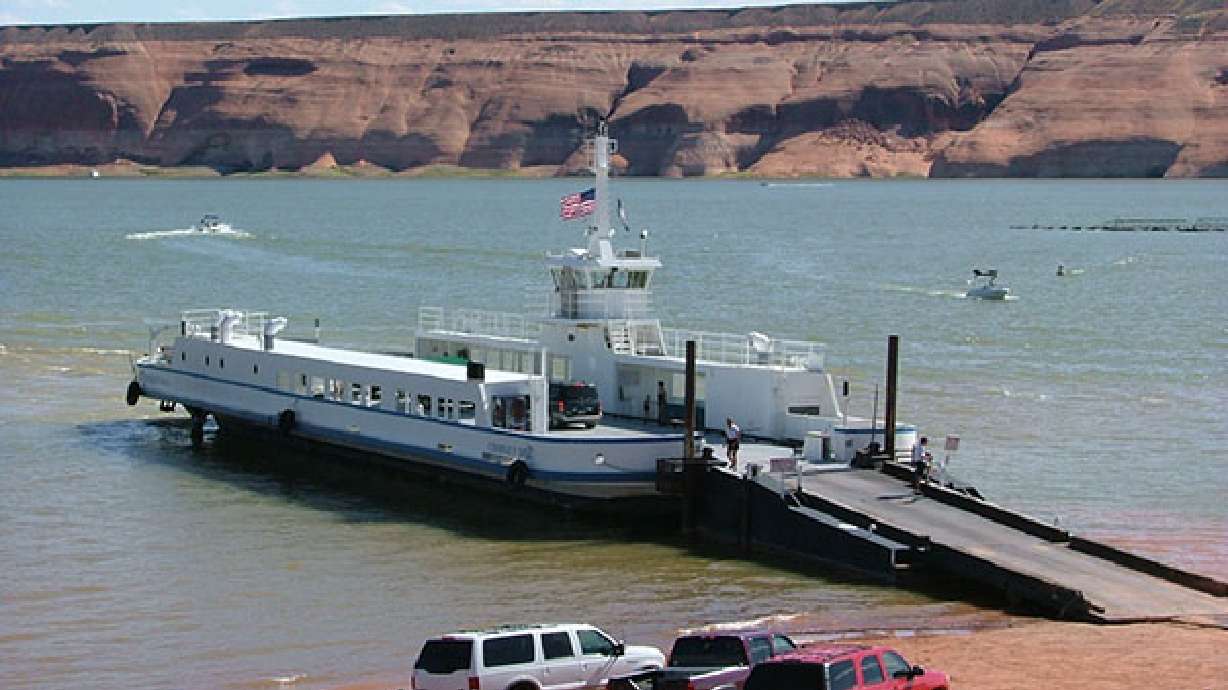
A reservoir in Utah is pictured. (Stuart Johnson, KSL TV)
(Stuart Johnson, KSL TV)
SALT LAKE CITY — Water is flowing out of Utah’s reservoirs at more than double the typical rate, officials announced Thursday.
According to the Utah Division of Water Resources, that excessive drawdown since June 1 has led to a “drastic decline” in reservoir levels as the state deals with dry conditionsand, thus far, very little precipitation this summer.
“Reservoirs are our first line of defense against drought and are vital for our communities and ecosystems,” said Candice Hasenyager, Utah Division of Water Resources director, in a statement. “The rapid decline we’re seeing is a clear signal that we must be more vigilant and use less water.”
Officials said statewide reservoir storage is currently at 67%, which is a little above normal for this time of year, but it’s much lower than the 83% storage that was reported last year at this same time.
Meanwhile, the Great Salt Lake sits about three feet above the record low level it hit a few years ago. Just this week, lawmakers advanced a bill giving the state more flexibility to raise the berm separating the northern and southern parts of the lake. Supporters said this will help regulate changing water levels and prevent salinity spikes, but opponents argued it will not help save the lake.
While precipitation in Utah has been scarce over the last few months, a change could be coming soon as monsoonal moisture is expected to move in late this week, according to the National Weather Service.
⛈️Monsoon moisture finally arrives late this week and persists through much of next week. Until then, temperatures will remain hot before a gradual cool down by Sunday as more moisture moves into the area. #utwx #wywx pic.twitter.com/IRxCkxHWln
— NWS Salt Lake City (@NWSSaltLakeCity) August 20, 2025
Still, Utah’s reservoirs and lakes are expected to keep dropping, Hasenyager said, “until temperatures cool and the irrigation season ends in October.”
For tips on saving water, visit the state’s Slow the Flow website.
Related: Utahns may soon face watering restrictions, water managers say