Thousands of boats inspected for invasive species over Memorial Day weekend
May 28, 2025, 8:00 AM | Updated: 8:55 am
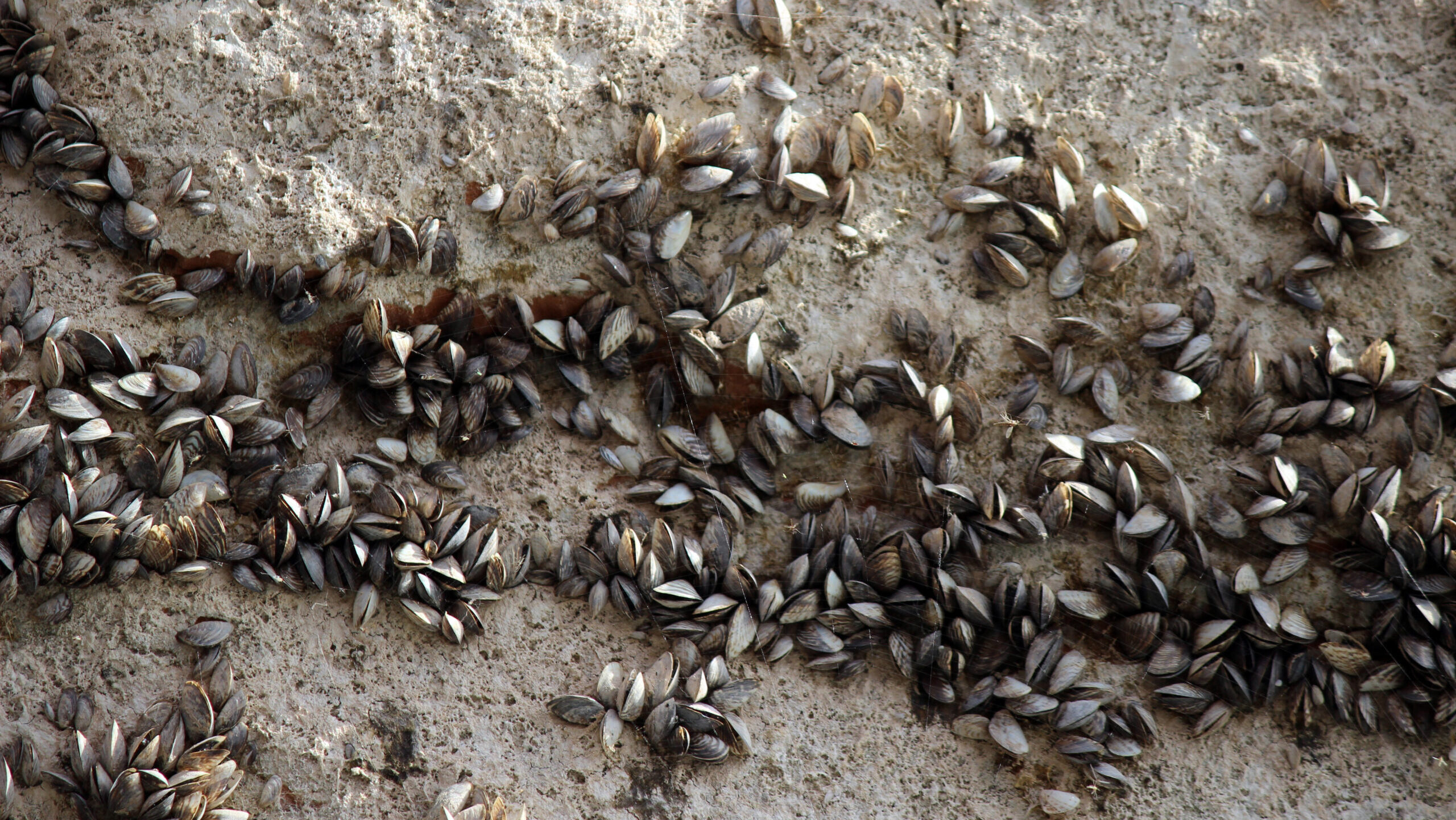
Quagga mussels are pictured on a wall at Lake Powell. The invasive species causes damage to boats, native species, and infrastructure. (Devan Chavez/Utah State Parks)
(Devan Chavez/Utah State Parks)

SALT LAKE CITY — The Utah Division of Wildlife Resources said it inspected nearly 11,000 boats over Memorial Day weekend.
According to the organization, the effort was made to ensure that invasive species, such as quagga mussels and Eurasian watermilfoil don’t spread to more bodies of water.
Of the 10,988 boats that were inspected, the DWR said 141 boats were decontaminated. Of those, 63 took place near Lake Powell, where quagga mussels have been noted as an invasive species.
Sometimes referred to as non-native species, invasive plants and animals can cause harm to the environment it enters, out-competing native species. Additionally, some of those species can damage recreation equipment and water infrastructure.
The impacts of invasive species
The DWR provided some examples of the damage caused by quagga mussels and Eurasian watermilfoil.
Quagga mussels can clog water lines, even if they are a wide diameter. If they enter water systems, removal can increase the cost of utility bills. Similarly, if they enter a boat’s engine systems, they can cause expensive damages.
When they die in large numbers, the mussels create a foul smell. Their shells can be sharp, cutting the feet of people who walk along beaches.
Finally, the DWR said quagga mussels remove plankton from bodies of water, harming fish.
Similarly, Eurasian watermilfoil spreads quickly, growing in thick mats and blocking sunlight, causing harm to species below the water’s surface.

Eurasian watermilfoil, an invasive species, is removed from the waters of Bear Lake. (Utah Division of Forestry, Fire & State Lands)
The plant can tangle around boat propellers and clog irrigation pipes. Removing it is “extremely expensive,” according to the DWR.
Inspection stations
Utah has over 40 boat inspection stations, which are near bodies of water, highways and at Port of Entry stations. Five dip tanks have also been installed across the state, which help decontaminate boats.
“We opened a new aquatic invasive species mandatory inspection station in Kanab, and unfortunately, we had some boaters drive past it over the holiday weekend,” Utah Department of Natural Resources Law Enforcement Aquatic Invasive Species Lt. Bruce Johnson said.
Johnson expressed gratitude to boaters who stopped to have their vessels inspected.
According to the DWR, inspections revealed 113 violations of laws implemented to prevent the spread of quagga mussels and other non-native species.
The majority of the violations were due to failure to take the state’s mussel-aware course, failure to pay the associated fee and failing to remove drain plugs while moving boats.