Lithium-ion batteries likely caused two recent fires
May 14, 2025, 8:00 AM | Updated: 9:25 am

LAS VEGAS, NV - JANUARY 06: Lithium-ion batteries are displayed at the Panasonic booth during the 2015 International CES at the Las Vegas Convention Center on January 6, 2015 in Las Vegas, Nevada. CES, the world's largest annual consumer technology trade show, runs through January 9 and is expected to feature 3,600 exhibitors showing off their latest products and services to about 150,000 attendees. (Photo by David Becker/Getty Images)
(Photo by David Becker/Getty Images)

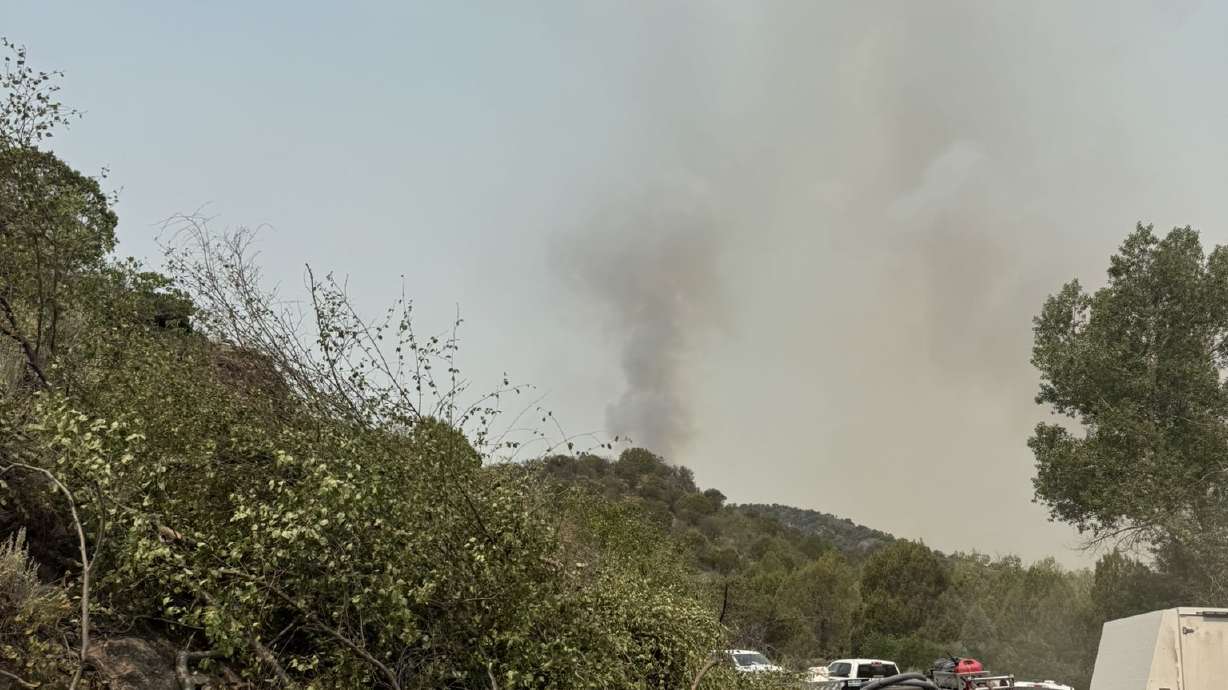
SALT LAKE CITY — Fire officials now believe two recent fires were caused by lithium-ion batteries.
According to a Facebook post from Unified Fire Authority, a shed fire that happened in Kearns on May 12 was likely caused by a lithium-ion battery being charged with an extension cord.
Charging lithium-ion batteries with an extension cord is highly discouraged by fire professionals. The Canadian Center for Occupational Health and Safety explained extension cords can alter the flow of electricity between the outlet and the battery.
South Jordan Fire Department said battery-powered items were likely the cause of a house fire in Daybreak on Sunday as well.
In a statement, the department said that “while the final determination of the fire remains under investigation, preliminary findings suggest that the fire likely originated on the side of the home where lithium-ion battery-powered equipment was stored.”
UFA Captain Jennifer Bevan says lithium-ion batteries are found in many items, including electric scooters, e-bikes, and power tools. She shared safety tips with Dave and Dujanovic in light of these recent incidents.
Remaining safe with lithium-ion batteries
“Over-charging them or leaving them plugged in after the battery is fully charged can be a problem,” Bevan said. “I don’t ever plug mine in and leave them charged. If I’m leaving the house I unplug everything.”
South Jordan Fire also shared a number of tips from the National Fire Protection Association:
- Buy devices listed by a qualified testing laboratory, such as Underwriters Laboratories
- Follow manufacturer charging instructions
- Only use the battery and charging cord designated for a device
- Do not continue charging the battery when it’s full
- Store batteries away from extreme heat and direct sunlight
- Discontinue use of damaged or overheating batteries
- Do not leave devices plugged in overnight
- Store batteries away from items that can catch fire
Related stories: E-bike battery starts fire in Salt Lake apartment, no serious injuries