State fire marshal warns of lithium-ion battery dangers
Oct 7, 2025, 8:00 AM

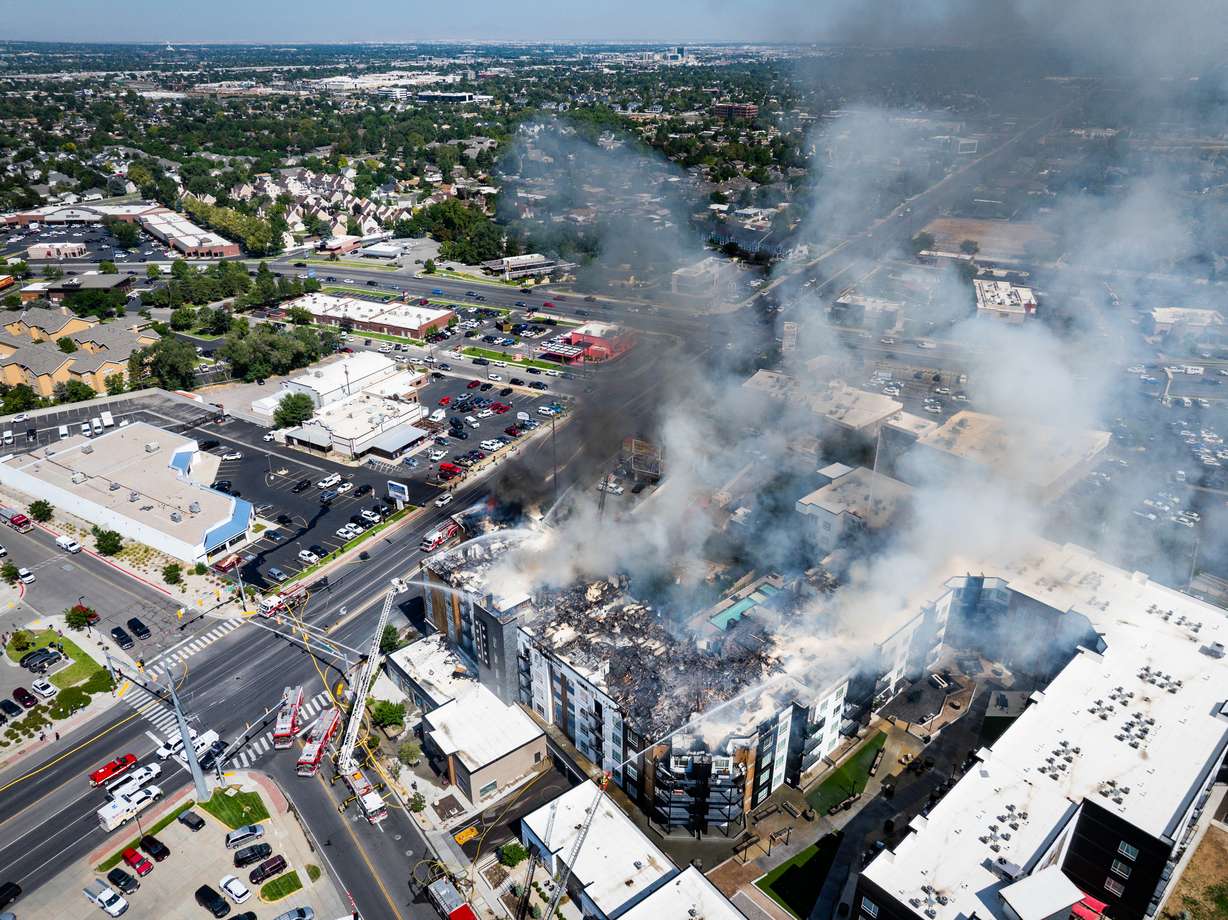
An example of a lithium battery inside of a portable speaker that burst into flames. (Mike Anderson/KSL TV)
(Mike Anderson/KSL TV)
SALT LAKE CITY — With the start of National Fire Prevention Week, Utah’s State Fire Marshal’s Office is putting out a warning regarding the potential dangers of lithium-ion batteries, citing a recent uptick in fires caused by them.
“They’re in more products, more and more of our tools and our playthings,” said Andrew McCormick, public education coordinator for the State Fire Marshal’s Office. “Some of the issues we’re seeing are from poor storage or overcharging or just sort of typical misuse of products.”

Andrew McCormick, Public Education Coordinator, State Fire Marshal’s Office. (Mike Anderson/KSL TV)
McCormick pointed out that it’s important to only use lithium batteries that have been properly safety-certified and are labeled as such. He said it’s also important to use the correct chargers for electronic devices and to avoid leaving large devices like e-bikes and scooters plugged in for long periods of time while unattended.
“The number one thing is (t0) follow the manufacturer’s rules for charging and use of the product,” McCormick said. “We don’t want overcharging or getting in there and trying to up-charge devices and make them run more powerfully or longer. Just stick with what’s on the box.”
McCormick also warned that battery fires are likely in areas like garages that don’t have smoke alarms and that may contain other flammable materials. He said the battery cells themselves can burn very hot and fast.
“It’s called thermal overrun,” McCormick explained. “It’s a chemical reaction inside the battery that when each little cell finds the other cell with that fire, it just escalates and sort of exponentially gets hotter faster.”
McCormick added that it’s also important to dispose of lithium-ion batteries properly, as they can also start fires at landfills.
General information on lithium-ion dangers and resources for disposal can be found here. Call2Recycle also has a searchable list of free drop-off bin locations.
Related: Lithium-ion batteries likely caused two recent fires