First rabies case of 2026 confirmed in Washington County bat
Apr 28, 2026, 3:49 PM | Updated: 3:57 pm

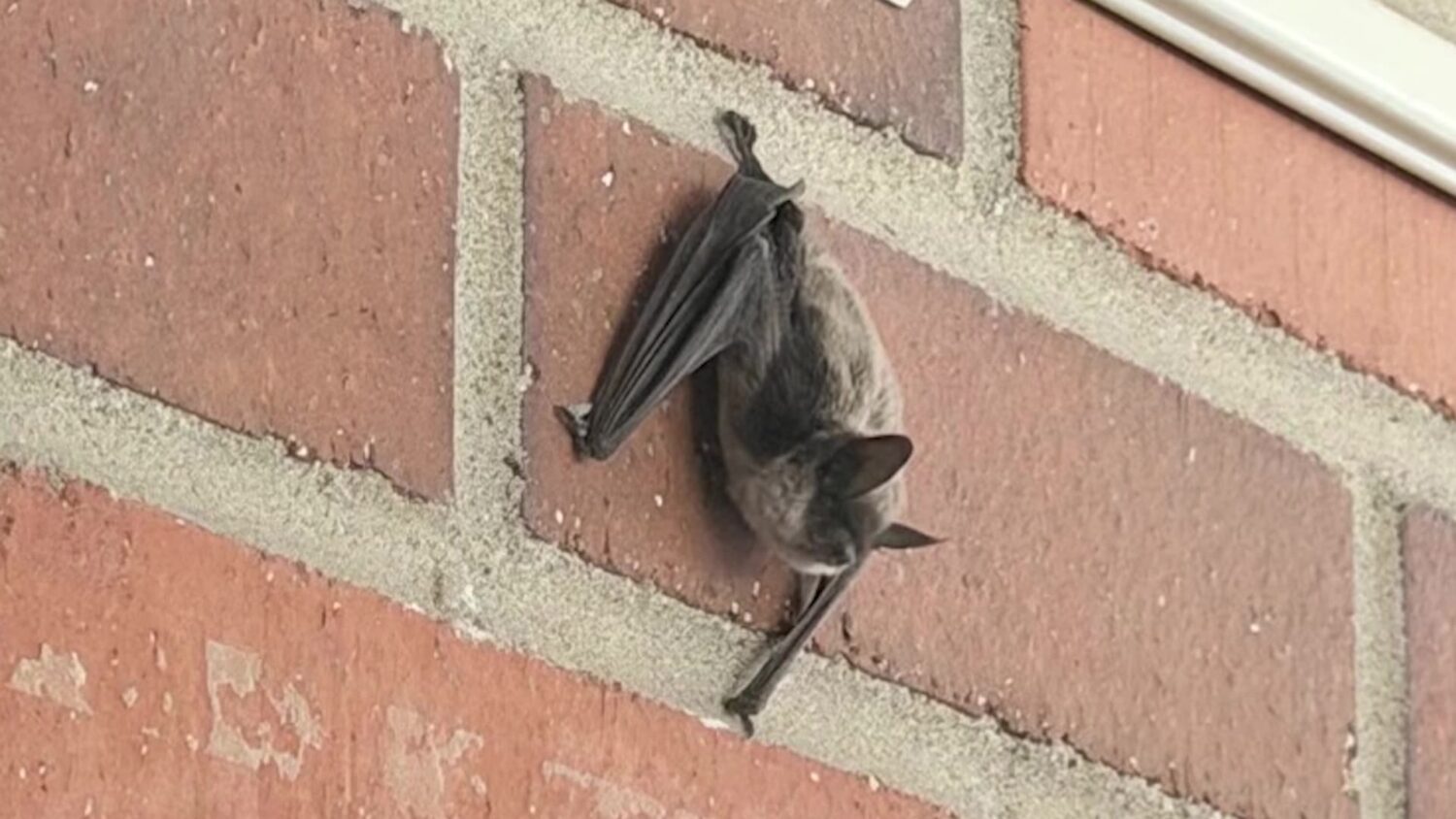
It's important to know what to do when you come in contact with bats, officials say, as they could carry rabies. (Sam Penrod, Deseret News)
(Sam Penrod, Deseret News)

SALT LAKE CITY — The Southwest Utah Public Health Department confirmed Tuesday that it had found a bat in Washington County that tested positive for rabies.
According to the department, this bat was the first rabid bat identified in Utah in 2026. The department also said bats were the primary carrier of the rabies virus in Utah. Other animals that may carry the virus include racoons, foxes and skunks.
“Rabies becomes fatal once symptoms start,” said Adrianna Vidal, an epidemiologist at the Southwest Utah Public Health Department. “But getting a rabies vaccine early enough can save your life. That’s why it’s so important to get immediate medical care if you think you might have been bitten or scratched by a rabid animal.”
Utah residents and visitors are reminded to avoid contacts with bats or any other wildlife, as the virus can be passed to humans from any infected animal. Those who have had physical contact with a bat or have woken up with a bat in their room should assume they have been bitten.

It’s important to know what to do when you come in contact with bats, officials say, as they could carry rabies. (Getty images)
As Utah law requires, all pet dogs, cats and ferrets need to be immunized against rabies. The most common way for humans to become infected is by interacting with wild animals they may encounter.
To best prevent rabies infection, the Southwest Utah Public Health Department encouraged individuals to:
- Keep their distance from wild animals
- Never handle wild animals with bare hands
- Make sure pets are up to date on their vaccinations
- Call Animal Control officials to report stray or wild animals that are acting strangely.
If a person has been bitten, they should immediately wash the wound with soap and water and seek medical care. If reasonably possible without causing additional injury, the department suggests attempting to contain or capture the animal so it can be tested to determine if the person needs the rabies vaccine.
Read more: An Ogden bat tested positive for rabies. Here’s what you should do