How are research funding cuts impacting the University of Utah?
Apr 5, 2025, 6:00 AM | Updated: Sep 18, 2025, 2:52 pm
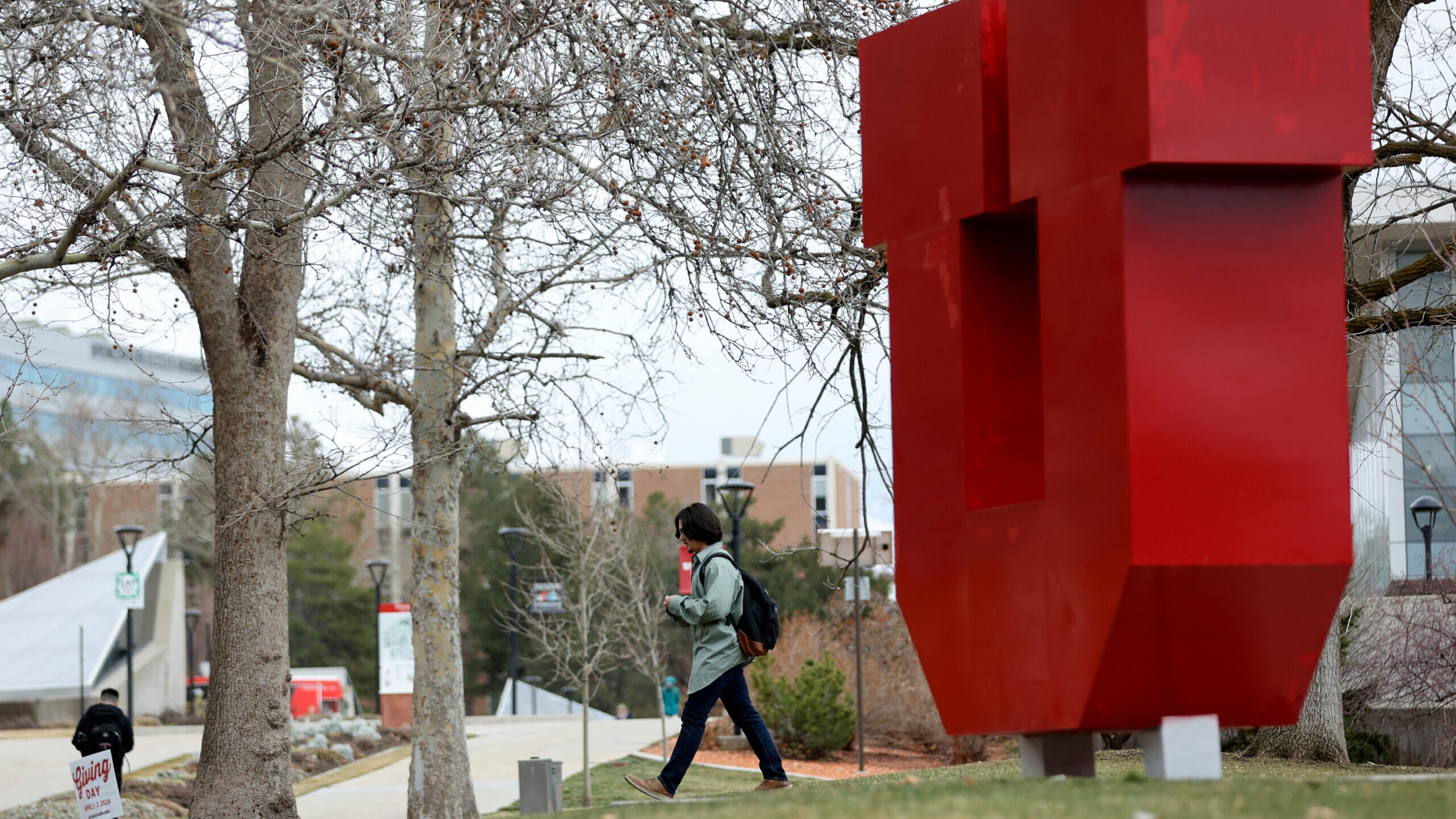
People walk through the University of Utah campus in Salt Lake City on Wednesday, March 13, 2024. (Kristin Murphy/Deseret News)
(Kristin Murphy/Deseret News)

SALT LAKE CITY — The University of Utah is just one of the universities that were impacted by the Trump administration’s cuts to research funding, which raised some important questions: What’s going away? What’s going to stay? What will happen to existing research?
But also, how is the university managing with the funding cuts?
Julie Kiefer, spokesperson for research at University of Utah Health, joined KSL NewsRadio to share some updates.
Kiefer explained that the federal government has awarded grants, typically available for anywhere between four and seven years, to researchers at the U.
The reason why the cuts have a heavy impact is because that means the grants have been immediately terminated in the middle of the research period, affecting whether or not those researchers can continue their work.
“Where we are now is there have been at least 10 grants that have been terminated … These are grants, cumulatively, worth tens of millions of dollars, doing research that is meant to benefit people in our state and people across our country, especially people in areas that it’s more difficult for them to access health care,” Kiefer said.
Keeping morale up amid funding cuts
Kiefer described this experience as “very unsettling,” partly because of the uncertainty it has led to across the university and research community.
She said people should remember that these researchers are fellow Utahns who want to help people, not just in Utah but also in the rest of the country.
“They’re doing the work for all the right reasons. And, all of a sudden, they’re being told that that, ‘I’m sorry, you can’t continue this work’ or, at least, ‘We’re not funding this work for you anymore.'”
“We were very fortunate”
One of the grants that got cut at the U ended up getting restored, and Kiefer said she was grateful that it could continue.
“That was a $38 million, seven-year grant, and this was really important work because that grant, in particular, is kind of an infrastructure grant that supports a lot of other research projects across the university and actually across the region. And so, for example, they were involved in supporting … 550 clinical trials last year that reached 7,000 people across the Mountain West region. So, really fundamental work.”
Kiefer said this was thanks to the help of the leaders at the university, the researchers, and other people involved in the work, who were able to clarify the importance of their research.
Who’s at most risk of further funding cuts?
“It seems like some of the cuts are centered around research that is meant to benefit communities or groups that have maybe more difficulty accessing health and healthcare than other groups,” Kiefer said.
For example, some research programs at the U focus on lowering the death rate of mothers and babies during and after pregnancy.
“And that means, in particular, going out to those communities that are at highest risk—and that’s our rural communities, Native American communities—and providing them the specific support and care they need to get through that critical time so that they can make it through their pregnancy in a healthy way. So that’s one example of the type of programs we think are at risk. ”
Read more:
- Weber State freezes tuition and fees for associate degrees
- USU working to combat veterinarian shortage with new veterinary program
- Tuition set to rise at Utah’s public universities and colleges