After record-breaking heat, doctors warn Utahns to watch for signs of heat illness
Jul 14, 2026, 9:53 AM
SALT LAKE CITY — Salt Lake City reached a heat record on Sunday, hitting 109 degrees. Now, doctors are reminding Utahns to stay alert as high temperatures continue.
KSL checked with local healthcare providers to see what emergency departments are seeing in the wake of the record-breaking heat. Some providers reported no unusual increase in patient volume, while others are seeing patients with heat-related illnesses, including dehydration and heat exhaustion.
Other reading: What went wrong in Yellowstone bison attack? Utah wildlife expert explains
Dr. TJ Hartridge, an emergency and wilderness medicine physician at the University of Utah Health, said emergency departments can see an increase in patients with heat-related symptoms when temperatures climb.
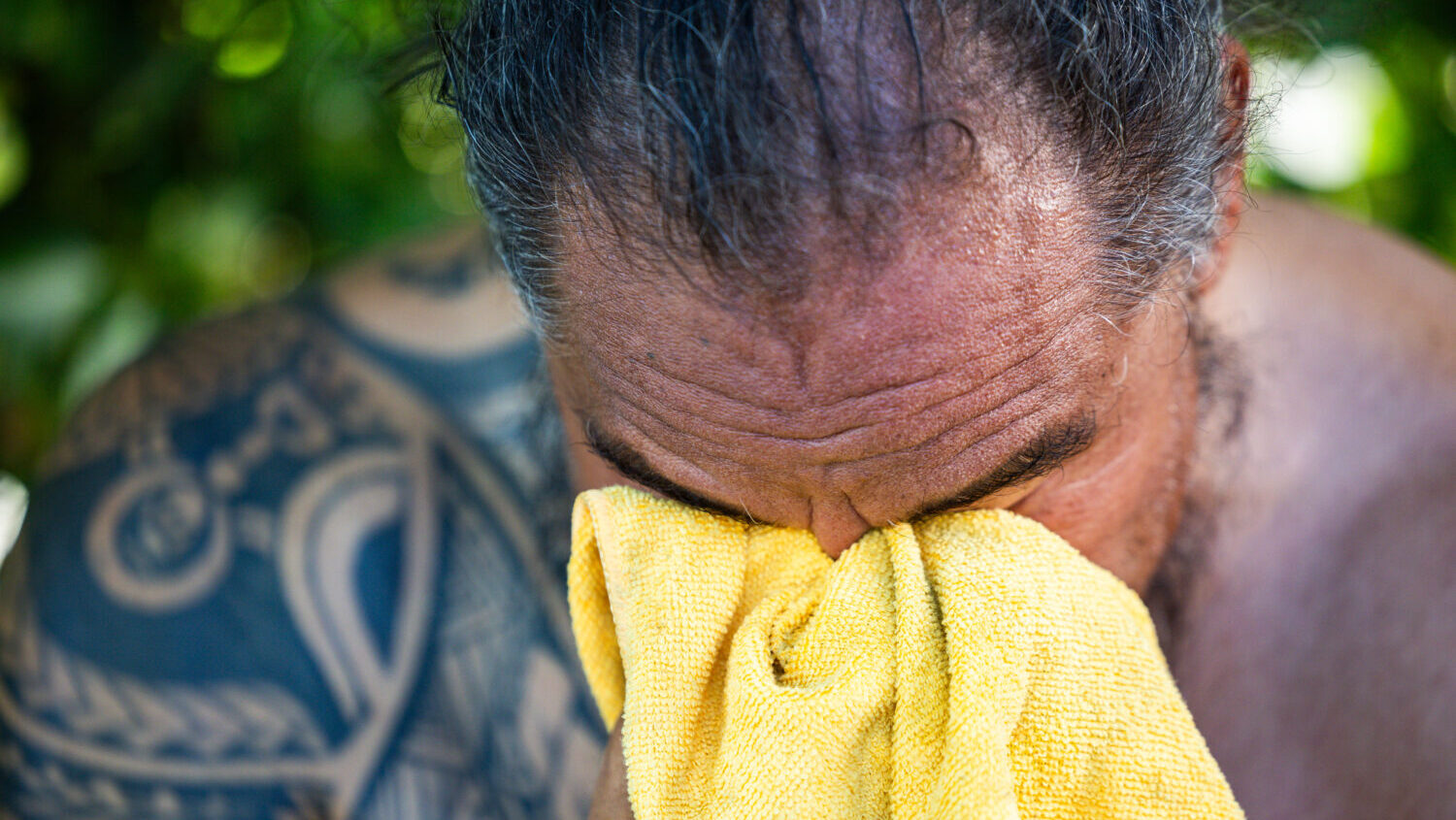
Hedley Fifita rubs his face with a towel while sitting in his front yard in the Fairpark neighborhood in Salt Lake City on Saturday, July 11, 2026. Doctors are reminding Utahns to stay alert as high temperatures continue. (Tess Crowley, Deseret News)
“There were a couple people coming in with dehydration, mildly elevated core temperatures, feeling weak, concerned about their electrolyte status and things like that,” he said. “So, we can definitely see an uptick.”
Hartridge emphasized that recognizing warning signs early is key to preventing heat-related illness from becoming a life-threatening emergency.
“These heat injuries are on a spectrum. Anything from mild heat cramps, heat syncope, to heat stroke,” he said. “Recognize the warning signs really early. If you’re under heat stress, that can progress to more serious illness, like heat stroke. And if there’s any confusion, that’s a true emergency, and you need to act fast.”
Early signs of heat illness:
- Dizziness and fatigue.
- Intense thirst.
- Nausea and headaches.
- Muscle cramps.
To stay safe as high temperatures continue, health experts recommend drinking “to thirst,” taking frequent breaks from outdoor exposure and checking on vulnerable family members, neighbors or individuals living alone.
Cooling centers are also available for people who need a break from the heat.