Utah mother mourns son killed in West Valley City carbon monoxide case, urges more support for adults with disabilities
Feb 11, 2026, 4:38 PM | Updated: 9:11 pm
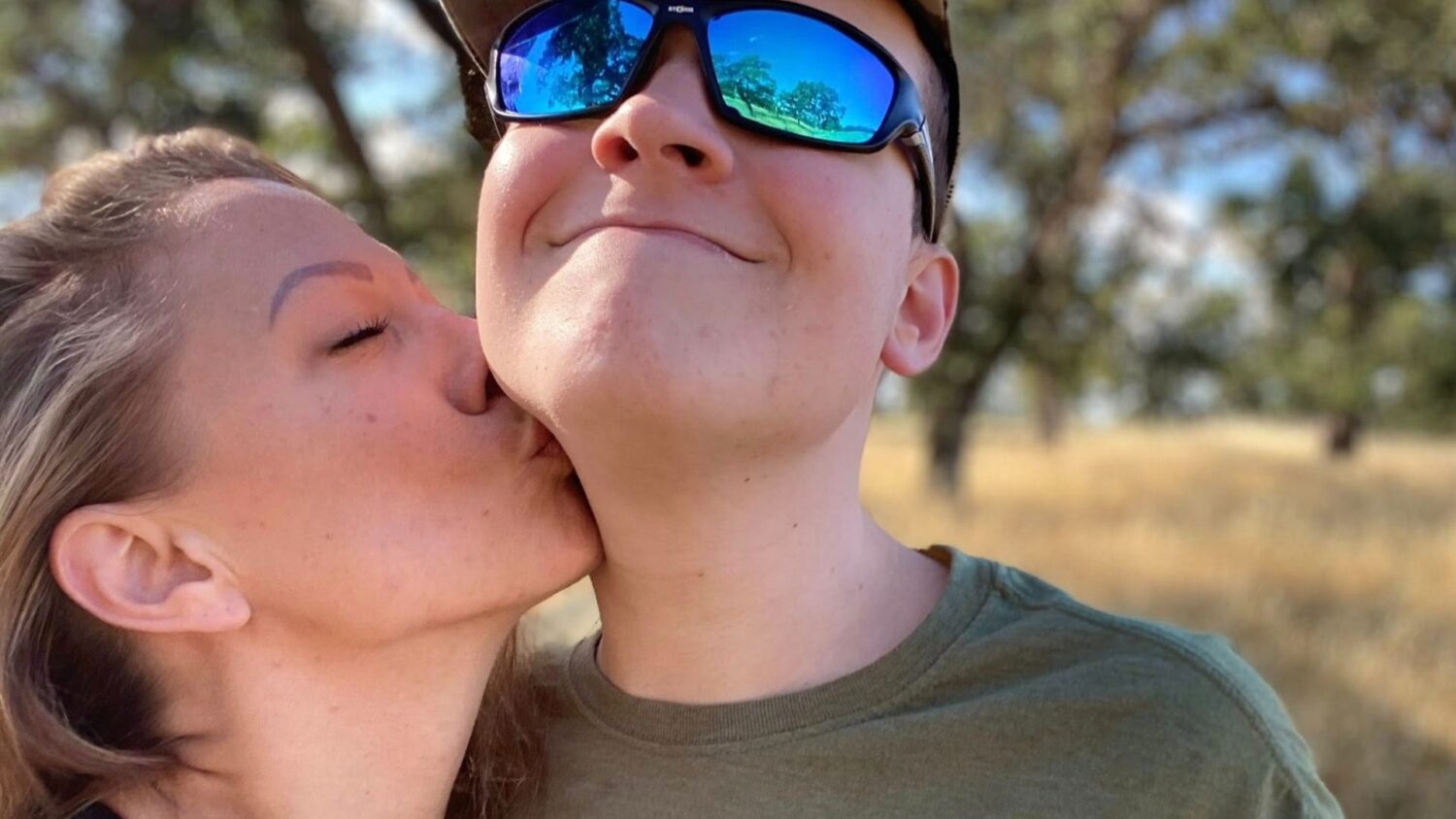
(Photo courtesy: Carrie Hunter via GoFundMe)
(Photo courtesy: Carrie Hunter via GoFundMe)
WEST VALLEY CITY — The mother of one of three disabled adults who died in what police said was a carbon monoxide poisoning case in West Valley City said she hopes her son’s death brings new attention to the safety and dignity of adults with profound disabilities.
Colton Moser, 25, was one of three men found dead after investigators said they were left inside a running vehicle in a garage. West Valley City police have said the deaths appear to be accidental carbon monoxide poisoning.
In an interview with KSL NewsRadio, Colton’s mother, Wendy Rollins, described her son as nonverbal and diagnosed with severe autism, along with other complex medical needs — but said those diagnoses never defined who he was.
“Colton kind of broke that labeling with autism,” Rollins said. “He had fantastic eye contact. He had big, bright green eyes and a huge, wide smile.”
Rollins said Colton was known in their family as “Colty Pie,” and that he was full of humor and joy.
“We always called it his dying squirrel sound,” she said, describing the squeal he would make when he was happy.
She said Colton loved the outdoors and spent time hiking in the mountains. He was also an exceptionally strong swimmer.
“He would tread water like a little fish for hours,” she said.
Rollins said Colton also grew up surrounded by his older brother’s friends — a group she called “Sandlot friends” — who learned from him that “being different is actually pretty beautiful.”
“He was definitely the hardest thing I’ve ever done,” she said. “And also the best thing that’s ever happened to me.”
Placement challenges for adults with complex needs
Rollins said Colton lived at home with their family for years, but as he got older, his behaviors became more aggressive and he began communicating — in his own way — that he wanted independence and space.
She said the family eventually felt they had no choice but to place him in outside care.
“It got really, really challenging and essentially became no choice that we had to place him, which was a very devastating process,” she said.
Rollins said finding safe, quality programs for adults with severe disabilities — especially males with aggressive behaviors — is a major challenge for families, not only in Utah, but across the country.
“For more severe males with disabilities that have aggression, there are no good programs,” Rollins said. “So essentially you filter through them for years trying to find the better of the bad ones.”
She said the broader system is often not equipped to handle the level of support adults with complex disabilities need — and families are left in crisis.
Rollins said she has seen situations where people were placed in psychiatric facilities and later faced the possibility of being released with nowhere to go.
“Their only option was potentially releasing him to like a homeless shelter,” she said.
‘Wait for facts’ before justice questions
Rollins said her family believes negligence played a role in Colton’s death, but she emphasized she is waiting for facts to be released publicly by prosecutors before speaking further about accountability.
“What I think the public needs to wait on are facts,” she said. “And that’s definitely coming soon from the DA.”
She said once those facts are confirmed, her family will be able to process what justice should look like.
“Once I have facts, then I can process what justice looks like, what mercy looks like, what the truth actually is,” she said.
If the facts confirm what her family believes happened, Rollins said she hopes accountability is swift.
She said people with profound disabilities are among the most vulnerable Utahns — and depend completely on caregivers for safety.
“These were three individuals that were fully dependent on somebody protecting them,” Rollins said. “They had no voice.”
Family support and faith
Rollins said she has leaned heavily on family support in the days since Colton’s death.
She said her sisters flew in immediately, and Colton’s older brother, Garrett, dropped everything to return home and be with her.
Rollins said she was out of state when she got the news — traveling to Michigan to see her granddaughter — and said her family surrounded her as she returned to Utah.
She also said her faith has been a source of peace.
“Above everything going on right now, legally, I know that Colton is with God and that he’s whole and that he’s in a better place,” she said.
‘Colton has a voice now’
Rollins said she hopes her son’s legacy is not only remembered by the people who loved him, but also becomes a turning point for how Utah supports adults with profound disabilities.
“I know that Colton has a voice now,” she said. “I think that if he could say what he would want now, it would be that the public pays more attention to these individuals and doesn’t wait for something catastrophic to happen.”
Rollins said she hopes the public understands that people with profound disabilities have the same value and dignity as anyone else.
“Their quality of life and their dignity and their purpose is just as important as the rest of ours,” she said.
She said she hopes Colton’s story draws attention to the need for better funding, oversight and long-term care options — and that improvements happen before more families experience tragedy.
“I hope that this brings and sheds a little bit of light on a need for some drastic change in a broader way,” Rollins said.
How to help
Rollins has started a GoFundMe* fundraiser to help cover memorial expenses and other costs as the family navigates the aftermath of Colton’s death.
She said she hopes the community continues supporting families of adults with disabilities, not only in this case, but long-term.
“There’s a huge community,” she said. “There’s an actual population of these individuals that need us to be their voice and advocates.”
*KSLNewsRadio does not assure that the money deposited to the account will be applied for the benefit of the persons named as beneficiaries. If you are considering a deposit to the account, you should consult your own advisors and otherwise proceed at your own risk.