Utah representatives propose bill aimed at federally funding search and rescue attempts
Jul 31, 2024, 9:00 PM
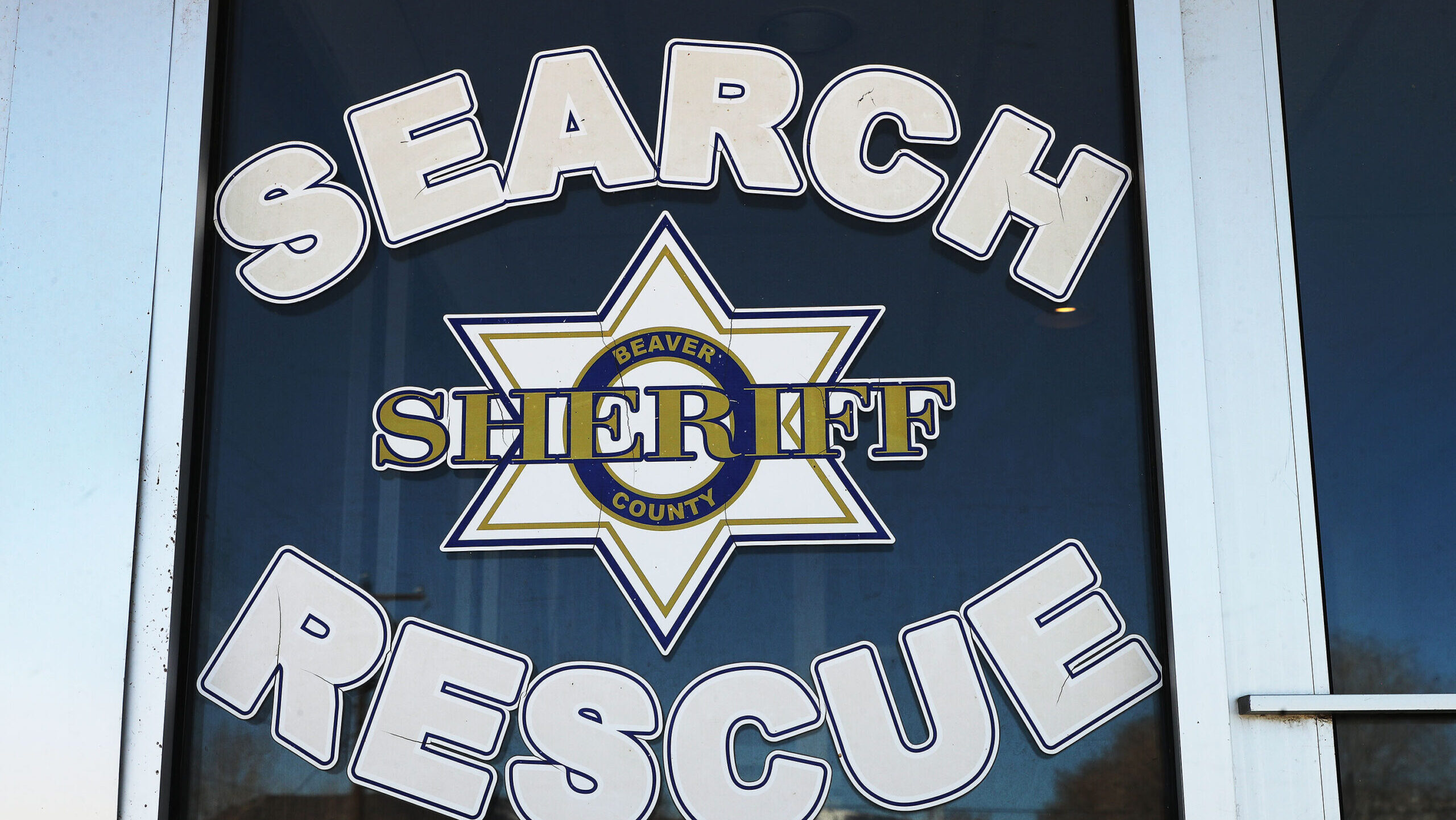
FILE - Beaver County Sheriff's Office search and rescue logo is pictured in Beaver, Utah on Wednesday, March 31, 2021. (Jeffrey D. Allred, Deseret News)
(Jeffrey D. Allred, Deseret News)

WASHINGTON D.C. — Representatives Celeste Maloy and John Curtis are proposing federal legislation that would help rural areas with search and rescue costs.
Local communities shouldn’t have to foot the bill for search and rescues on remote federal lands. My bill will help cover the costs and save lives. #utpol pic.twitter.com/ZFknmRbnBL
— Rep. Celeste Maloy (@RepMaloyUtah) July 31, 2024
Hawaii Democrat Rep. Ed Case also supports this bipartisan bill. It would establish a grant program and specifically fund search and rescue activities conducted on federal land.
“This bill represents a critical step forward in ensuring that our first responders have the necessary resources to keep up with the growing demand for rescue operations on federal lands,” Rep. Curtis said.
Rural areas in Utah have a high amount of remote areas that are deeply under-resourced, a press release says.
“Utah is renowned for its recreation and exploration opportunities… But sometimes people get injured, lost, or stranded in these remote, federal lands… This legislation will help law enforcement bear the costs of critical equipment and resources needed to save lives,” Maloy said.
This bill aims to lighten the load of local sheriffs. Per Utah law, the 29 sheriffs across Utah are “solely responsible for all search and rescue operations in their county,” Washington County Sheriff Nate Brooksby said. His county houses Zion National Park. Brooksby says increased visitorship has led to a 30% increase in search and rescue calls in the last several years.
Over 90% of those calls are on BLM or Forest Service land, he says.
“Purchasing technical rescue equipment such as ATVs, boats, dive gear, radios, and medical supplies places a large financial burden on our local governments. Grants from the federal government would help offset some of those costs.”
— Rep. Celeste Maloy (@RepMaloyUtah) July 31, 2024
Related: Search and rescue pulls hiker from Lisa Falls