Here’s how to care for your bulbs after they’re done flowering
May 24, 2025, 4:11 PM
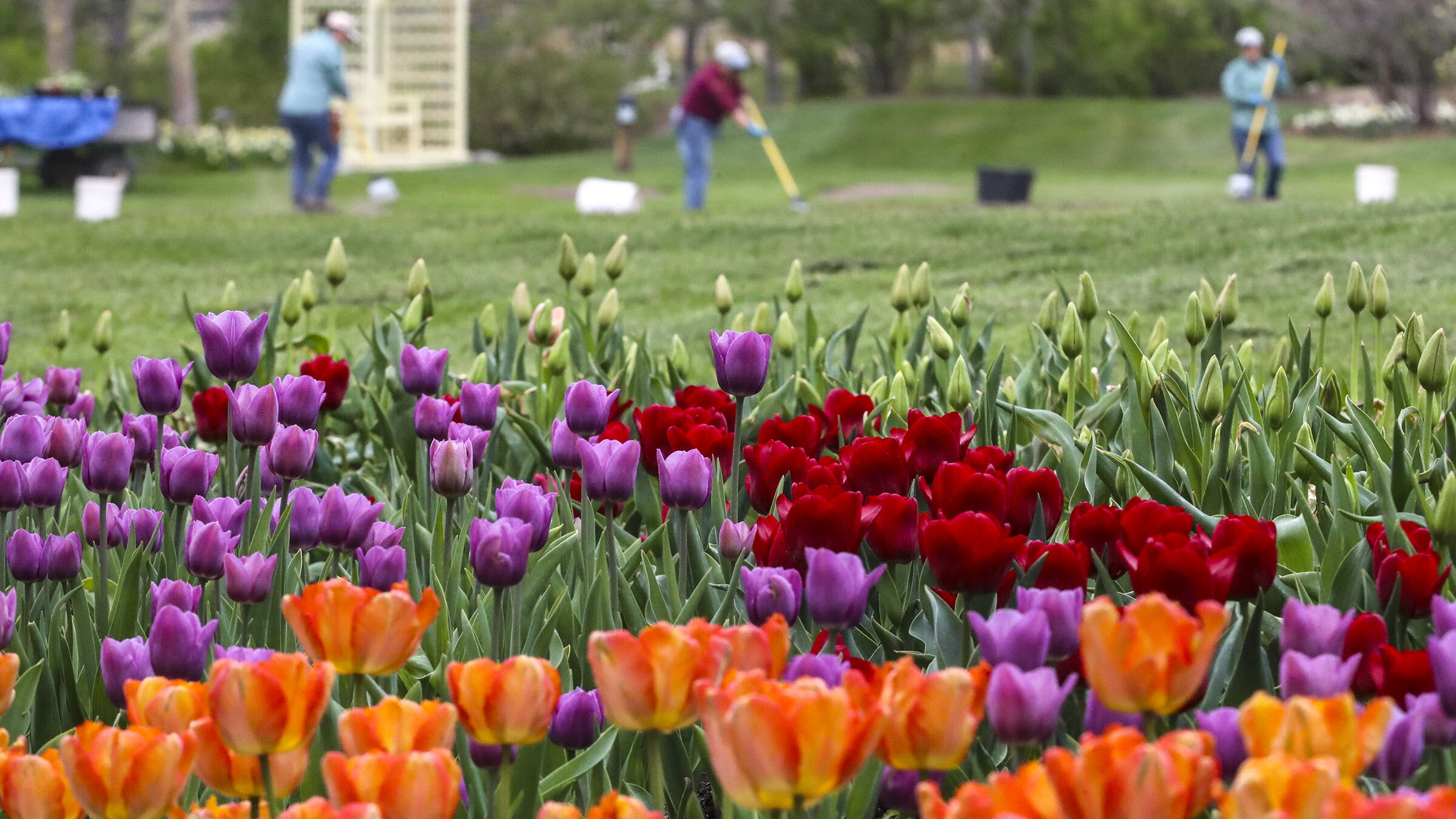
Tulips are pictured in the Ashton Gardens at Thanksgiving Point in Lehi on Thursday, April 30, 2020. (Steve Griffin/Deseret News)
(Steve Griffin/Deseret News)

SALT LAKE CITY — Watching your bulbs start to flower is an exciting time for many this time of year, continuing into the summer. But what do you do when they’re done?
The answer depends on what type of bulbs you’re caring for. So before you go trimming greenery or flowers, here’s what you need to know:
Figure out what you’re working with
KSL Greenhouse Host Taun Beddes said big hybrid tulips only last a maximum of three years, generally only one or two — many people choose to cut them back or even remove them entirely after a season to make way for next year’s flowers, and that’s fine.
But if you have heartier bulbs, like species tulips, daffodils or hyacinths that you want to keep around, think twice before breaking out the trimmers.
“You need to just clip the dead flower heads back and let them grow until the foliage starts to turn yellow on its own,” Beddes said.
That’s because the foliage is where the plant gets its nutrients. Cutting it back early will stunt the plant’s growth and hurt its chances of coming back next season.
“In essence, they’re solar panels that drives everything that happens in the planet including energy storage. And you need to leave those if you want them to come back,” Beddes said.
What about fertilizer?
Fertilizer is also be a good idea for bulb health, but Beddes said you shouldn’t use as much as you might think.
“You would use something that’s about 5% nitrogen. If you have 20-0-0 (fertilizer), use it at about a quarter of the recommended rate because a real mild fertilization before they go dormant can really help the flowers for the next year,” Beddes said.
It’s also important to remember you don’t necessarily need bulb-specific fertilizer.
Planting around your bulbs
Well, lets face it: Tulips with their head chopped off don’t look great. But if you have to keep the foliage in to preserve the bulb, there are some ways to mask those plants while keeping them healthy.
“There are some strategies that you can use to mask them a little bit, like planting cool-season early-spring flowers like pansies,” Beddes said. “And there’s a few others out there, like English daisies that you could do, that will last until we’re in the 90s and the bulbs start to die back.”
You can also use other perennials, so long as they come up at different times than your bulbs.
“If you’re using things like perennial hibiscus or the autumn-blooming upright sedums, both of those would be very friendly to bulbs because by the time the bulbs are growing dormant, those are just barely coming into their own,” Beddes said.
Cat mint or hummingbird mint would also do the trick.