ELECTIONS, POLITICS, & GOVERNMENT
Inside Sources: Utah lawmakers challenge AI moratorium in Trump’s ‘Big, Beautiful Bill’
Jun 10, 2025, 9:33 AM | Updated: Jun 11, 2025, 8:38 am

Rep. Doug Fiefia, R-Herriman, presents a bill during a Senate Health and Human Services Committee meeting held in the East Senate Building of the Capitol in Salt Lake City on Thursday, Feb. 20, 2025. (Isaac Hale/Deseret News)
(Isaac Hale/Deseret News)
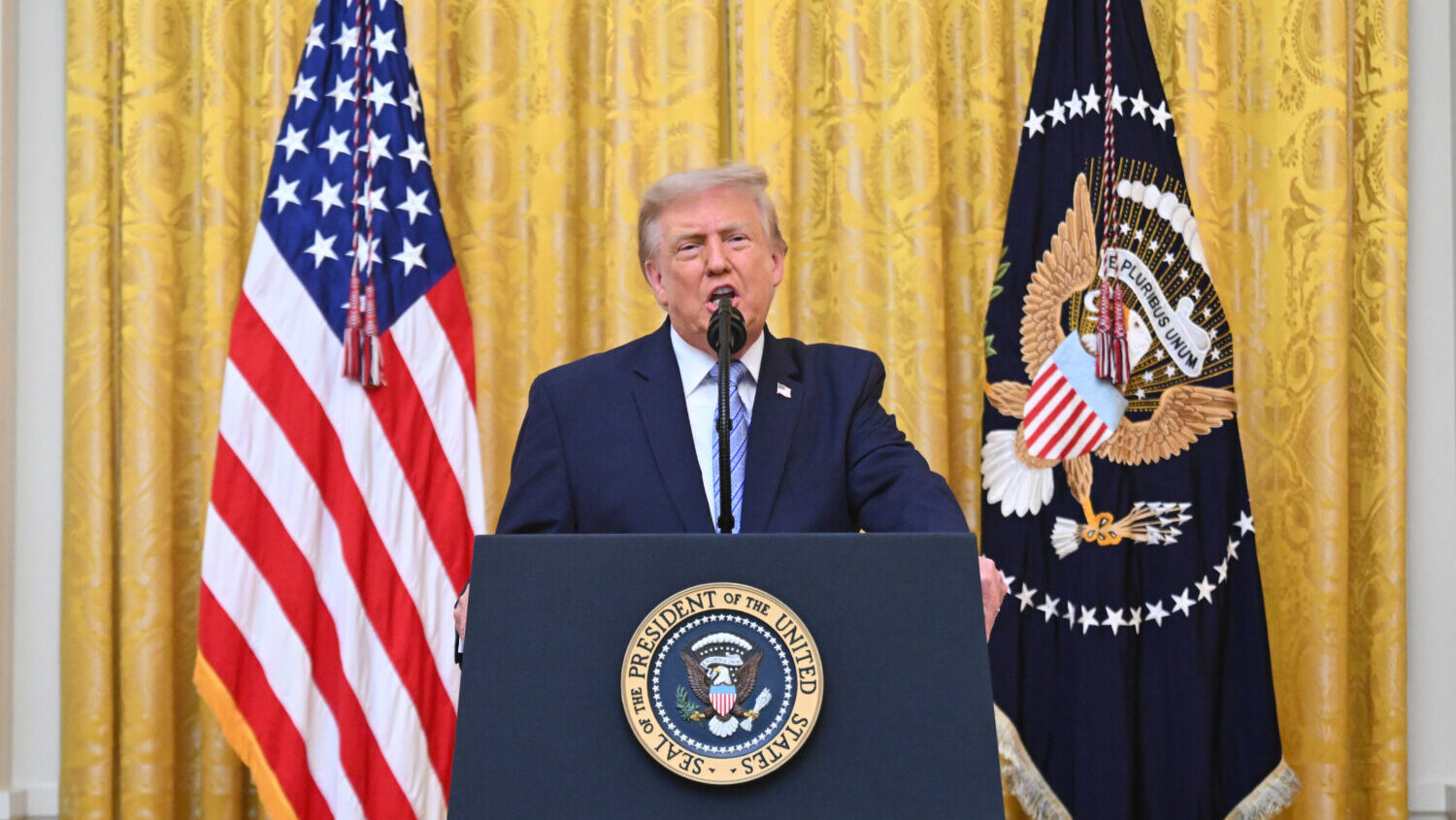
SALT LAKE CITY — Some Utah lawmakers are pushing back on a piece of President Donald Trump’s “Big, Beautiful Bill.”
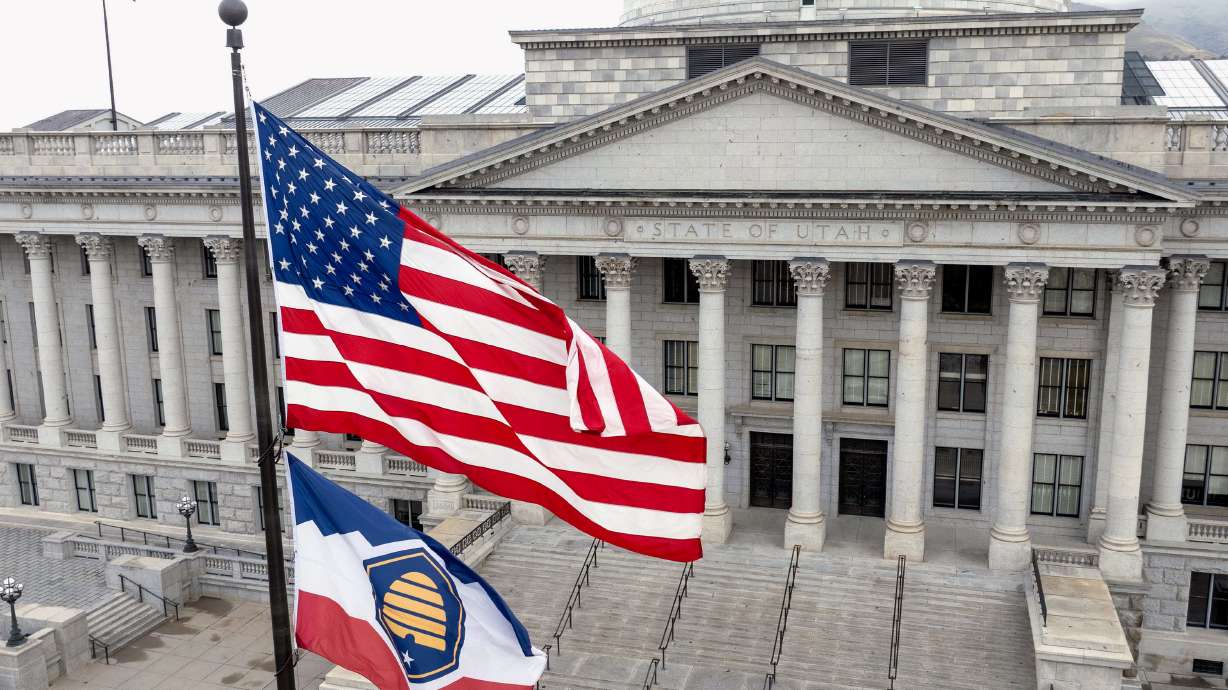
Utah State Legislature members, including leading House Republicans, have voiced their opposition to a specific measure in the bill creating a moratorium on artificial intelligence regulation.
Rep. Doug Fiefia, R-Salt Lake, who was recently appointed Utah’s Cybersecurity Commission spoke with Inside Sources. Fiefa was one of dozens of lawmakers who signed a letter to “express concern with the proposed 10-year moratorium on state-level artificial intelligence regulation included in the “Big Beautiful Bill.”
Listen to the whole conversation on Inside Sources below.
KSL NewsRadio edited this transcript for brevity.
HOST GREG SKORDAS: As the so-called “Big, Beautiful Bill progressed from the House to the Senate, we have a lot of Republicans in the Senate taking a close look at it. And as we’re getting into this closer and closer, Holly, we’re seeing things in there that a lot of us didn’t see or appreciate. One of those is, what they call a 10-year moratorium on state-level artificial intelligence regulation.
HOST HOLLY RICHARDSON: It brings up the the issue that we’ve talked about before in the show, and that is the states have been doing a good job, especially Utah, Utah I think, at navigating AI regulation and being able to be nimble and change when new technology comes out and it’s changing really rapidly. We’re we’re lucky today to have on the line with us Rep. Doug Fiefia who has worked in big tech before and now he’s on Utah’s Capitol Hill. He just sent a letter to Senator Mike Lee and Senator John Curtis to talk about some concerns.
REP. DOUG FIEFIA: Democrats, both senators and house members really united in opposing this 10-year moratorium We’ve sent this letter to Congress to remove this provision from this bill and the reason being, is this moratorium would limit state rights. States are laboratories for innovation when it comes to comes to policy.
And so let’s let that process work. Just because we want to move fast, doesn’t it mean we can’t do so without a seatbelt.
RICHARDSON: Why do you think this was even put in the bill in the first place? What were the conversations in DC that said we’re going to have the federal government issue a 10-year moratorium?
FIEFIA: I think the excuse—and I say excuse intentionally—is that we are in an arms race with China and need to win. And I think that’s valid, but we can build out frameworks instead of imposing freezes. These types of moratoria are used more so in the case of emergencies and we aren’t in an emergency. I think there is an ability for us to work through AI and see the advances and and follow Utah’s lead, really. We’ve not only built an AI policy office, an AI innovation lab, but also we built out an actual framework that we are using as legislators and as state leaders to balance out innovation [with the] protection of consumers. That’s what I would recommend to Congress.
SKORDAS: Utah, as I understand it, was the first state in the nation to establish an office of artificial intelligence policy. And you talked about the AI Learning Lab and a framework for regulatory mitigation. What caused us to get ahead of the curve on this and and how is that legislation being being used?
FIEFIA: One, we have a legislature who’s forward thinking. If you look at the last few years, we’ve dealt with data privacy, we’ve dealt with social media issues, and we are now kind of being reactive to the problems that have come through social media. We also have a governor that is also thinking about how we protect kids and families from the harms of social media and big tech. Couple all of that together, and we have legislation like we do … AI is one of the most innovative creations since the Internet, it’s moving at such a fast pace that we need to be able to add protections in and regulations as needed.
RICHARDSON: Is this a regulatory sandbox where people can try different things? I know that Utah has done that before in some other spaces. Is that the idea behind this?
FIEFIA: From my understanding, that’s exactly what it is. It allows you to innovate and create things and just see how it would affect your business or consumers.
SKORDAS: I’m looking at your letter Rep. Feifia. It’s addressed to our two U.S. senators, Mike Lee and John Curtis, dated June 6. Have you had any response yet from the senators or their office, or do you feel like you’ve gotten their attention?
FIEFIA: We’ve talked to our all of our delegation … in both the Senate and the House. It seems like they’re in line. One thing that they’ve appreciated and shared with us is the amount of legislators that are on this list. [It] gives them leverage to say, ‘hey, our state legislature is not okay with this, and we cannot support this.’ And so we are optimistic that this will be pulled out, but it’s something that we have to keep a close eye on because, as you stated earlier, we don’t know how this got in the bill.