Court documents reveal why international students at Utah colleges had their legal statuses revoked
May 1, 2025, 3:53 PM

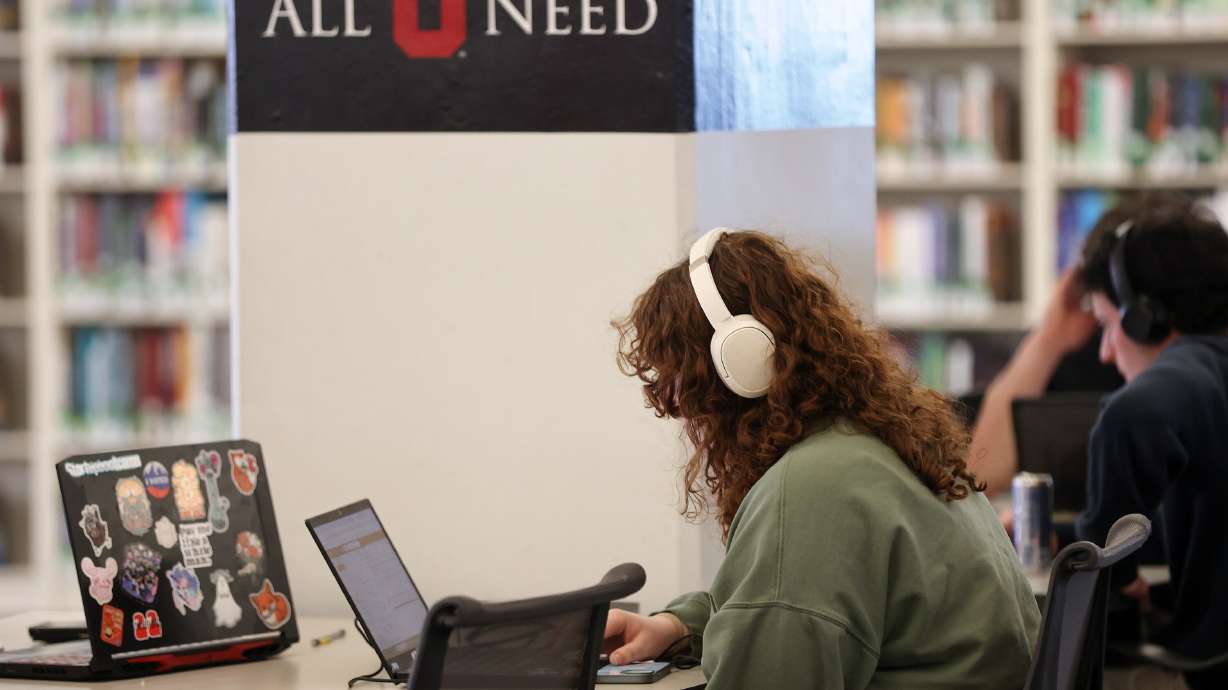
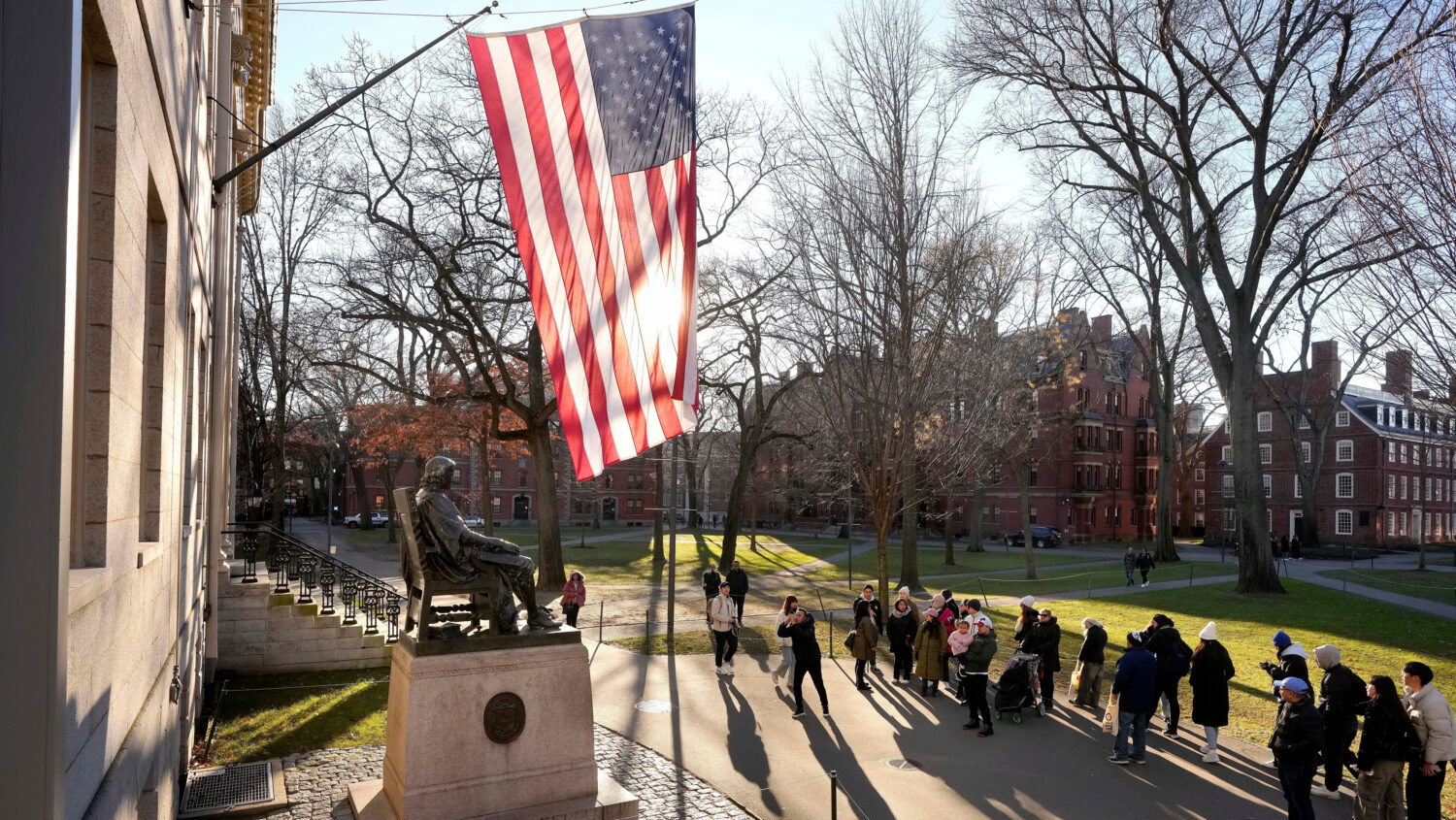
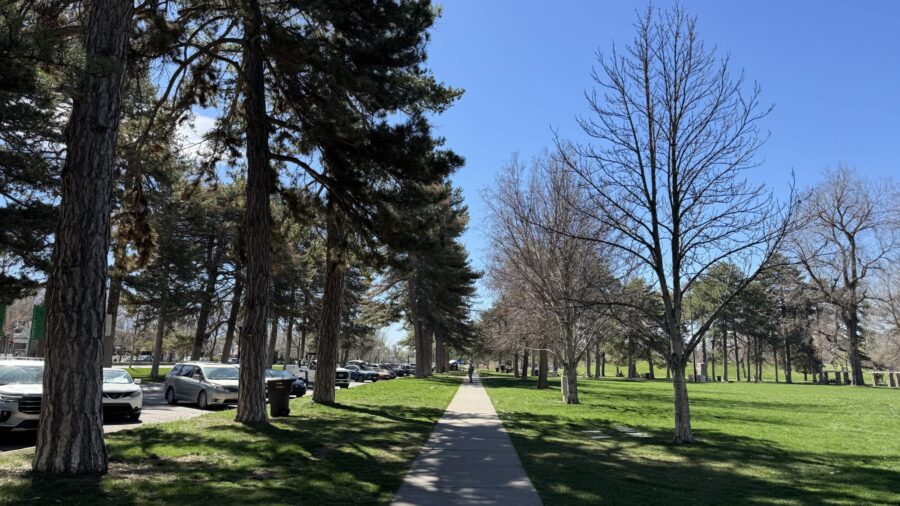
Students walk on campus on Tuesday, April 22, 2025. (Scott G Winterton/Deseret News)
(Scott G Winterton/Deseret News)
SALT LAKE CITY — New court documents reveal why several dozen international college students studying in Utah had their legal statuses revoked without notice last month.
The information was revealed in U.S. District Court in Washington, D.C., on Tuesday by Andre Watson, the assistant director of Homeland Security Investigations under the U.S. Department of Homeland Security.
Watson was questioned about the terminations by a U.S. District Court judge.
KSL NewsRadio obtained a transcript of that court hearing.
As outlined in that transcript, Watson revealed 10 to 2o federal employees were tasked with identifying international students that fell under one of two categories:
- They had fingerprints in the National Crime Information Center database.
- Their visa had expired.
Watson told the court they found about 6,400 international students who fell under at least one of these umbrellas. If they did, they were terminated from SEVIS without notice.
Watson also revealed workers were told to do this after 15 minutes of consideration.
District Court Judge Ana C. Reyes asked Watson, “15 minutes of consideration by people after they hear from State and less than 24 hours of consideration by State, thousands of people get terminated from SEVIS, right?”
“Yes, ma’am,” Watson replied.
Local reaction
“I’ve never seen such a blatant disregard for due process ever,” Utah immigration attorney Adam Crayk said.
Crayk noted a couple of things about the federal government’s strategy for SEVIS termination. He said that when a student’s fingerprints are in the NCIC database, it is possible they were arrested or accused of a crime, but that doesn’t guarantee they were ever found guilty and doesn’t reflect whether charges were dropped.
In fact, that system also includes the fingerprints of missing persons.
“And so what only comes out in this transcript is that in the space of 15 minutes, all of those kids’ SEVIS registrations were revoked … It wasn’t a computer glitch. It was just a member of Department of Homeland Security and Department of State deciding that they were just going to do this without any individualized review,” Crayk said.
Crayk also noted that an international student doesn’t need a visa to study and live in the U.S. legally. A visa allows a student to enter the U.S. legally, but it’s not required to stay.
Most students can stay in the U.S. for the duration of their studies through a valid I-94, even if their visa expires.
Crayk said some students never renew their visas because they don’t travel internationally. But, they can renew it if they choose.
This was the case for BYU PhD student Suguru Onda, who made local and national headlines when his SEVIS was revoked without notice, even though he had no criminal history.
Crayk told KSL NewsRadio that Onda’s visa had expired, but he was still studying here legally on a valid I-94.
Onda and several other international students in Utah have since had their SEVIS statuses restored.
KSL NewsRadio reached out to the DHS/ICE Immigration Field Office in Salt Lake City for comment, but has not received a response.
Adam Small is a reporter for KSL NewsRadio. He primarily reports on the Great Salt Lake and Natural Resources. Follow him on Facebook and X.