ELECTIONS, POLITICS, & GOVERNMENT
‘They lost sight of the importance of the information:’ FBI agent discusses Signal leak and security concerns
Mar 25, 2025, 12:53 PM | Updated: 3:54 pm
SALT LAKE CITY — On Monday, news broke that President Donald Trump’s intelligence officials mistakenly disclosed airstrike plans to a journalist via the Signal app.
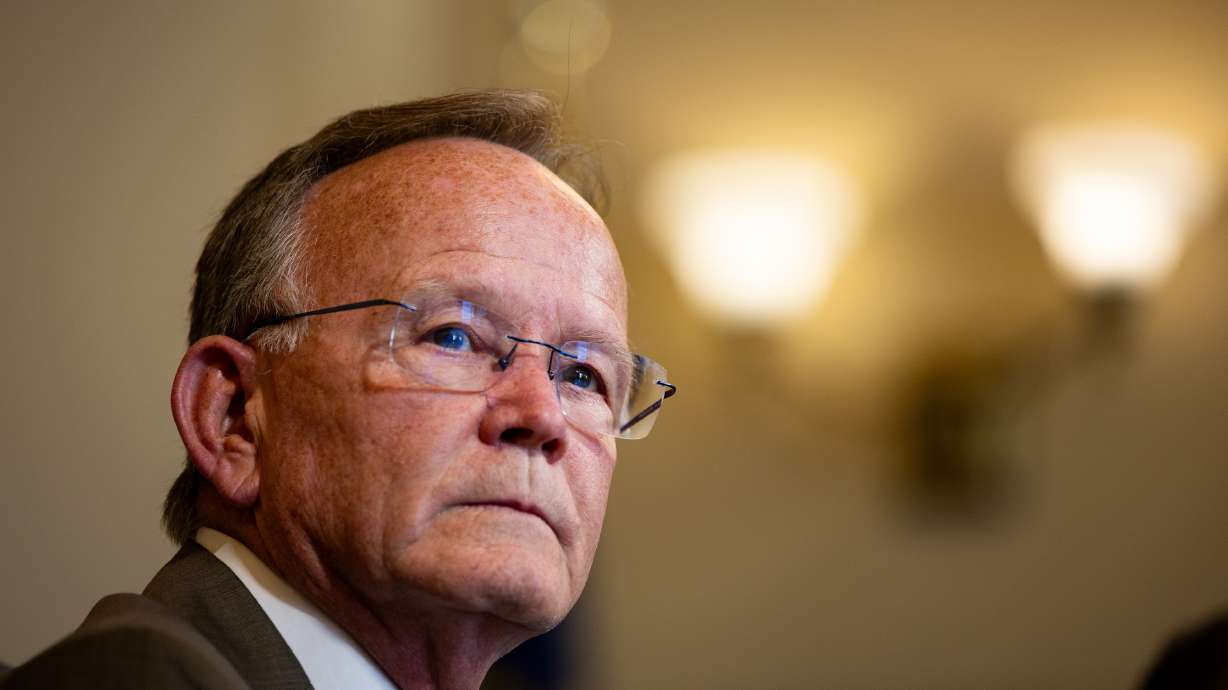
Dave & Dujanovic invited former FBI Supervisory Special Agent Karl Schmae to discuss what many are calling a massive breach and risk to national security.
Below is a partial transcript of this interview as well as the full podcast.
KSL NewsRadio edited the following transcript for brevity and clarity.
HOST DEBBIE DUJANOVIC: Karl Schmae, you worked on some of the most top-secret cases in the FBI. What is your initial reaction to top military or top intelligence officials in the United States inadvertently leaking war plans to a reporter?
KARL SCHMAE: I was totally shocked. This is sloppy. Sloppy is probably the nicest word we can use. I mean, this was a major screw up. And … these guys are all high-level guys, many of them with military or intelligence background and they know better.
There’s a reason why we have all these special procedures for handling classified information and don’t use Signal for classified. It’s okay for average people to use it, but not for our leaders.
HOST DAVE NORIEGA: Why do they use it? Or, why should they not?
SCHMAE: For an average person, let’s say, somebody who’s working for a company and they want to be a whistleblower, using Signal is encrypted, which makes it difficult for people to read those messages. And so that’s fine for someone like that.
But for a U.S. leader to be using Signal, the reason we wouldn’t want them to use it is … cell phones are insecure. We have adversaries that have very sophisticated capabilities to hack into our cell phones where you wouldn’t even know it. That means they can read everything that’s on that cell phone. So, even though maybe the Signal message is secure in transit, once it’s hit that cell phone, if it’s compromised, they can see everything.
I worked in a SCIF, which is a sensitive compartmentalized information facility, where we handled our top secret information when I was in the FBI. We couldn’t bring cell phones in there, which was inconvenient, but it’s because we knew cell phones were insecure.
DUJANOVIC: They [intelligence officials] are doggone lucky that they added a reporter who didn’t publish the information. I mean, he had the wherewithal and the professionalism not to publish the information he was getting in real time. But also that they didn’t add some random source who you know, could have leaked this information on a military operation that was still several hours out.
SCHMAE: He’s a patriot and he didn’t disclose it because the impact is … they could have leaked that information to the Houthi, which means a couple of things. One, they could have gone into hiding, which means all our strikes would miss. Two, they could prep their air defenses and possibly try to shoot down U.S. aircraft. So, we could have had lives lost and hundreds of millions of dollars wasted on missile shots.
Another reason we use classified systems is you can’t accidentally add in a reporter or somebody who’s uncleared.
NORIEGA: So, the classified systems, they have access to that and they chose not to use them?
SCHMAE: Yes. Those guys, they could have gone into the situation room, which is at the White House, which is obviously a very secure room. They also do have their own secure communication devices … I think they lost sight of the importance of the information that they were conveying.