Do you need reef-safe sunscreen at the lake?
Jul 2, 2024, 10:30 AM

(Canva)
(Canva)

SALT LAKE CITY — Reef-safe sunscreen is often recommended when recreating around oceans. But what about in lakes?
According to the National Park Service, using reef-safe sunscreen near other bodies of water can keep harmful chemicals out of their ecosystems.
The chemicals found in some sunscreens can have harmful impacts on algae growth. Per the National Park Service, algae is an essential part of the food web.
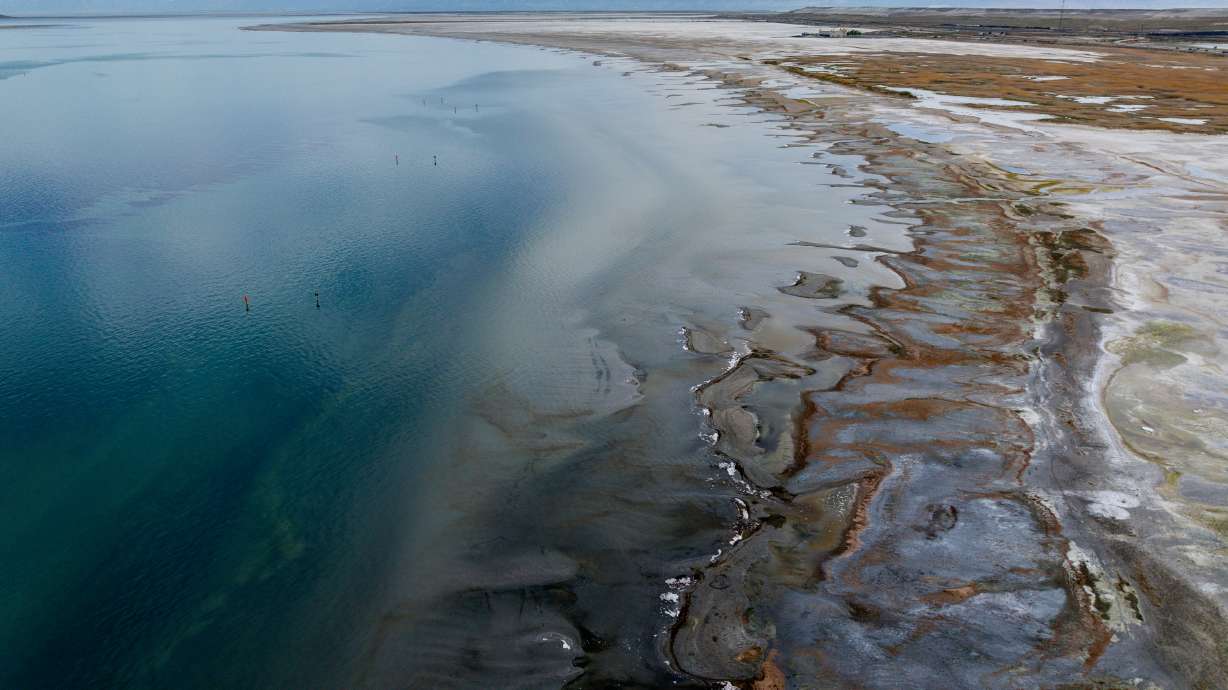
While some algae are bad for lake environments, other species are good, per the Utah Division of Wildlife. For example, phytoplankton in the Great Salt Lake are the primary source of food for the lake’s brine shrimp and fly populations.
Any change in an ecosystem’s food web has the potential to create a ripple effect, impacting more than just the initially impacted organism.
Is every reef-safe sunscreen created equal?
According to the Surfrider Foundation, the terms reef-safe and reef-friendly are not legally regulated. Therefore, packaging labels are not always trustworthy.
While avoiding certain ingredients can help you prevent them from damaging lake ecosystems, it might also be a good call for your health.
Checking the label can ensure that you’re choosing the most reef (and lake) safe sunscreen.
Firstly, the National Park Service said to look for zinc oxide and titanium dioxide. Avoid the following chemicals:
- Oxybenzone
- Octocrylene
- Avobenzone
- Benzophenone-1
- Benzophenone-8
- OD-PABA
- 4-Methylbenzylindene camphor
- 3-Benzylidene camphor
- Homosalate
- Octinoxate
- Octisalate
- Nanoparticles
Surfrider advised sticking to lotions, or the sunscreens that you apply by rubbing into your skin. While they are more convenient, spray-on types make it more likely to inhale titanium dioxide.
The Campaign for Safe Cosmetics said that titanium dioxide is considered a potential carcinogen by the International Agency for Research on Cancer. It is only considered a cancer risk when inhaled.
If you wish to skip or reduce the sunscreen mess, the National Park Service said UV-blocking clothing is another option.
The American Academy of Dermatology recommends lightweight, long-sleeved clothes, sunglasses, hats and shoes that cover your feet. They should be made from dense, dark or bright colored fabrics.
It should be noted that any skin not covered by UV-blocking clothing should still be protected with sunscreen.
Related:
- Don’t skip the sunscreen before heading outside!
- Officials urge practicing heat safety during hot weather