Vegetables suited to a short growing season
Apr 4, 2025, 3:33 PM

Young lettuce plants wait to be planted by U.S. First Lady Michelle Obama and local school children at the White House Kitchen Garden March 16, 2011 in Washington, DC. That was the third planting season of the garden which has been producing fresh fruit and vegetables to feed the Obama family and their guests, and for donating to Miriam's Kitchen, a food shelter in the DC area. (Alex Wong/Getty Images)
(Alex Wong/Getty Images)

SALT LAKE CITY — Do you live in an area that has a short growing season? Good news, there are still plenty of vegetables you can plant that will grow quickly.
A short growing season means you have less than 120 days to grow crops. In other words, there are less than 120 days between the last spring frost and the first fall frost.
According to KSL Greenhouse Host Taun Beddes, Early Girl tomatoes can be a good option. They have a 90- to 100-day growing season.
What if you’re in a tighter time crunch? Beddes suggested digging into the cool season vegetable category.
Cool season vegetable options
Radishes are one example.
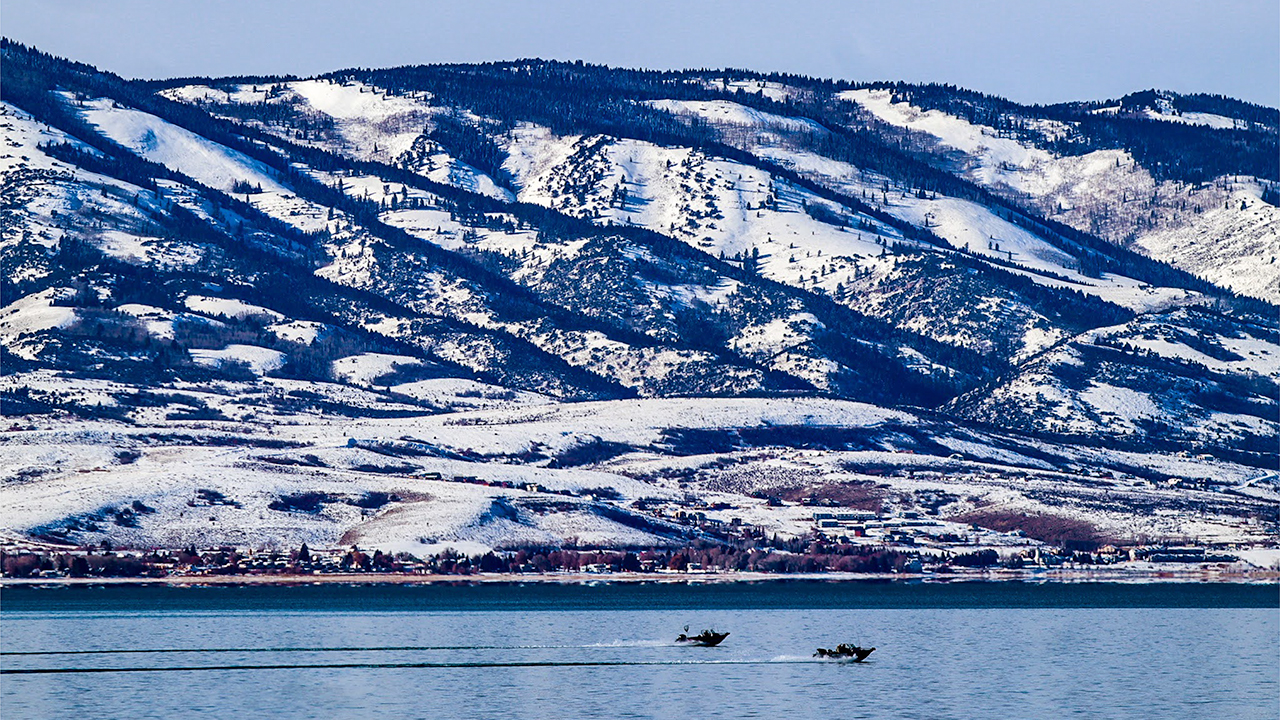
“Up in Bear Lake, you could probably grow radishes [for] most of the season up there, except for maybe July for two or three weeks, because they only have about a 60- to 70-day growing season. And so it stays cooler,” Beddes said.
Lettuce is another vegetable that can be grown in cooler areas with a short growing season.
According to Beddes, some tomato varieties can also develop during a short growing season. However, the fruit will be smaller due to the shorter season.
Short-season tomatoes:
- Farthest North (45 to 50 days)
- Fourth of July (50 days)
- Sub Arctic Beauty (50 days)
- Extreme Bush (50 days)
- Siberia (50 days)
- Glacier (55 days)
- Sub Arctic Plenty (55 to 60 days)
- Dwarf Arctic (60 days)
- Moskvich (60 days)
- Oregon Spring (60 days)
“The tomatoes that you can expect on this list will be anywhere from about a one- to four-ounce sized tomato, and a four-ounce sized tomato will be the size of a small plum. And so your expectations are there for that,” Beddes said.
Beddes added that some—but not all—of the grape and cherry tomatoes can also be grown in a short season.
Achieving a good harvest
“One of the cheapest things is just to go to the hardware store and get UV-resistant black construction grade plastic and make your furrows, and then just stretch the plastic over the furrow. You’re going to need drip irrigation underneath, and then just cover the sides of the plastic with soil and grow crops through the plastic,” Beddes said.
The black plastic absorbs the sun’s heat, helping plants grow faster. This is especially true if the plants are young and close to the plastic.
Beddes said this also helps warm the soil, leading to better root growth.
Another tip for extending the season for a better harvest is setting up walls of water.
“The walls of water are very good earlier but even later. If you have a low tunnel, you can put that back over the plants and get another two or three weeks to extend your gardening season.”
Other short-season vegetables and their growing season
Corn:
- Yukon Chief (55 days)
- Early Sunglow (63 days)
Peppers:
- Chocolate Bell (60 days)
- Pot-a-Peno (45 to 65 days)
- Shishito (60 days)
Green beans:
- Blue Lake Bush (48 days)
- Early Contender (49 days)
Salad greens:
- Lettuce (30 to 45 days)
- Swiss chard (55 days)
- Spinach (24 days)
- Mustard greens (21 days)
Garden peas:
- Little Marvel (62 days)
- Avola (60 days)
Snow/snap peas:
- Sugar Ann (51 days)
Radishes:
- Many cultivars ripen in 30 to 45 days.
Read more from the KSL Greenhouse show:
- KSL Greenhouse Show: Controlling pocket gophers
- Don’t have the space? Try small space gardening
- Dwarf fruit trees may be a good option for smaller yards
KSL Greenhouse is live on Saturdays from 8 a.m. to 11 a.m. Follow the show on Facebook, Instagram, and YouTube. You can also find more gardening info on our linktr.ee.