As water worries grow, experts urge smart irrigation and landscaping
Jul 23, 2025, 3:00 PM | Updated: 7:10 pm
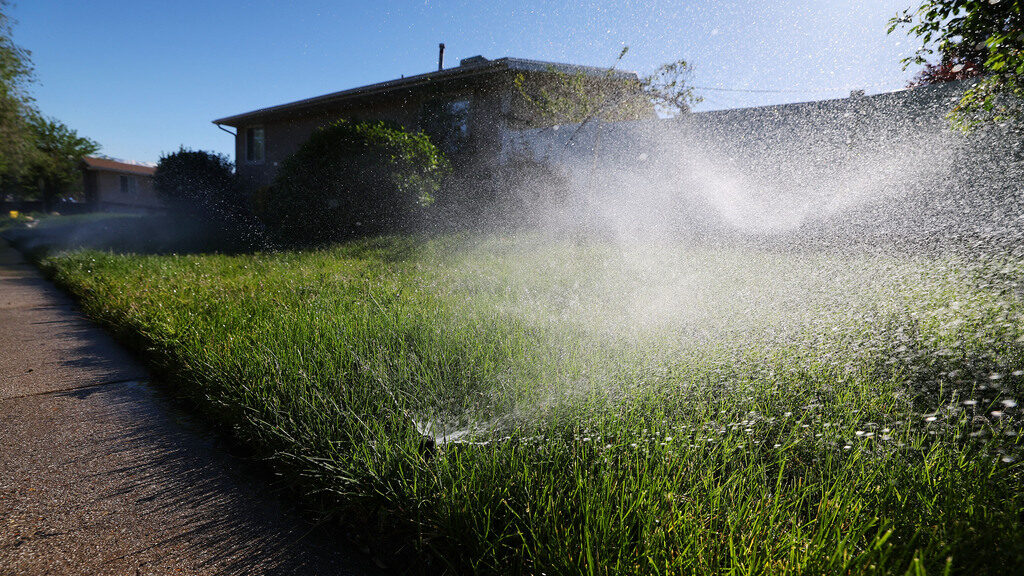
A lawn is watered at a home in Cottonwood Heights on Wednesday, June 1, 2022. A BYU professor and water expert did a study that found half of Utahans in his sample are still watering their lawns too much. His data shows you can have healthy green lawns with much less water. (Jeffrey D. Allred/Deseret News)
(Jeffrey D. Allred/Deseret News)

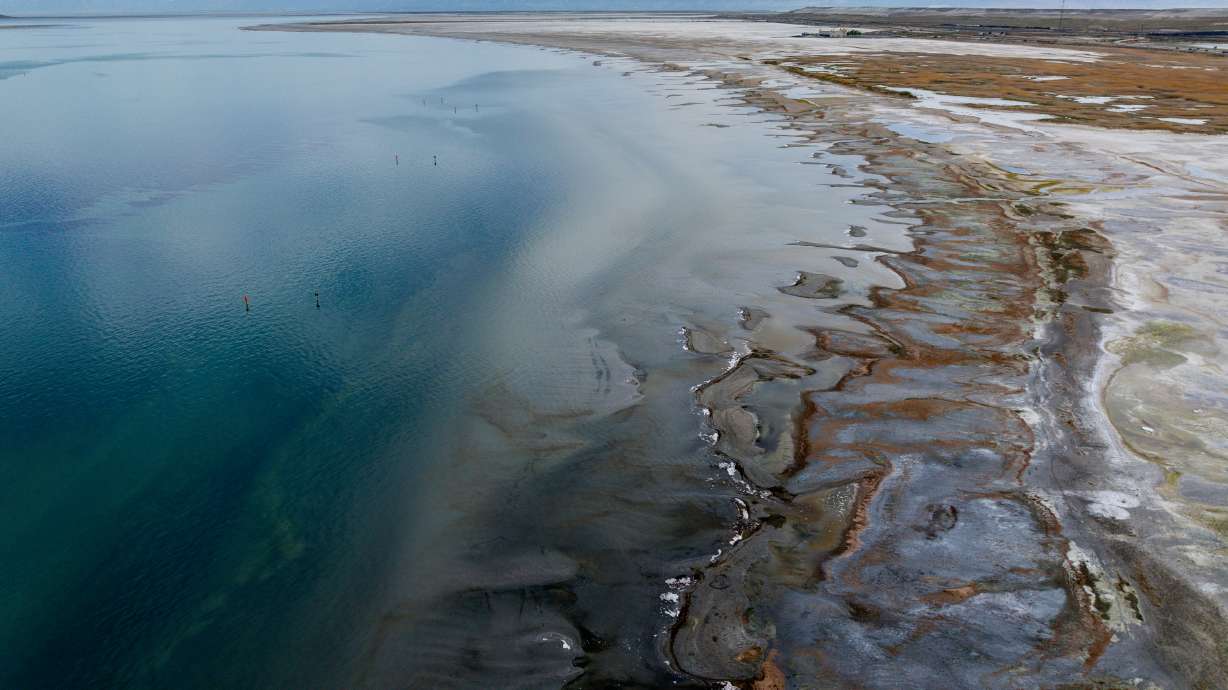
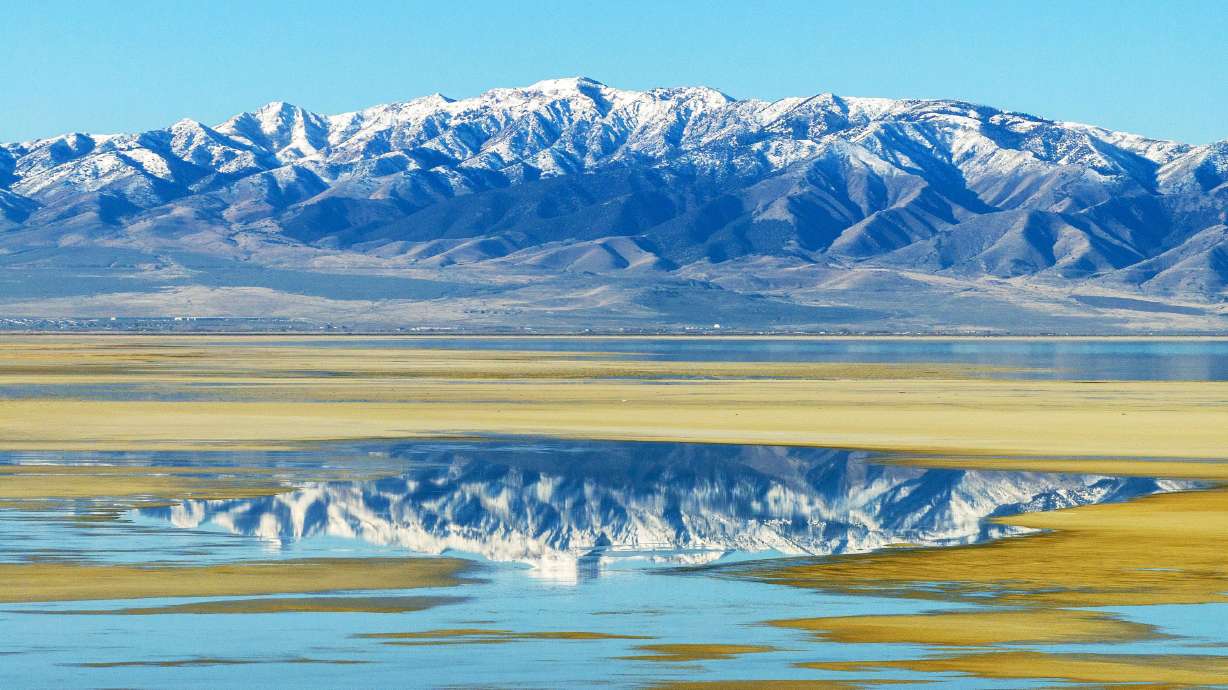
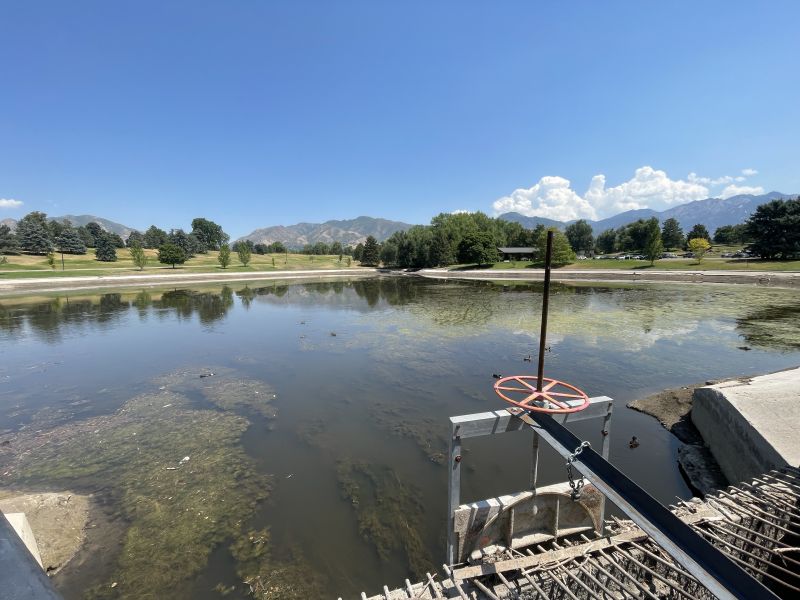
SALT LAKE CITY — In the past month, our reservoirs have decreased by over 10%. Water conservation experts say Utahns can start saving water by looking at their landscaping.
Although Utah is the third driest state in the nation, it uses more water than most. Utah State Water Conservation Specialist Kelly Kopp says if we want to make a difference, our lawns are a good place to start.
“The tendency is to overirrigate, and the tendency is to always think that more water is better, but that’s certainly not the case,” said Kopp. “Our lawns are actually rather sturdy and resilient.”
She said that right now, when the whole state is in drought status, we can reduce our irrigation and know that things will get better in the fall when temperatures cool down. The Utah Department of Natural Resources offers an online tool for anyone to check how much water they actually need.
Smarter landscaping and irrigation
“They provide a weekly guide depending on where you’re located in the state, for how many days per week you might be irrigating or should be irrigating,” says Kopp. “And that’s great because it’s based on local weather conditions.”
Kopp wants people to know that conserving water doesn’t mean eliminating all grass or switching entirely to desert landscaping—lawns still offer benefits.
“They can help retain stormwater so that it doesn’t run off, and then it can infiltrate into the ground,” said Kopp. “And with that water, they can also help to filter some of the nutrients and pollutants that are in that water, and like any plant, they provide oxygen and sequester carbon.”
In addition to watering lawns less, planting grasses that require less water and installing smart irrigation systems can make conservation a one-time decision and reduce water use by up to 50%, Kopp said.
“So that it’s not just turning it on and off with drought,” she said. “It’s just something that we integrate, keep in place, and then move forward.”
According to Kopp, the state, nonprofits and groups like the Conservation Office are working to make conservation a lasting part of Utah’s culture.
Related: Utahns may soon face watering restrictions, water managers say