Unplugging from social media: Moving back to the dumb phone
Oct 5, 2025, 12:55 PM | Updated: 2:05 pm

EDITOR’S NOTE: To listen to this segment live, visit KSL NewsRadio’s live listening page. Otherwise, a podcast version of this segment will be available on this webpage after it airs.
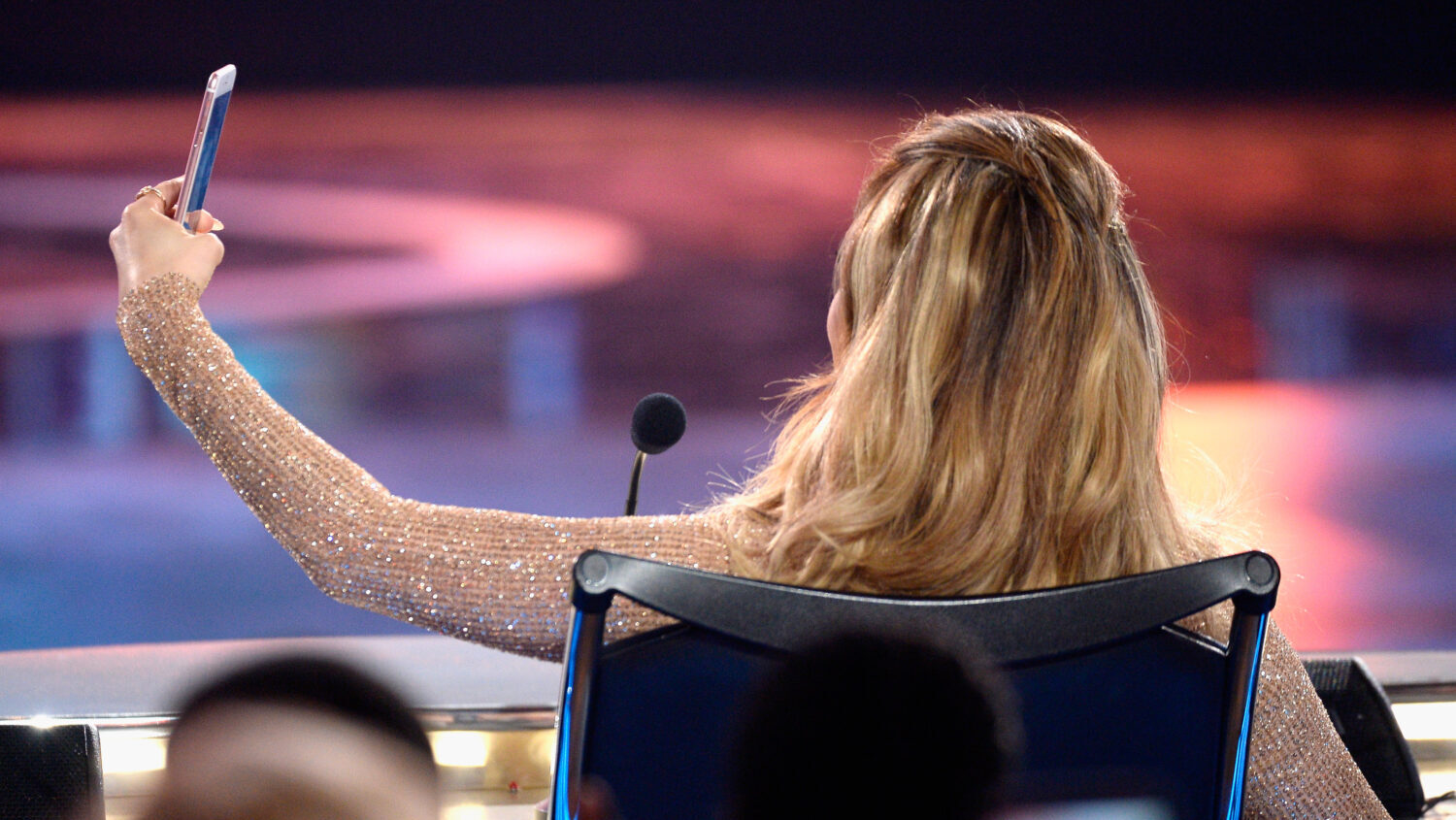
SALT LAKE CITY — A growing number of young people, and even more middle-aged folks, are taking the plunge to unplug from social media. Some are taking small steps like turning off notifications on the weekend. Others are fully committed to living in a world that looks closer to most of the 20th century, adopting what some lovingly call “dumb phones.”
On average, Americans are spending more than five hours a day on their phone. That’s according to a survey from Harmony Healthcare IT. That’s more than a day and a half — every week.
A lot of people are aware of just how much time they’re spending on their phones. They teasingly refer to social media in negative ways. They call it doomscrolling. Bed rotting. A spiral, a hole, information overload.
Dr. Magenta Silberman with Huntsman Mental Health Institute said the impact of social media isn’t all bad.
“There’s a lot of evidence to suggest that social media can be a source of connection and very empowering in that way, particularly for LGBTQ+ youth,” Silberman said. She said social media gives us access to ideas and opportunities you wouldn’t experience in your typical day-to-day life.
But then there are the negative impacts.
Silberman said using over three hours of social media every day can “double your chance of having clinically significant anxiety and depression.”
Related: Teens and social media: navigating the digital landscape
This concern is evident, especially among teens.
“I think 95% of all youth right now report accessing social media every day.”
Life off of social media
Sarah King, 31, is a self-described millennial. She’s been on and off of social media for a while and decided to take the plunge, deleting her social media apps for good in January.
“I think you get very addicted to the likes and knowing that people are looking at it,” she said. “And then I think that as I’ve gotten older, I feel more protective of who my people are anyway, and who knows my stuff.”
King said she wanted to go all the way and delete her accounts. But is waiting for one reason.
“I will be getting engaged soon, and so I have this idea of announcing that I’m engaged on social media, and then deleting it all.”
Dani decided to take that step in 2018, completely logging off of all social media, and taking it one step further.
“I was just so sick of my phone and how much I relied on it, I would check it like literally 50 times an hour,” she said. “I went into the AT&T store one day and I just said, ‘Do y’all have a flip phone?’ And they looked at me like I was insane.”
Danny’s back on an iPhone now, and said her relationship with social media is hot and cold. She said she finds herself in cycles of dependency on her phone and taking cleanses.
And then there’s Bailey Kruse, who made the switch to a “dumb phone” a few months ago after a new update caused her iPhone to crash. She decided to do it cold turkey.
“I had already been thinking I’d love to just not have this iPhone weighing me down,” she explained. “I’d love to just have, I don’t know, a dumb phone, and kind of be off grid a little bit. So I just decided to get one.”
And if she’s being honest, she doesn’t even miss her old phone.
“If I need to connect with people, I’ll just go on my laptop and go on Instagram that way.”
Will you switch to a “dumb phone?”
What’s it worth to you to give up your smartphone? It might mean more face-to-face time with friends or learning a new craft, but it could also mean missing out on a large cultural movement, or connecting with a forgotten, far-away friend.
If you take a closer look at how you’re using your phone and social media, are you in control of it, or is it controlling you?
Maybe you’re not interested in buying a completely new phone to get a handle on your screen time. Silberman said there are things you can do to reduce your reliance on social media.
“Create tech-free spaces,” she began. “I think also creating more offline opportunities for yourself will be helpful. Finding hobbies that you enjoy.”
Silberman said it’s important to set aside time for in-person social connection — without the phone.
“When you first get off social media, it’s hard…. you feel like you lose friends,” Silberman said. “[Your] thinking, ‘I wonder what this person’s up to.’ The reality is, we don’t need to know that all the time. We’ve got each other’s numbers, and when we want to connect more intentionally, it’s so much more meaningful.”