Harvesting fruits and vegetables for the winter
Nov 15, 2025, 10:19 AM | Updated: Apr 22, 2026, 3:46 pm
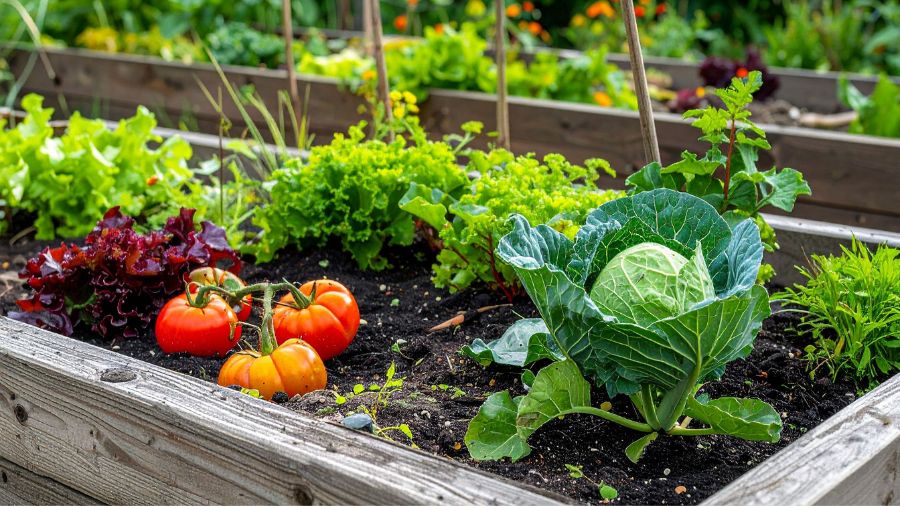
Fall is coming to an end, which means its time to store fruits and vegetables from the garden for the winter. (Canva)
(Canva)

SALT LAKE CITY — Many vegetables can be stored for extended periods of time once gardens are harvested for the final time before winter. Here are some crops that are easy to store with minimal expense.
Root crops
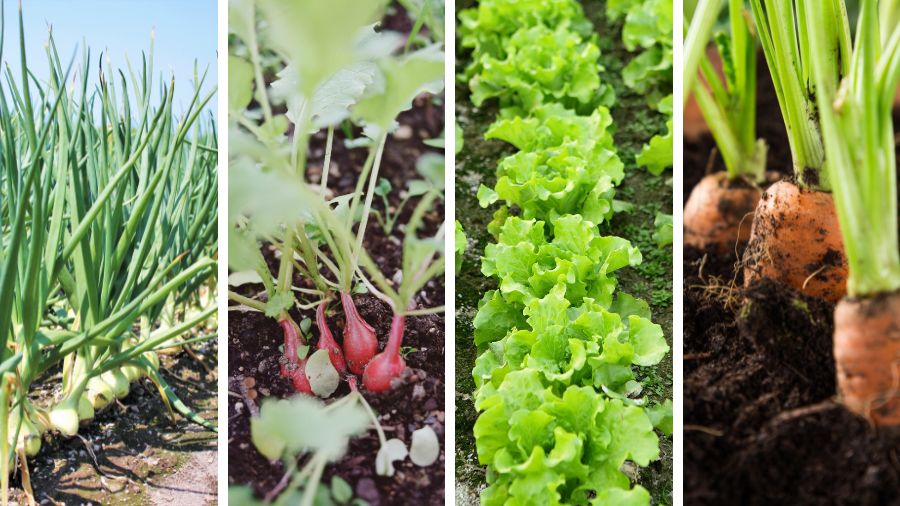
Beets, carrots, parsnips and turnips are just some of many root crops.
In the fall, leave root crops in your garden buried in the soil and cover them with a thick layer of straw or leaves. Remove this mulch cover and dig them as needed throughout fall and winter. Use any roots stored outdoors soon after bringing them inside.
Another option is to dig them in the fall and store them indoors in a cool, moist place, putting them in water-tight bins or crates filled with layers of damp sand, peat moss or sawdust.
Once brought into the kitchen for use, store them in a plastic bag in the refrigerator and use within one to two weeks.
Onions
Onions grown for long-term storage are best grown from seed rather than sets or transplants.
Harvest in late September, or before a hard freeze in areas with shorter growing seasons. After harvesting, place the onions out of direct sunlight to cure for two to three weeks.
Onions are ready for storage when the outer skins rustles like paper and the necks are dry. Keep the onions in a cool, dry location. For the longest storage life, store them just above freezing temperatures.
Potatoes
Handle harvested potatoes carefully to prevent scars and bruises. Move them to a dark, cool place and cure at 45 to 60 degrees Fahrenheit for about two weeks. This allows the skin to dry and toughen up. After this, store in a dark area in boxes, burlap bags or crates at 40 F.
Never store potatoes and apples together, as potatoes can cause apples to develop a musty taste.
Tomatoes
When a hard frost is imminent, harvest mature greens or slightly pink tomatoes for storage.
Remove stems carefully to prevent puncturing other fruit. Place tomatoes in one or two layers in a box, in single or double layers, so that they can be checked easily as they ripen. Cover them with paper to retain moisture and store them in a dark place at 50 to 60 F.
Bring out unripe fruit as needed and allow it to ripen at room temperature. Tomatoes will typically ripen within one to two weeks.
Winter Squash and Pumpkin
Fruits are ripe when their skin looks dull and waxy, and it is hard to scratch the skin with a fingernail.
Leave unripe squash on the vine until they are fully mature, but harvest them after a light frost has passed. Cut the stem with a knife, leaving at least one inch attached to help prevent decay.
Cure the fruits in a warm, dry place (75–85 F) for 10 days, then store them in a dry area at 50 to 55 F. Avoid storing at temperatures below 45 F, as fruits will rot quickly at these lower temperatures.
Listen to the KSL Greenhouse Show for more information on how to store fruit 👇
For further information on storing crops for the winter, see the factsheet: Harvest and Storage of Fruits and Vegetables, written by retired USU Extension agronomist Shawn Olson, Dan Drost and Teresa Hunsaker.
The KSL Greenhouse Show airs Saturdays from 8 to 11 a.m. Follow the show on Facebook, Instagram and YouTube.
Other Greenhouse Show articles:
Keeping your small engines safe through the winter