How can Utah stem gun violence at its root? Criminologist weighs in
Aug 14, 2025, 7:00 AM

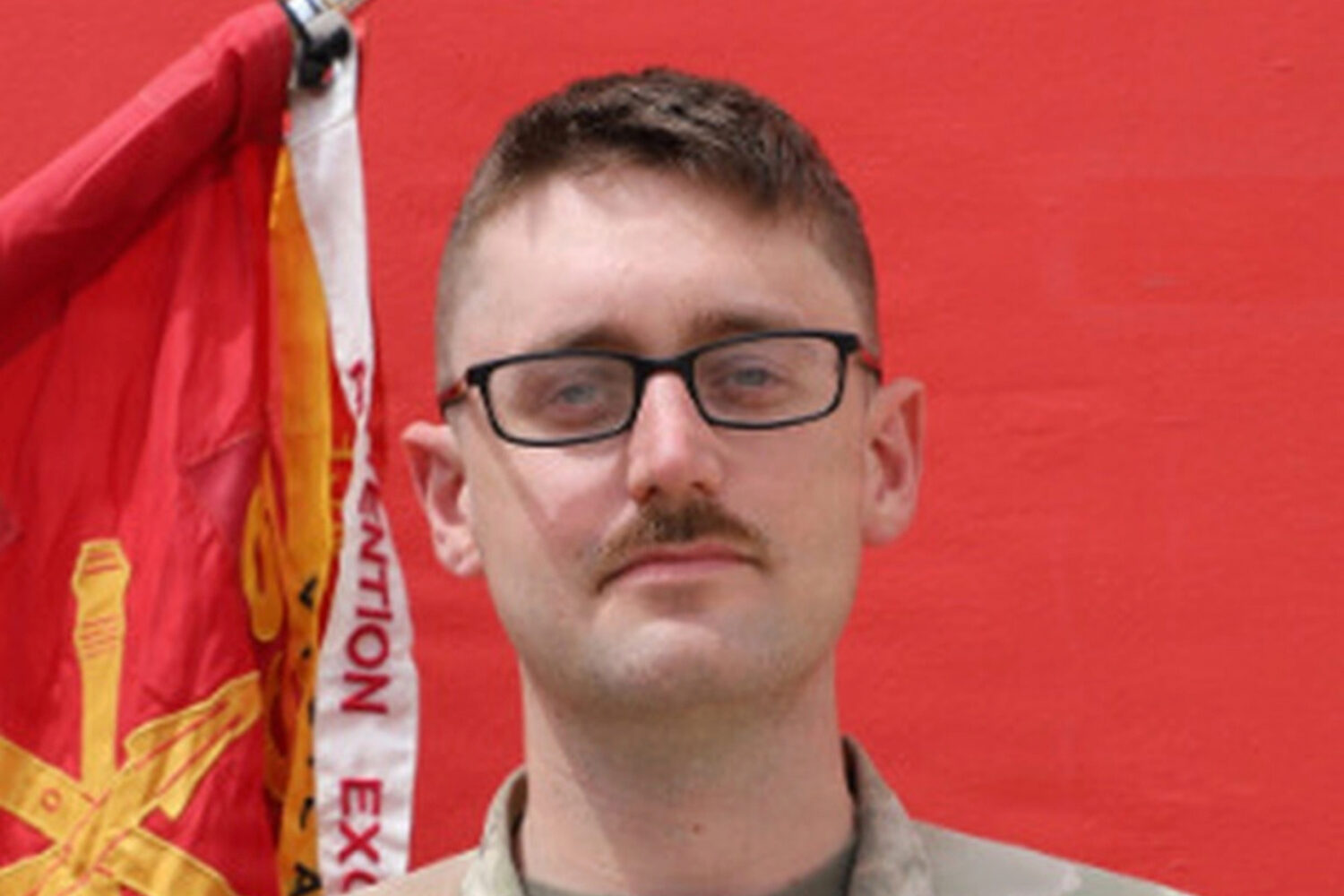
David Kennedy, a Stanford historian, shared the Boston Gun Project findings with Utah's Violence Prevention working group on Wednesday. (Stanford University)
(Stanford University)
SALT LAKE CITY — “The most powerful root cause of violence is violence,” David Kennedy, the creator and criminologist behind the Boston Gun Project and the Operation Ceasefire strategy, told Utah leaders Wednesday.
Kennedy met with Utah lawmakers, school board members, prosecutors, defense attorneys and others to provide insight into his experience and aid the state’s fight against gun violence, as part of the Youth Violence Prevention and Public Safety Working Group led by Utah state Rep. Tyler Clancy.
Related: Understanding Utah gun laws after deadly Salt Lake City protest shooting
The Boston Gun Project was developed in 1995 and implemented in 1996. Kennedy created the strategy, in tandem with Harvard University, to try to eliminate the pervasive drug markets of the 1980s. He had learned the markets were inexplicably tied to violence, oftentimes leading to killing and death and what he referred to as an “appalling violence epidemic.” Rapid response calls were often too late to stop the mortality rate, and so Kennedy realized a new program was needed more than ever.
The unique strategy of the Boston Gun Project did not focus on one individual at a time. Instead, law enforcement in the area tackled gun violence as a group issue, particularly focused on gangs.
“Most murderers are not serial killers. When you lock one up, you haven’t done a great deal about the next one,” Kennedy told the working group on Wednesday.
According to Kennedy, over half of nonfatal shootings are caused by under 1% of a city’s population. Many of the offenders are members of a gang of some sort, leading to a repetitive cycle of violence.
Kennedy and his colleagues at the National Network for Safe Communities believe there are no “dangerous neighborhoods.” Rather, they believe the core group of individuals in gangs makes a neighborhood dangerous. They believe the framework of the community does not need to be “fixed,” but the violent groups must instead be addressed at the root.
Furthermore, the Boston Gun Project also found that many of the violent incidents were caused by a sense of retaliation. This could include a vengeful ex, gang-related hatred or familial prejudice.
Read more: Three killed after gunfire erupts outside Reno casino, suspect in custody
Those who are surrounded by violence are also at a higher risk of being a victim. According to Kennedy, the “cousin rule” suggests that if an individual has someone close to them shot, they are 10 times more likely to be shot, as well.
While other strategies for solving the violence issue do exist, Kennedy has found them to be mostly unsuccessful at stopping the core issues. The root-cause approach often operates on a long-time scale, and the enforcement approach cannot figure out a way to arrest their way out of the problem, according to Kennedy.
To help alleviate the devastating effects of violence, particularly involving firearms and young adult men, Operation Ceasefire focused on pulling “levers.” The levers include establishing clear consequences for criminal activity, maintaining a focused deterrence strategy, targeting high-risk groups and ensuring that punishments for crime are appropriately communicated and enforced against the groups.
The strategy ensures that gangs are collectively warned that any gang-involved shooting results in an all-out enforcement effort on the entire gang. The enforcements include harsher barriers on drug markets, following through on outstanding warrants, increasing probation checks and pursuing federal gun charges.
While the negative consequences are swift, often allowing agencies to quickly collaborate to stamp out the violence, positive avenues are also made available. Job training, education and social services were all provided to gang members in Boston.
The results of the Boston Gun Project proved to be revolutionary, reducing monthly youth homicides by 63%. Homicides involving those under the age of 24 and gun assaults of any age also decreased by 71% and 70%, respectively. The drastic decline of gun-related violence was referred to by many as “The Boston Miracle.”
Planning for the future
Kennedy taught the group all about the method and how it can be implemented in Utah. He emphasized that the strategy does not take a complete scrapping of the current system. Instead, it requires the various agencies in a community to unite to help solve the problem through a group-focused approach.
“It’s an innovative way. It’s a response to the world we both work in,” Kennedy said Wednesday.
Clancy also hopes the working group can be instrumental in leading the unification necessary to implement focused deterrence.
“I think a lot of it is about coordinating effort,” Clancy said. “There’s so many efforts, initiatives and projects that are going on in the public safety area. … (The Boston Gun Project) is more of an alignment. Ultimately, I think it’s about identifying who are going to be our leaders in this effort.”
The Youth Violence Prevention and Public Safety Working Group will continue holding meetings to educate the public about how to stop violence in Utah.
Read more: Gunman who killed 4 at Manhattan office building was targeting NFL headquarters, mayor says