Great Pyrenees dies of heat exhaustion while hiking in Kane County
Jul 13, 2026, 6:01 PM
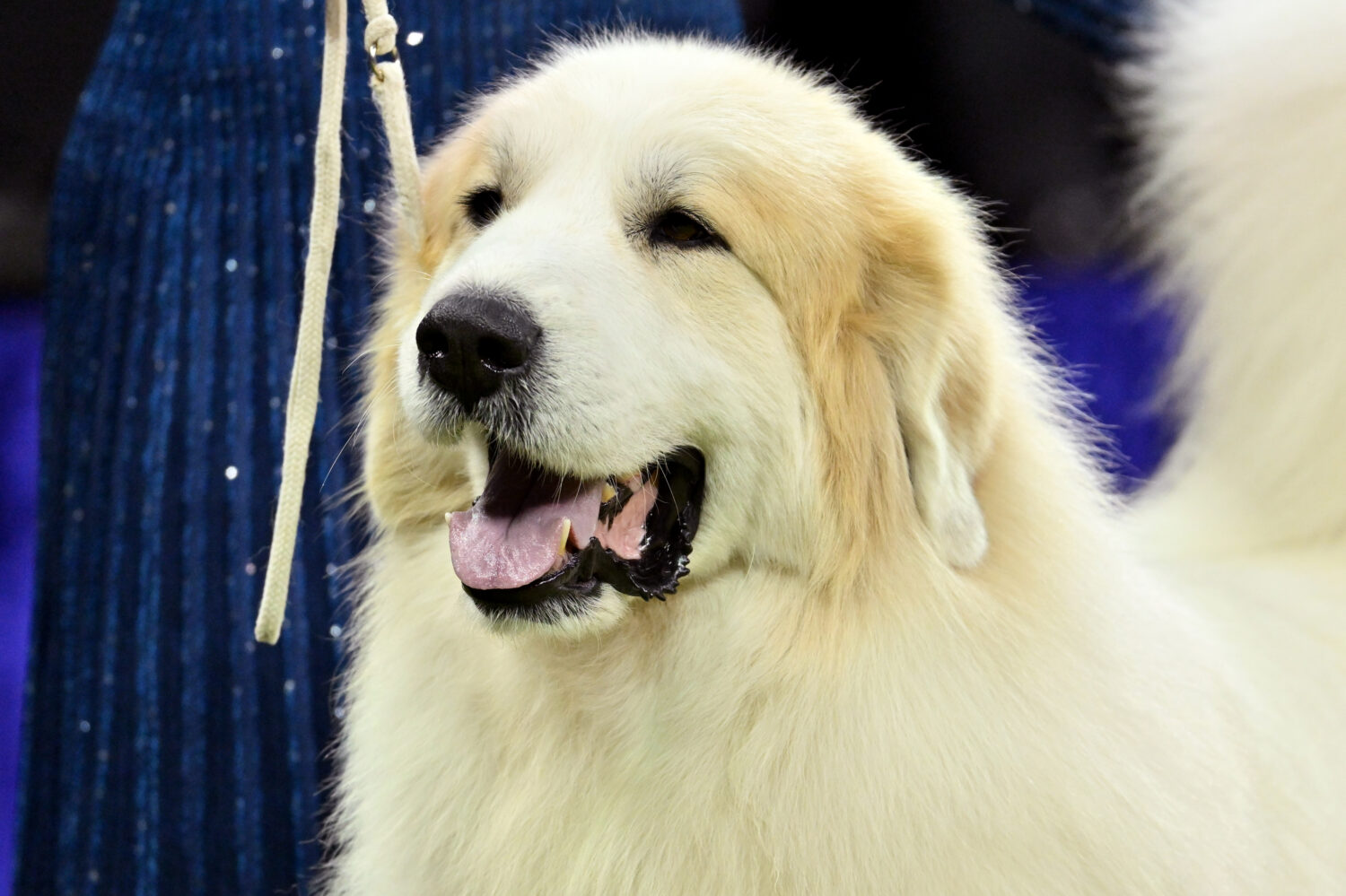
Sebastian, the Great Pyrenees, competes at the 150th Westminster Kennel Club Dog Show – in New York City. This photo was used to provide an example of a Great Pyrenees, and is not the dog that died due to heat exhaustion in Kane County during the Fourth of July weekend. (Roy Rochlin, Getty Images for Westminster Kennel Club)
(Roy Rochlin, Getty Images for Westminster Kennel Club)

SALT LAKE CITY — A Great Pyrenees died from heat exhaustion after being taken on a hike in Kane County over Fourth of July weekend.
On July 3 around 3 p.m., a woman called 911 from the Buckskin Gulch Trail, saying her dog was severely overheating, and she needed help carrying the dog back to the trailhead. In a Facebook post, Kane County Sheriff’s Search and Rescue said they worked with the Big Water Fire Department to respond, but the dog died before rescuers got there.
The National Weather Service said that in Kanab that day, it was about 93 degrees.
The sheriff’s office used the incident to remind residents how important it is to remember that dogs can overheat much more quickly than people, especially during the hot summer months.
How to know if it’s too hot to take the dog outside
Local events coordinator for Salt Lake City’s Best Friends Animal Society explained that a good way to know if it is too hot to take your dog out is the palm test.
“[It’s] where you take your palm onto the pavement or the asphalt for about seven seconds,” Rice explained. “If you can’t comfortably hold your hand on the pavement for about seven seconds, it’s probably too hot to have your dog outside walking on that.”
Rice said that while it is important for dogs to have enrichment and exercise, it is best to avoid those activities during the hottest parts of the day. She recommended taking early morning walks or late evening walks instead.
“The most important things are having access to water, shade, and a cool area,” Rice explained. “Unfortunately when you’re on a hike, that’s pretty hard to get to.”
If you take your dog out on a hot day, here’s how to be best prepared
If pet owners still decide to take their dogs out, Rice suggested bringing plenty of water and keeping a close eye on signs of heat exhaustion. The signs of heat exhaustion include heavy panting, and discolored gums that appear dark red instead of pink.
Here are some other tips provided by Best Friends Animal Society:
-
Beware of hot pavement: Sidewalks and asphalt heat up quickly in the sun and can burn pets’ paws. A simple rule: if people can’t hold their hand on the pavement for more than seven seconds, it’s too hot for pets’ paws. Walking during cooler parts of the day, sticking to shaded or grassy areas, and using protective booties can help keep dogs and cats safe.
-
Indoor enrichment matters, too: When temperatures soar and experts recommend limiting outdoor time, mental stimulation becomes even more important. Food-dispensing toys, puzzle feeders and snuffle mats are all great ways to keep dogs engaged and burn energy safely indoors.
-
Prioritize hydration and shade: Dogs and cats can become dehydrated quickly in hot weather, especially during outdoor activities. Bringing fresh water and a collapsible bowl can help keep pets hydrated on the go. Whenever possible, pets should stay indoors during the hottest parts of the day and always have access to shade when outside. If pets are spending time outdoors, make sure they always have access to plenty of fresh water and adequate shade, especially during the hottest part of the day, typically between 2 p.m. and 4 p.m.
-
Protect pets from the sun: Pets can get sunburned too, especially those with light-colored fur or exposed skin. Pet-safe sunscreen and lightweight UV protective clothing can help provide added protection during sunny days outdoors.
-
Never leave pets in parked cars: Even on a 70 degree day, the temperature inside of a parked car can rise to 89 degrees in just 10 minutes. It can reach 104 degrees within 30 minutes. Dogs and cats should never be left unattended in cars, even briefly.