Scammers are cashing in on tariff confusion
Jun 23, 2025, 6:00 AM | Updated: 6:40 am
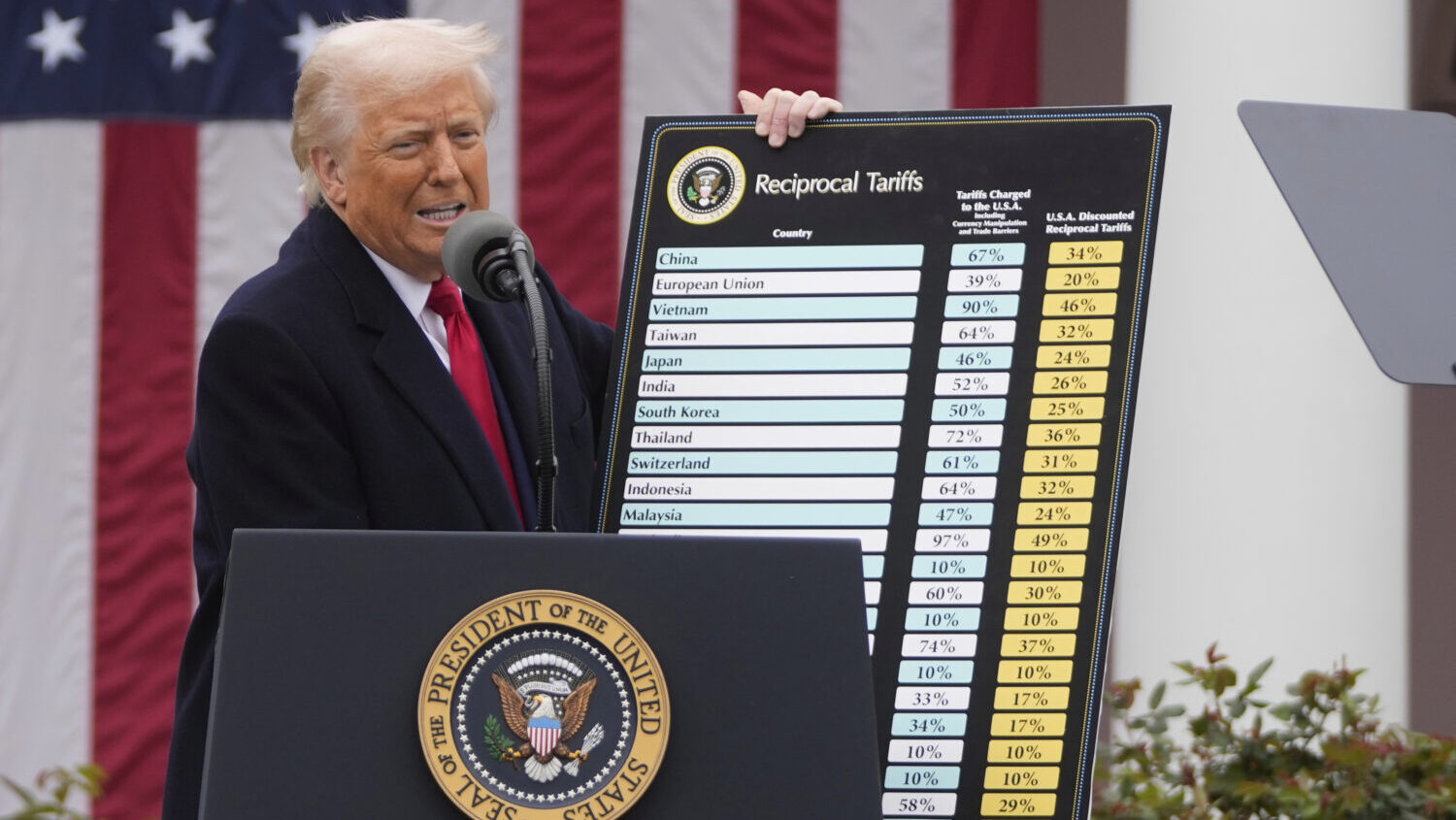
FILE - President Donald Trump speaks during an event to announce new tariffs in the Rose Garden at the White House on April 2, 2025, in Washington. (Mark Schiefelbein/Associated Press)
(Mark Schiefelbein/Associated Press)

SALT LAKE CITY — For some, it’s hard to know what’s going on with tariffs. And with the almost daily updates and changes, scammers are counting on consumers being confused.
According to the Better Business Bureau, bad actors are sending texts and emails telling people they owe additional fees in order to receive their packages. And they are targeting a specific demographic that may feel an urgency to get their products in a timely manner.
Related: What can the Smoot-Hawley Tariff Act teach us about what to expect from today’s tariffs?
“Scammers are definitely looking for new businesses and new entrepreneurs who maybe aren’t familiar with international trade agreements and customs,” said Haley Reyes, Director of Business Engagement and Outreach for the Better Business Bureau.
Why Utah entrepreneurs are targets
Many Utahns are potential targets because the state boasts so many entrepreneurs and business start-ups. The stress of wanting to receive products quickly may trick otherwise savvy people to fall for these scams.
The scam happens when people click a link, pay a fee, or give up personal information to people claiming they need more money for tariffs.
“They might think ‘with all the talk about tariffs right now, I must have to pay this customs fee in order to get it through customs and get it across the borders,'” said Reyes.
Additional costs related to tariffs won’t be after-the-fact
The BBB said additional costs associated with tariffs will not be a surprise fee after-the-fact. All shipping, taxes, tariffs and other fees should be handled at the point of sale.
If someone is asking for more money later to get the package to you, that’s a red flag. If you’re unsure, take some time to do some digging before clicking, paying, or divulging information.
“If it’s related to tariffs specifically, you’re totally open to contact your local border and customs agency,” said Reyes.