Midway snowboarder who chose amputation to keep competing qualifies for 2026 Paralympics
Feb 25, 2026, 12:45 PM | Updated: 2:53 pm
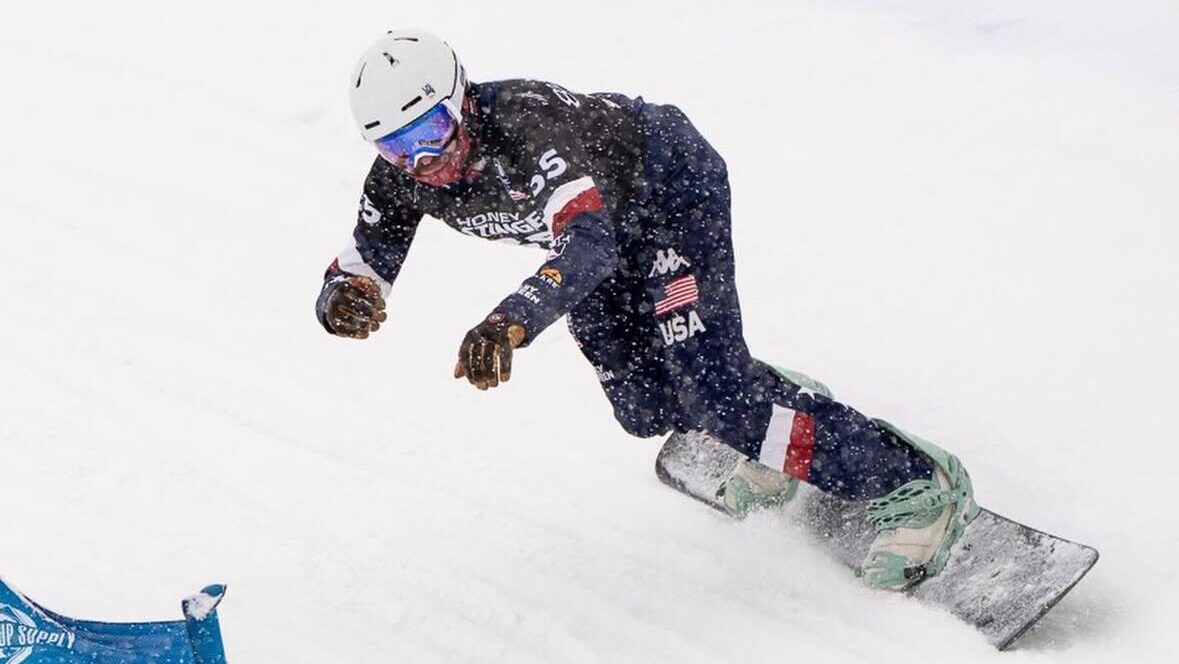
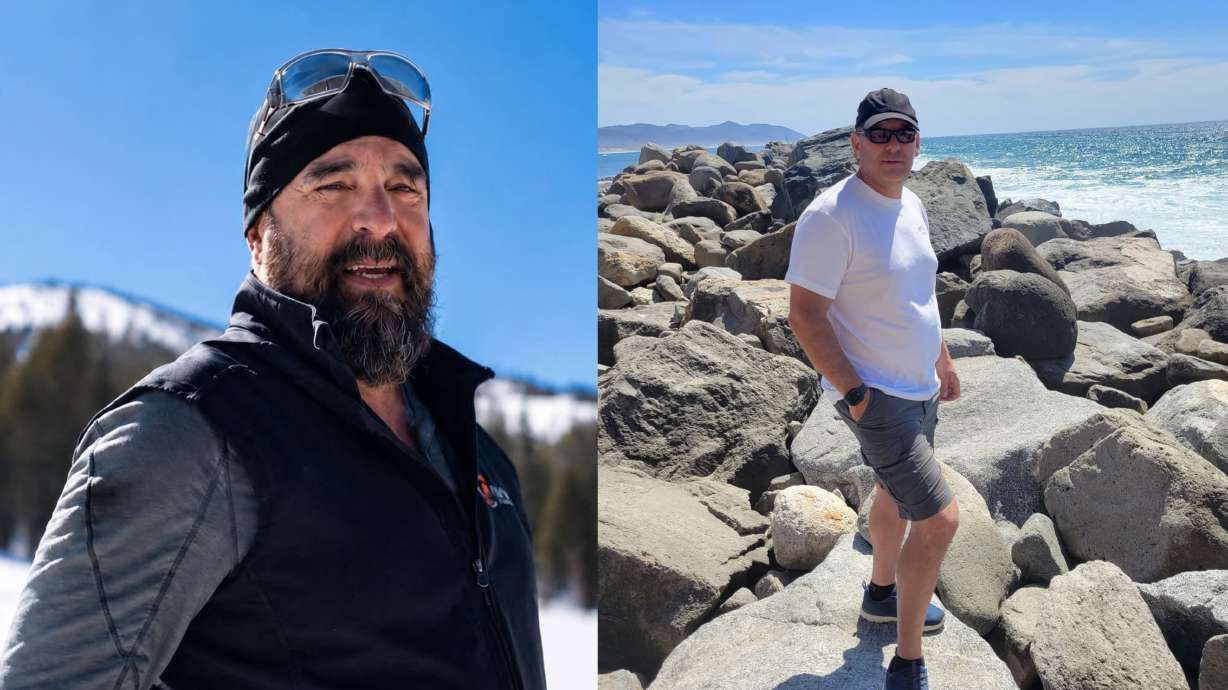
Joe Pleban for Team USA (GoFundMe)
(GoFundMe)
MIDWAY, Utah — When doctors told Joe Pleban at 21 years old that a tumor had destroyed his ankle and competitive sports were over, he faced a choice: fuse the joint and give up athletics, or take a risk that could change his life.
He chose amputation.
Now, years later, the Midway snowboarder officially qualified for the 2026 Paralympic Winter Games in Milan-Cortina, Italy.
“I just came across the line and looked at my time, knowing I was guaranteed a second place and a podium,” Pleban said of a recent World Cup race in Steamboat Springs, Colorado. “My wife and my mom were in tears… You work so long and it comes down to fractions of a second.”
A rare diagnosis and a life-changing decision
Pleban was an avid athlete growing up, but the day after high school graduation, he broke his ankle attempting a trick. The injury never healed properly, and doctors later discovered a rare tenosynovial giant cell tumor that attacks a single joint. He said he was told just one in two million people develop the condition in the ankle.
After multiple attempts to treat it, including radiation therapy, doctors told him the joint was severely arthritic and largely destroyed. One option was ankle fusion, which would eliminate the grinding pain but also eliminate most athletic movement.
“When I asked what sports I could play with a fused ankle, the answer was basically none,” he said.
Instead, inspired by adaptive snowboarders he watched at the X Games, Pleban pursued an elective below-the-knee amputation.
Before surgery, he and his family leaned into humor creating a “bucket list” for his left foot that included skydiving and even getting a temporary tattoo on his ankle reading “please cut here.”
“It sounds morbid,” Pleban said, “but that’s how my family deals with hard things.”
Relearning the sport and chasing the Games
After surgery, Pleban dealt with phantom limb pain and later participated in a targeted nerve procedure known as Targeted Muscle Reinnervation, which he said significantly reduced those symptoms.
When he returned to snowboarding with a prosthetic, Pleban said he immediately felt comfortable. But his first adaptive competition was a humbling experience.
“I got my butt kicked,” Pleban said. “It was a huge eye-opener how much work it takes to compete at the elite level.”
He committed to training full time, spending winters in Colorado and working his way onto the U.S. national team. He narrowly missed the Beijing Paralympics but continued climbing the World Cup circuit.
This season, a second-place finish in Steamboat Springs helped seal his qualification for Italy.
The cost of competing
Pleban said qualifying is only part of the journey. Adaptive athletes often face additional financial burdens due to specialized equipment.
The everyday prosthetic he walks on is different from the one he competes with. His racing prosthetic includes a high-performance shock system and custom components — equipment he said can cost tens of thousands of dollars and is typically not covered by insurance.
“Insurance will say you already have a foot to walk around on,” he said. “Why would we pay for a $25,000 foot?”
On top of that are race boards, travel, coaching and training expenses. Pleban launched a GoFundMe campaign to help offset those costs as he prepares for Milan-Cortina.
‘Parallel,’ not ‘paralyzed’
Pleban said he also hoped his story helps people better understand the Paralympics.
“When you say Paralympics, people think paralyzed Olympics,” he said. “It’s actually parallel. The Paralympics run parallel to the Olympics. These are elite athletes who happen to have a disability… but at their core, they’re elite athletes.”
Now training in Utah and preparing for the Games, Pleban said the years of work have been worth it.
“Results are a byproduct of the work you put in when no one’s looking,” he said. “Knowing your ‘why’ — that’s what carries you.”
The 2026 Paralympic Winter Games are scheduled for March 6 to 15 in Italy.
Other stories:
Fighter jets to fast sleds: Weber State advanced materials lab could give USA sleds the edge