Utah search and rescue teams urge preparation as heat, storms prompt rescues
Jul 22, 2026, 4:26 PM
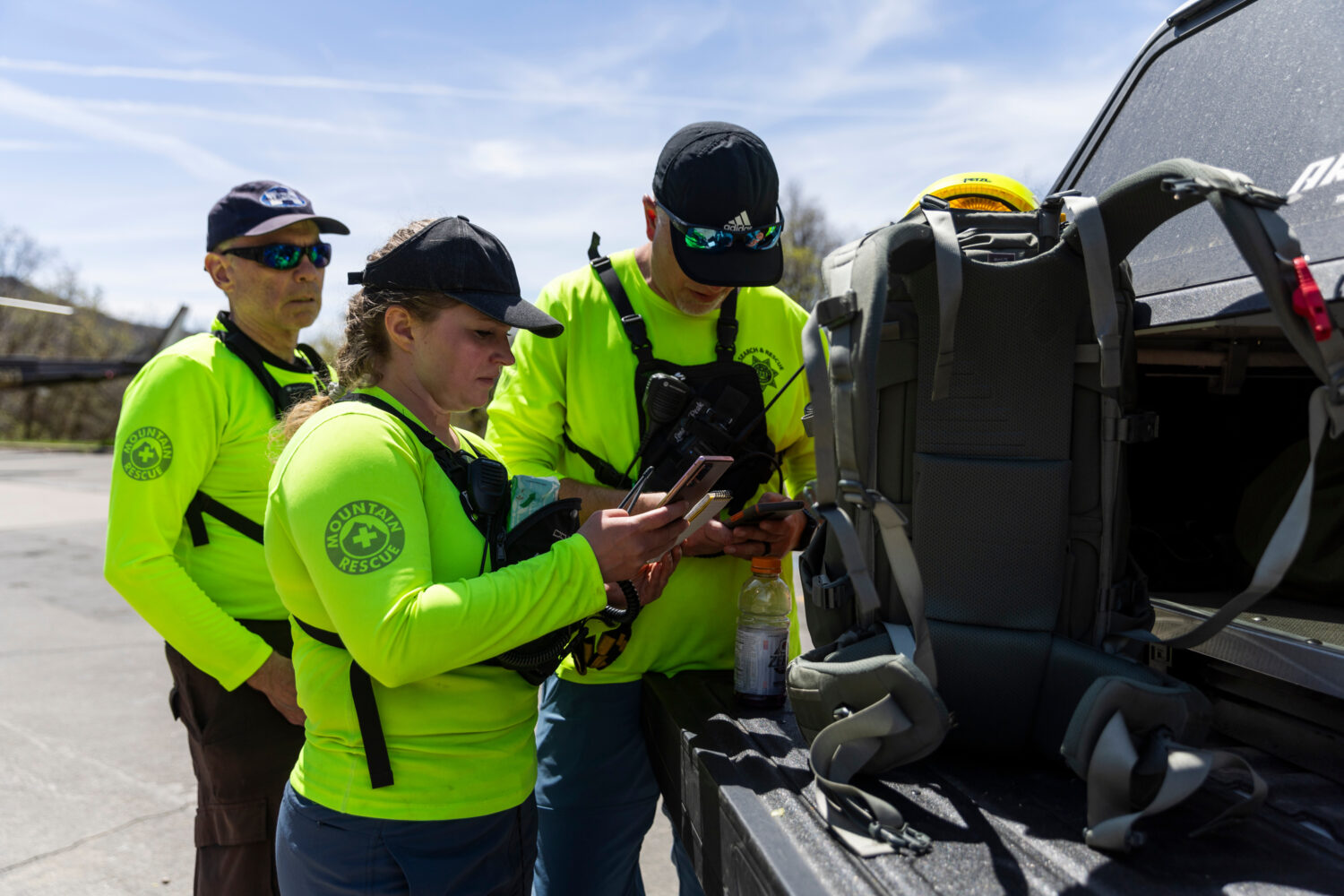
The Davis County SAR team prepares to hike up the Fernwood Trail in Layton on Sunday, April 21, 2024. Search and rescue teams across Utah are busy this year. Here's what you can do to lighten the load. (Marielle Scott, Deseret News)
(Marielle Scott, Deseret News)

This story was adapted from a radio broadcast script using artificial intelligence. Every story, including those adapted with AI, is reviewed by a human editor before publication to ensure that KSL’s editorial standards are upheld.
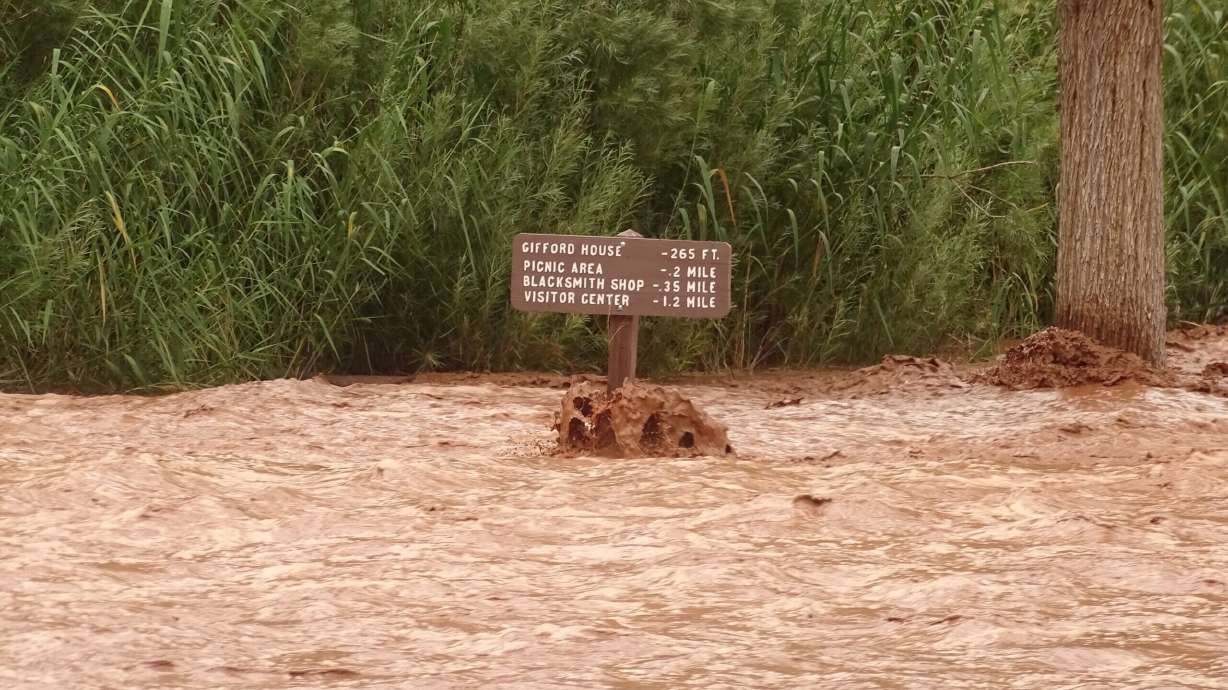
SALT LAKE CITY — Flash floods, triple-digit temperatures and sudden thunderstorms combined to create a dangerously busy weekend for search and rescue crews across Utah — and officials said the risks are far from over.
Luckily there are things that that hikers and others can do beforehand that can prevent a panicked call to 911.
Sevier County Sheriff Nathan Curtis, who also chairs the Utah Search and Rescue Advisory Board, said the single most important thing people can do before heading outdoors is prepare.
“Be prepared, know where you’re going, make sure you have a plan and stick to it,” Curtis said.
Water is essential, and what people most-often forget
Dehydration remains one of the most common factors in rescue calls. Curtis recommended that adults carry at least a gallon of water per day — and double that amount when spending time in Utah’s high desert heat.
“Always take a little more water with you than you planned,” Curtis said. “People think, ‘Oh, it’s only a half-mile hike or a mile hike,’ when it turns into two or three miles in 100-degree temperatures and your body wears out.”
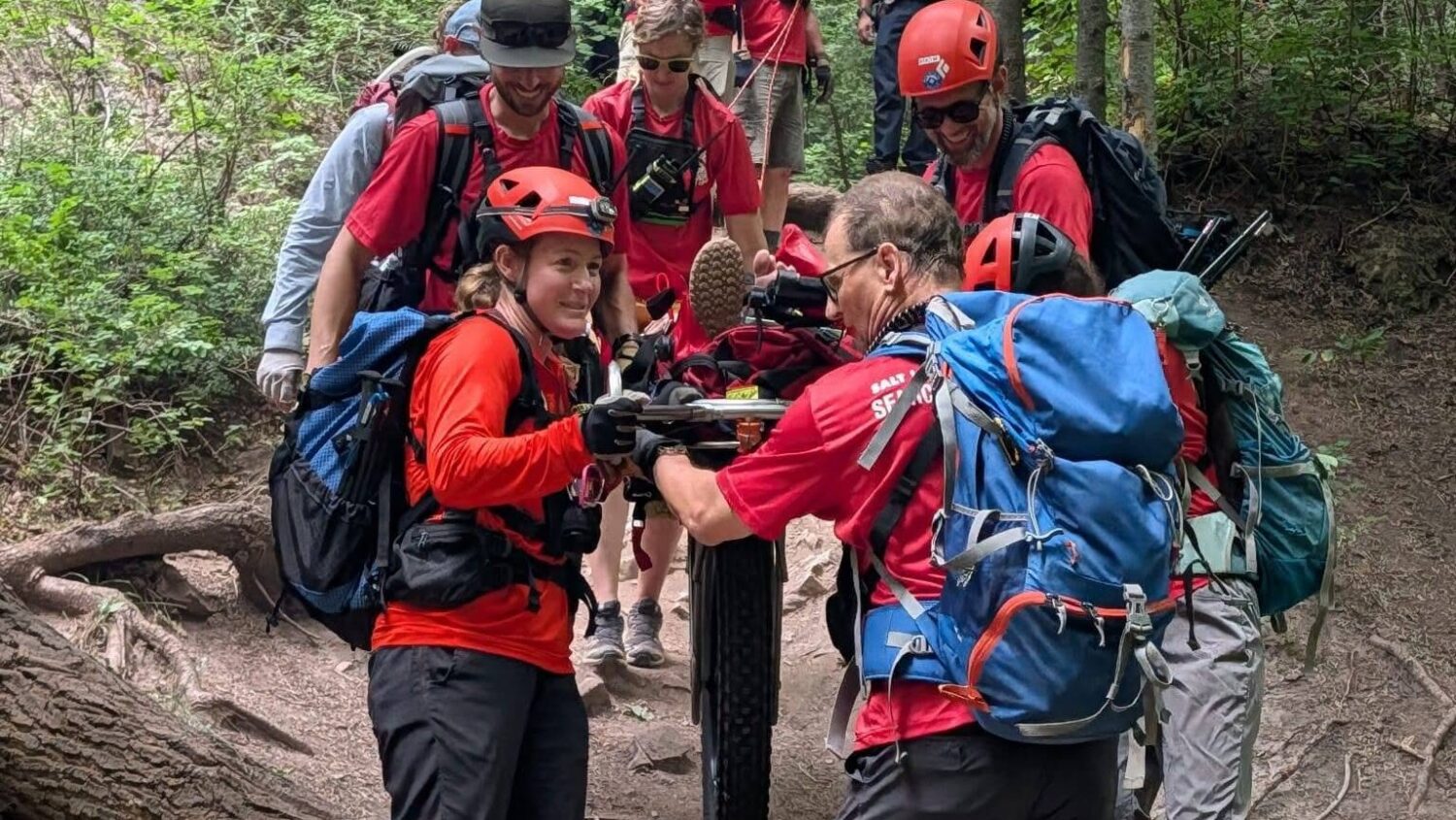
The Salt Lake County Search and Rescue team on the Grandeur Trail where a female hiker sustained a leg injury last week. (Salt Lake County Sheriff’s Search and Rescue)
And it isn’t solely a matter of thirst. He warned that dehydration can quickly escalate into a life-threatening situation.
“Sometimes we see people who are dehydrated and they start making poor decisions,” he said. “And that’s when we really see problems.”
By the numbers: Nearly 6,000 people found, rescued or recovered
Since 2022, Utah search and rescue teams have documented staggering numbers:
- 2,400 people found
- 3,300 people rescued
- 423 body recoveries
- More than 150,000 volunteer hours logged
Curtis estimated that roughly 1,000 volunteers serve on search and rescue teams attached to every sheriff’s office in the state. The busiest teams — in Washington, Salt Lake, Grand and Utah counties — average 100 to 150 callouts per year.
About 39% of the people rescued statewide were visitors from outside Utah, Curtis said.
A plan that saved a life
Curtis shared a story that illustrated why having a detailed plan matters. Two brothers from Tennessee went rappelling in a Utah canyon. One fell to his death midway through a three-stage rappel. The surviving brother was stranded — unable to climb up or descend because the rope had fallen with his brother.
But the pair had told family and friends exactly where they would be throughout their trip. On the sixth day, when the brothers failed to check in, family members called authorities.
“We knew exactly where they were going their whole trip throughout the state,” Curtis said. “So we knew exactly where to go look for them.”
Hiking, biking top the list
The most common type of rescue involves hikers, Curtis said. Weather and injuries — particularly knee and ankle injuries — are the leading causes.
Mountain biking ranks second, with about 90% of those calls involving crash injuries.
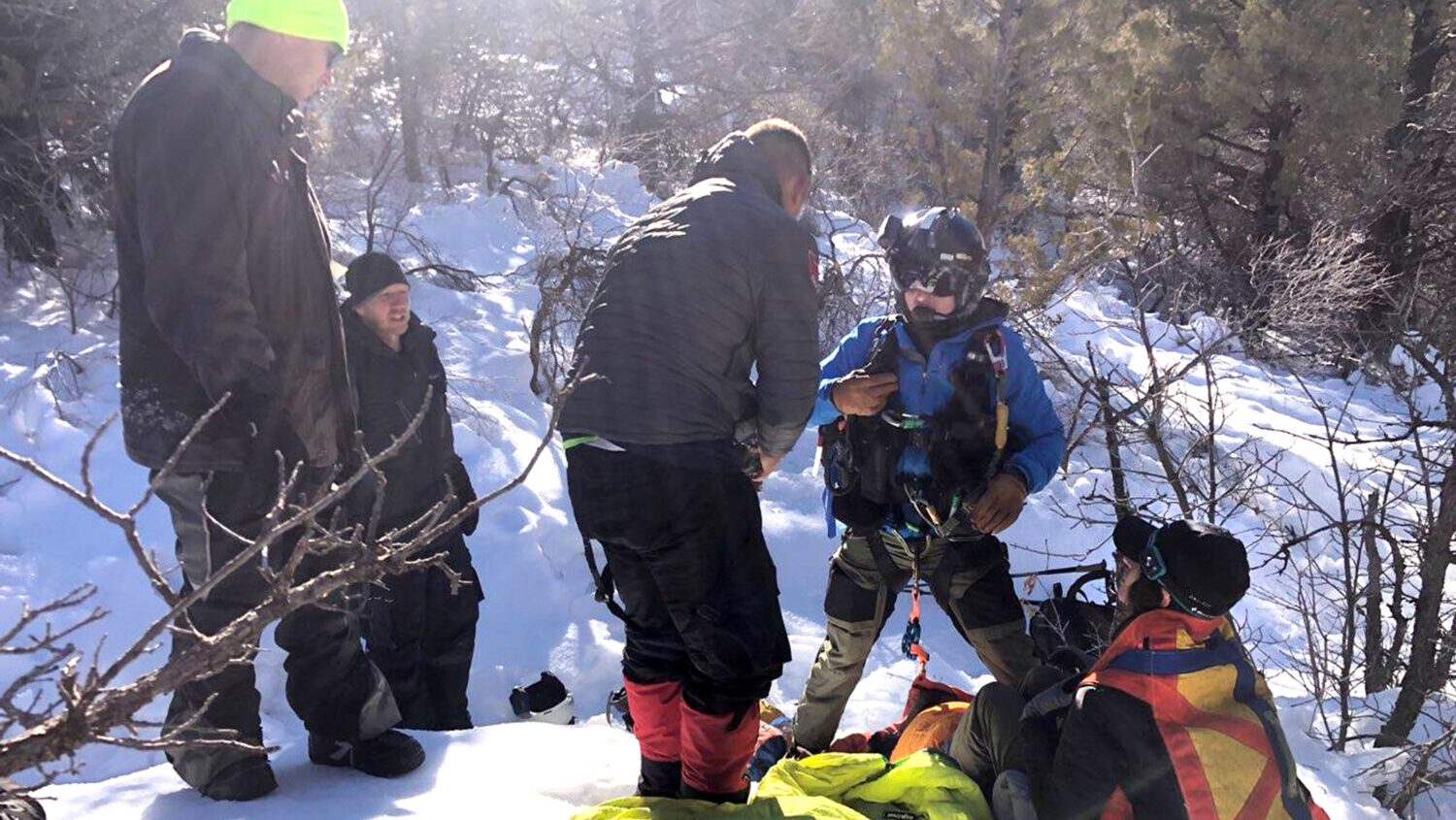
Utah Department of Public Safety prepare to hoist a victim with the help from Washington County Search and Rescue Monday, Jan. 10, 2022. Deputies hike in the last mile to reach a woman stuck in the snow in the Kolob Canyons region of Zion National Park. (Washington County Sheriff’s Search and Rescue)
How you can help
While SAR missions are generally free of charge for those being rescued, money is still needed to fund them. Much of that money comes from the Utah Search and Rescue Assistance Program, which helps to reimburse county sheriff departments for their SAR expenses. Those who buy recreational vehicle permits, and licenses for hunting or fishing also help carry the financial SAR load.
He encouraged the public to support their local teams through donations or by purchasing a Utah Search and Rescue Assistance Card, which helps fund equipment, training and operations.
He also asked for one more thing.
“If you see those volunteers, please tell them thank you,” Curtis said. “They’re amazing at what they do.”