University officials in Utah have close eye on potential Pell Grant changes
Jun 6, 2025, 2:24 PM

FILE: The headquarters of the Department of Education are shown March 12, 2025 in Washington, DC. (Win McNamee/Getty Images)
(Win McNamee/Getty Images)

SALT LAKE CITY — University officials across Utah are keeping an eye on the education portion of the House reconciliation bill that may limit how many students can receive federal aid from Pell Grants.
Right now, students must be enrolled in at least 12 credit hours per semester in order to quality for a Pell Grant. The reconciliation bill increases that number to 15 credits per semester.
Related: The new ‘simplified’ and ‘streamline’ way to guaranteed college admission
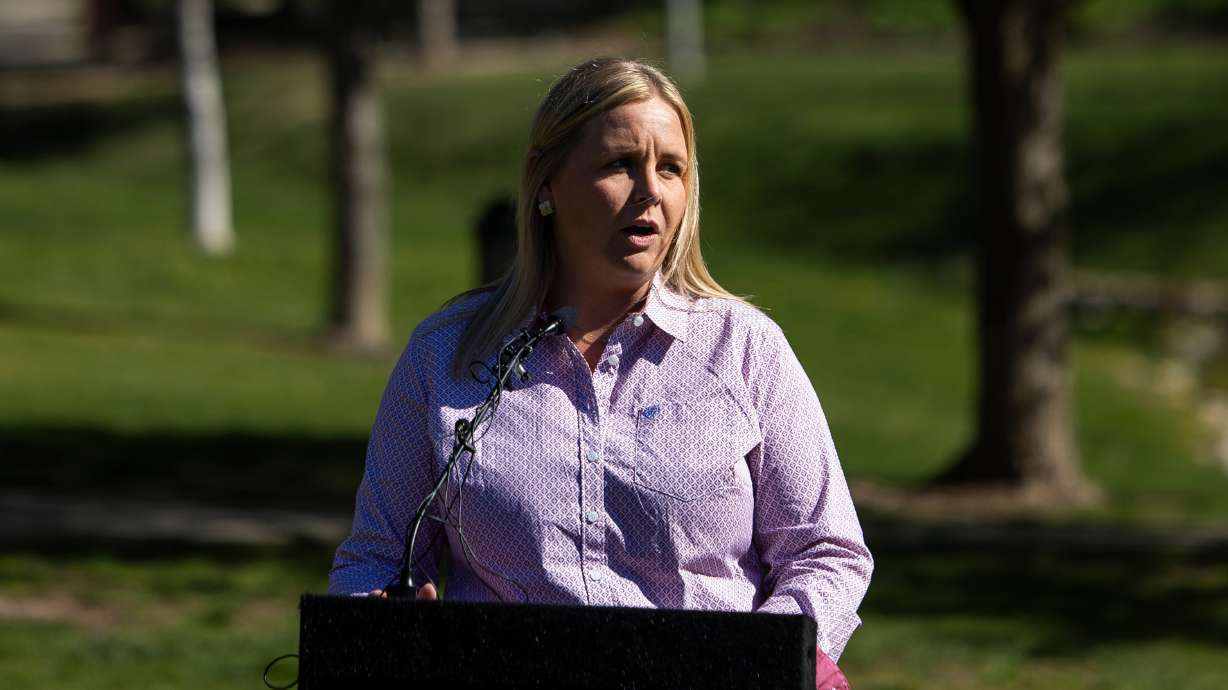
Vice President of Strategic Enrollment at Utah State University, Katie Joe North, said the bill may also change requirements of the Workforce Pell Grant, which a standing House committee describes as a federal grant allowing students to use their Pell Grant money for workforce training programs as opposed to a four-year degree.
At Utah State University, over a quarter of their students receive some amount of federal aid in the form of a Pell Grant, according to a new report from the Kem C. Gardener Institute.
North said most of those students often struggle to balance working and studying, and the increased credit requirement could mean students will have less time to focus on their studies.
“We have students all over the state. A lot of our statewide campuses have part-time students because they’re full-time working adults,” North said.
North said USU has prioritized helping students apply for Pell Grants because the number one reason people choose not to go to college is because of finances.
Another change reflected in the House Reconciliation Bill is that it decreases funding for work study students, or students who work on campus. North said work study allows the university to hire students, which helps both the university and the student.
“Balancing work and school has always been a challenge for our students,” North said, “and the more they work [they have] the less school they can do.”
North said they also have many students who are working across the state as part of their land grant mission. They worry this could leave students with less time to focus on school, or that they could choose to refuse the grants.
According to The National Association of Student Financial Aid Administrators, a review of the House reconciliation bill by the Congressional Budget Office found that “by changing the definition of full-time, more than half of students currently enrolled would receive smaller Pell Grants.”
The CBO also estimated that changing a student’s eligibility would “reduce direct spending by $7.1 billion over the legislation’s ten-year period, 2025-2034.
Contributing: Simone Seikaly