It’s better to wait to have garden success
Feb 14, 2026, 9:21 PM

Cami and Oliver Hauver work in their garden in Sandy on Saturday, Aug. 9, 2025. (Scott G Winterton/Deseret News)
(Scott G Winterton/Deseret News)
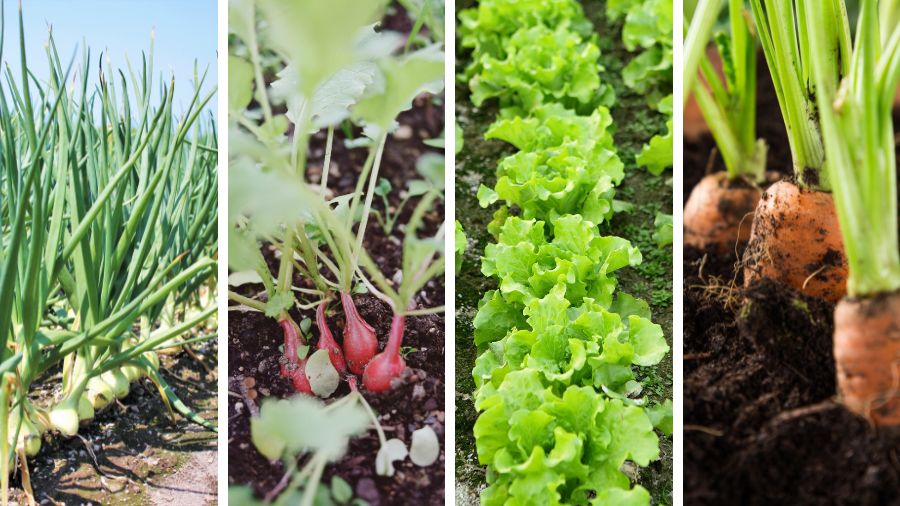
SALT LAKE CITY — With the warmer winter we’ve experienced, many gardeners are eager to start cool-season crops such as radishes, broccoli, and lettuce outdoors earlier than usual.
I understand the excitement—fresh produce is hard to resist. However, Utah’s climate is notoriously unpredictable.
Along the Wasatch Front, it’s generally best to wait until mid to late March to plant these crops outdoors. In cooler areas such as Logan and Heber, early to mid-April is typically more appropriate.
The exception is if you plan to use season-extension tools such as low tunnels or cold frames to protect plants from cold snaps.
The Utah State University Extension offers a helpful fact sheet on extending the gardening season, with options ranging from simple, inexpensive setups to more elaborate setups.
There is also an interactive webpage online that helps you determine the ideal vegetable planting times for your area.
Gardening soil
Another key factor to consider is soil temperature. Even if air temperatures feel warm, cool-season crops generally require soil temperatures of at least 40–45°F for germination, and they perform better as soils warm further.
To check soil temperature, use an inexpensive kitchen thermometer. Insert it several inches into the soil and allow it to stabilize for a few minutes.
If the soil is still cool, there are ways to warm it. Creating shallow furrows can help, as the soil at the top of a furrow warms more quickly.
For additional warming, cover the area with UV-resistant black plastic secured with stakes or rocks to prevent wind movement. You may even place drip irrigation beneath the plastic in preparation for planting.
Once the soil reaches appropriate temperatures, punch holes in the plastic and plant directly through them. For specific soil temperature preferences, consult research-based resources such as Oregon State University’s vegetable production fact sheet.
Where to start
If you’re just getting started, radishes, spinach, lettuce, and mustard greens are among the easiest crops to grow from seed. However, consider using transplants for certain crops.
Broccoli, cabbage, and Brussels sprouts often perform better when planted as starts rather than direct-seeded. Most garden centers carry transplants at the appropriate time, or you can start your own indoors with proper equipment such as grow lights and seed trays.
Regardless of the calendar date, always check the extended forecast before planting. If a cold spell is predicted, it is wise to wait a few extra days for more favorable conditions.
Patience early in the season often leads to stronger plants and better harvests later on.
This story was adapted from a radio broadcast script using artificial intelligence. Every story, including those adapted with AI, is reviewed by a human editor before publication to ensure that KSL’s editorial standards are upheld.