Make sure your grass is always greener
Mar 28, 2026, 8:04 PM | Updated: 8:06 pm
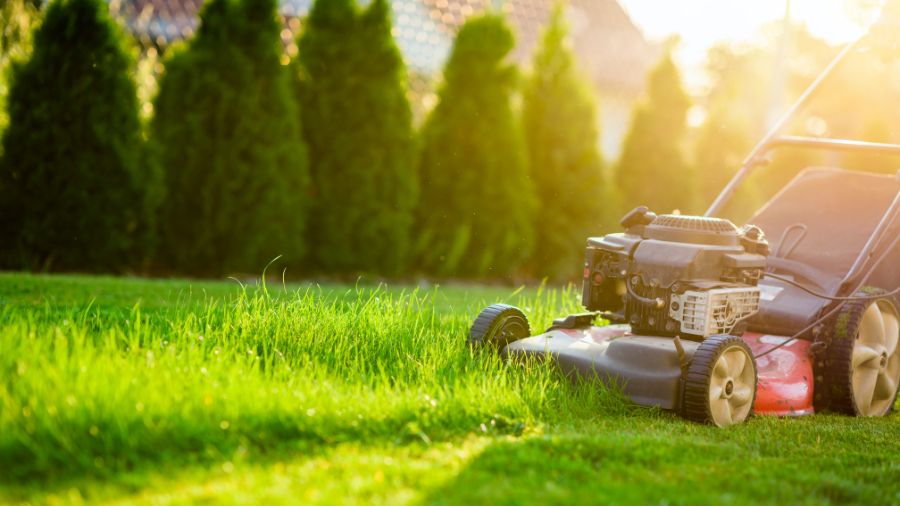
Lawn mower cutting green grass in a residential area in late afternoon light. (MariuszBlach, Canva)
(MariuszBlach, Canva)
SALT LAKE CITY — We’re starting to see more concern about how ongoing drought conditions could affect this year’s growing season. Because of that, it’s a good time to take a closer look at our landscapes and identify areas where water may be going to waste. For many homeowners, the biggest opportunity for savings is in the lawn.
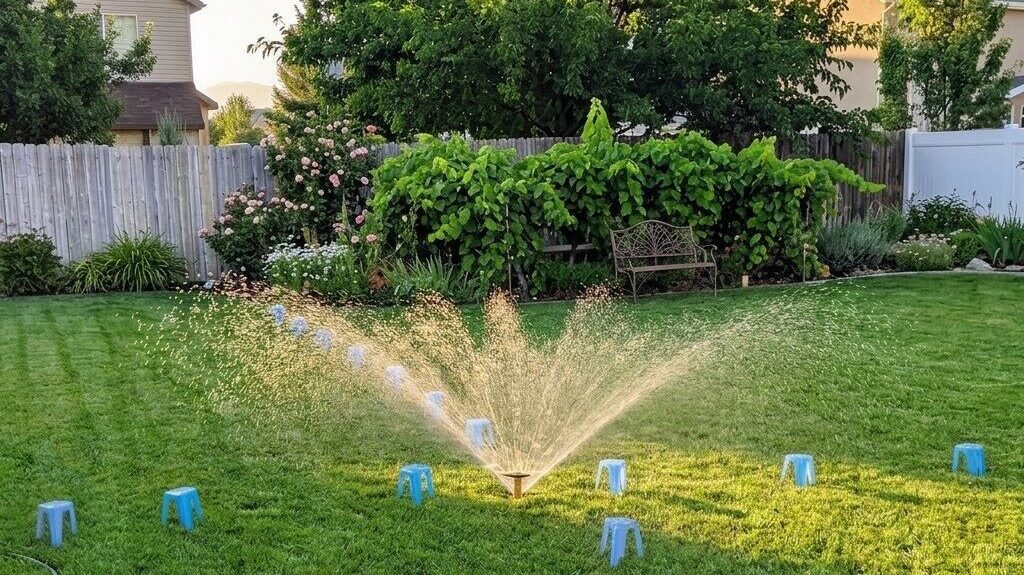
It’s very common for lawns to receive nearly twice the water they actually need. This usually comes down to things like inefficient irrigation system design, broken or misaligned sprinklers, clogged filters, or sprinkler timers that haven’t been adjusted for the season. Taking the time to fix and fine-tune these issues can make a big difference.
It’s also worth thinking about where grass is really needed. Too often, lawns are used as a default filler rather than being placed where they serve a purpose. If you have areas that only see foot traffic when you’re mowing, those spots are great candidates for change. Replacing them with water-wise options, such as mulched tree and shrub beds, can reduce water use while still keeping your yard looking great.
Even with expected restrictions that may limit water use to 30–50% of normal, most landscapes can still be kept healthy this year. Kentucky bluegrass lawns, which are very common in our area, will usually stay alive and often remain green with proper management.
The key is to water deeply and less often. When you irrigate, aim to moisten the soil to a depth of at least six inches. This encourages deeper root growth, helping the lawn access moisture more effectively and improving resistance to insect pests and diseases.
Some of you may remember when lawns were watered just once a week using flood irrigation. Even then, lawns often stayed green. That’s a good reminder that deep, infrequent watering really does work.
You may also want to check with your local water authority to see if they are considering restrictions on installing new lawns. Even if they aren’t, it’s still a good idea to look at more drought-tolerant options when planning new turf areas.
One option is a drought-tolerant lawn seed mix that combines water-wise turf-type tall fescue varieties with Kentucky bluegrass. These mixes typically use about one-third less water, while still looking and feeling like a traditional lawn. They were developed locally through partnerships with water conservancy districts, Salt Lake County, and USU Extension, and are available at many garden centers and farm stores.
Another good option is hybrid bermudagrass. Tahoma 31 is a newer, cold-hardy variety that is being strongly encouraged by water authorities and universities in our region. It typically stays green from early May through mid-October and requires about 50% less water and fertilizer than Kentucky bluegrass.
Because Tahoma 31 is still relatively new to Utah, it can be harder to find and may be more expensive. It must be established from sod or plugs, though plugs can sometimes be ordered online. With proper planting and care, it generally takes about a year to fully establish.