Emergency declared in portions of Utah after wildfires, flooding in three counties
Jul 22, 2026, 1:04 PM | Updated: 2:24 pm
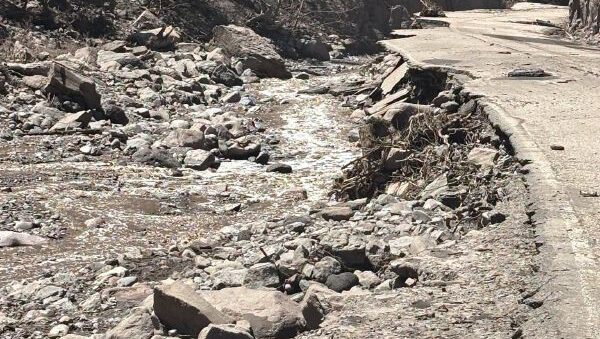
A section of state Route 153 in Beaver Canyon is washed out. Utah Department of Transportation officials said Tuesday that the canyon route is closed indefinitely because of flood damage. The governor declared a state of emergency over the flooding. (Utah Department of Transportation)
(Utah Department of Transportation)
SALT LAKE CITY — Gov. Spencer Cox has declared a state of emergency covering Beaver, Piute and Sevier counties, in light of recent wildfires and the subsequent flooding that followed them.
An emergency declaration allows the state to keep deploying resources to assist the people and businesses affected. It activates the state’s emergency operations plan.
What declaring an emergency means
In a news release, Cox said declaring an emergency for flooding and wildfires helps to ensure that recovery efforts keep moving forward.
“Utahns have endured an incredibly difficult wildfire season, and now many of these same communities are facing life-threatening flooding caused by those fires,” said Cox. “This declaration ensures we can continue providing every available resource to help local communities respond, recover and prepare for the continued flood risks that remain throughout the summer. We are grateful to the firefighters, emergency managers, law enforcement officers, public works crews and countless others working around the clock to keep Utahns safe.”
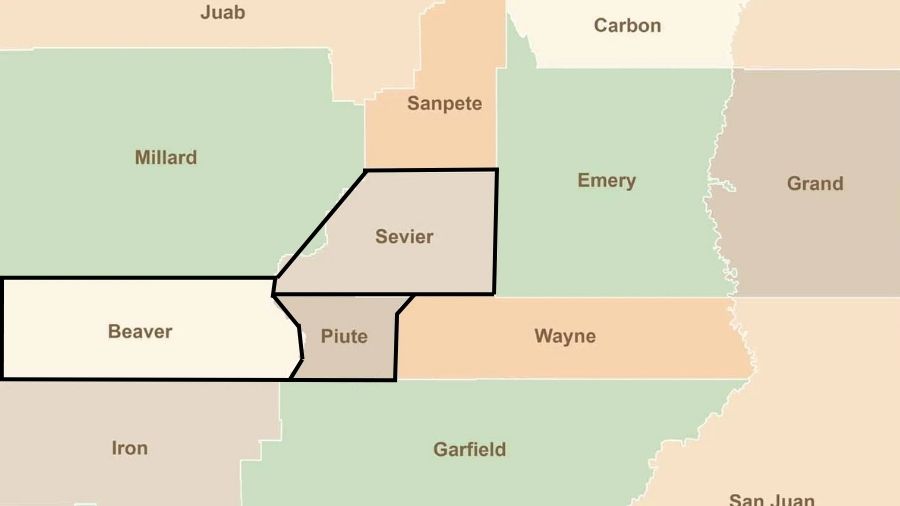
State law allows the governor to declare an emergency in the event of a disaster such as flooding, wildfire, tornado or earthquake. The current emergency declaration is set to expire in 30 days, unless the Utah Legislature votes to extend it.
Other communities prepare for flooding
Wayne County officials announced free sand and sandbags would be available at several locations for residents to use with heavy rain forecast just days after flash flooding there swept five family members away.
Earlier in the summer, Eureka asked for volunteers to help fill sandbags after wildfires destroyed vegetation, leaving the community vulnerable to heavy rainfall and flooding.
Beaver County officials used heavy equipment to help widen a channel for the Beaver River, in hopes of preventing more flooding in the Grove area. The county also declared an emergency in response to the flooding.
More flooding preparation tips
Be Ready Utah offers resources for residents to help prevent flood damage online. The site offers a search tool that allows you to find out whether your home is at risk of a flood, as well as information from FEMA on low-cost ways to mitigate flood risk around your property. It also points users toward information about flood insurance and why areas stricken by wildfires can be more prone to flooding.
Related: Flooding after the Cottonwood Fire creates new challenges in Beaver County
The Utah State University Extension Service also offers information to help prevent flooding damage. That includes information about how to properly fill and stack sandbags so they are as effective as possible.
According to FEMA, flood risk can remain elevated for up to five years after a wildfire, as vegetation begins to grow back and recover.
Read more:
- Firefighters, community honor Provo captain and family killed in flash flood
- State forester defends Utah’s wildfire mitigation efforts amid destructive fire season
- How burn scars contribute to flooding
- Family mourns loss of Beaver Mountain cabin burned in Cottonwood Fire