Deaf Utah performer, interpreter, helps kids experience favorite shows in a new way through ASL
Jul 22, 2026, 6:22 PM | Updated: 6:23 pm
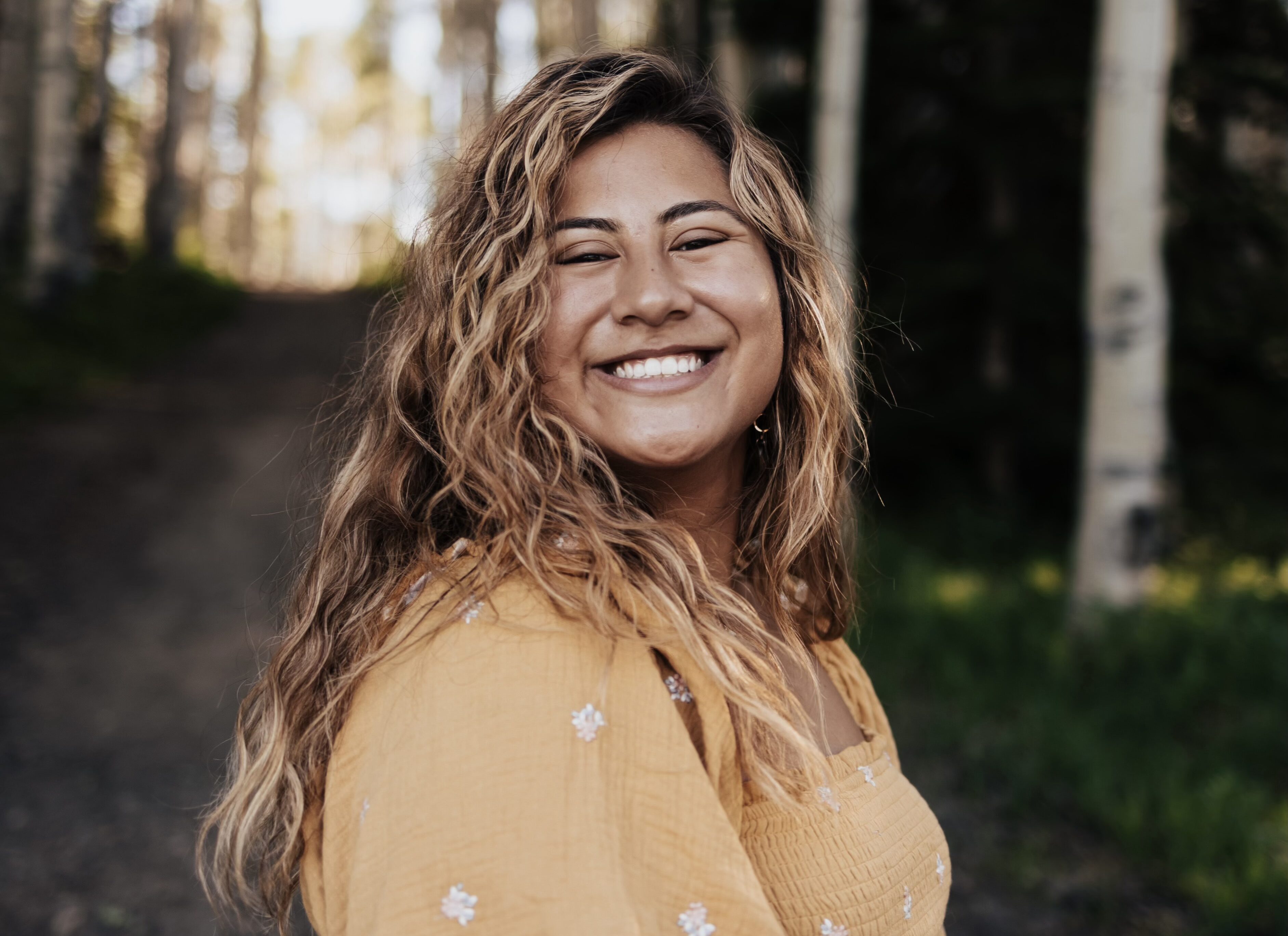
Utah's Jojo Savea is helping make children's television more accessible through American Sign Language. (Photo Courtesy: SignUp Media)
(Photo Courtesy: SignUp Media)
SALT LAKE CITY — For many parents turning on a favorite children’s show is part of the daily routine. Whether it’s singing along to “CoComelon” or settling in for an episode before bedtime, those moments often become part of growing up.
But for many deaf children, experiencing those same stories hasn’t always been simple.
Related: First diabetes website launched in American Sign Language helps address serious problem in Deaf community
Utah deaf mentor and performer Jojo Savea is helping change that.
Savea is one of the American Sign Language performers bringing popular children’s programming, including “CoComelon,” to Deaf audiences through a new partnership between SignUp Media and Netflix. The project uses SignUp Media’s browser extension to display a live ASL performance alongside supported programming, allowing deaf children to experience stories in their primary language.
For Savea, the work is personal.
She has spent the past five years working as a deaf mentor in Utah, helping deaf children and families build language skills and confidence. When she was asked to perform for “CoComelon,” she immediately thought of her younger hearing brother and sister, who are nearly two decades younger than she is.
She remembers watching them become captivated by the show and finally understanding why so many young children connect with it.
“When SignUp asked me to do this, I got it,” Savea said through interpreter Angie McSwain. “I saw why kids are drawn to it. To be part of giving deaf kids and their families access to those stories is amazing.”
More than translating words
While many hearing viewers may assume ASL on television is simply a word-for-word translation, Savea said the work is much more like acting than interpreting.
“ASL itself is its own language,” she explained. “You’ve got to figure out a way to take the signs and match the rhythm and the music and the movement. Your entire body becomes part of the performance.”
Facial expressions, body language, timing and emotion all become part of telling the story. Instead of simply signing dialogue, performers work to capture each character’s personality and energy, helping deaf children experience the same excitement and emotion as hearing audiences.
Why it matters
For Savea, the biggest impact isn’t the technology. It’s what happens when families can experience stories together.
She said deaf children have often relied on captions, which don’t always provide the same experience, especially for young children who are still developing language skills.
“I want them to finally get it,” Savea said. “Finally they can see it. They can understand what’s being said. They can understand the stories. Captions just aren’t it. Finally, the accessibility is there.”
She said one of the moments she’s most excited about is seeing deaf children watch alongside their hearing parents and siblings instead of experiencing those stories differently.
Related: Utah researchers work to help families of babies with hearing loss navigate their next steps
The broader project expands the number of children’s shows available with ASL performances, helping make entertainment more accessible for deaf families while allowing children to see their own language represented on screen.
Building connections beyond the screen
Savea hopes projects like this do more than improve accessibility. She hopes they encourage conversations and stronger connections between Utah’s hearing and Deaf communities.
“I think sometimes hearing people are afraid to talk to deaf people, and deaf people are afraid to talk to hearing people,” she said. “Don’t be afraid. Come say hi. We really do want people to learn ASL.”
She said those small interactions can help break down barriers and remind people that communication doesn’t have to be intimidating.
For families interested in learning more about the accessibility platform and supported programming, additional information is available through SignUp Media.