Worried about the future of Social Security? Here’s how experts say you can plan ahead
Feb 20, 2025, 9:00 AM | Updated: Sep 18, 2025, 2:12 pm
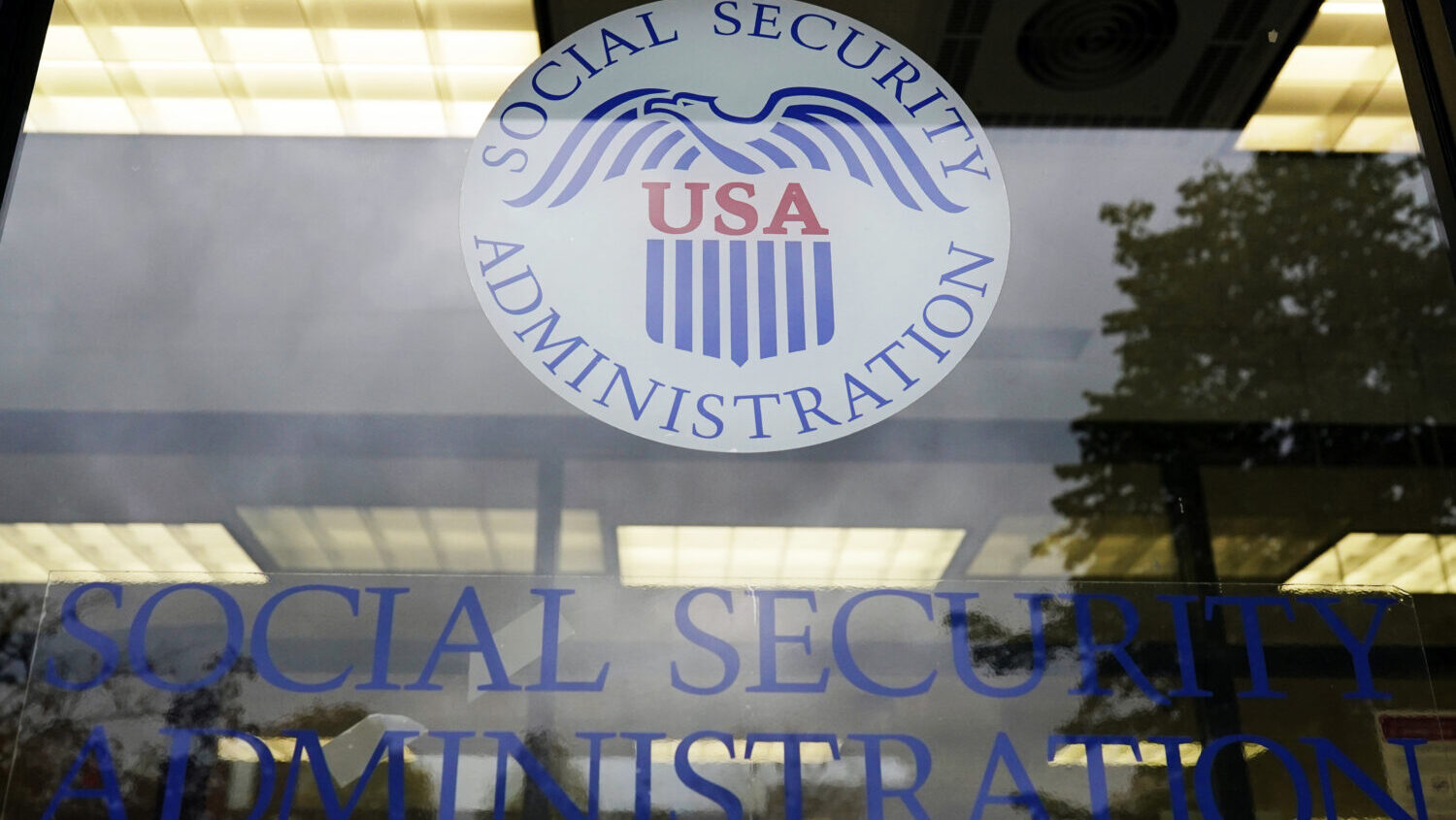
FILE - The U.S. Social Security Administration office is seen in Mount Prospect, Ill., Oct. 12, 2022. (Nam Y. Huh/Associated Press)
(Nam Y. Huh/Associated Press)

SALT LAKE CITY — The future of Social Security seems to be a blur. According to a recent study by Bankrate, 81% of Gen Xers expressed concern about not receiving their Social Security benefits when they reach retirement.
Mark Hamrick, senior economic analyst with Bankrate, said the concern aligns with the fact that for several years, elected officials haven’t taken much action to address significant problems.
“The Social Security Trust Fund is going to be depleted in 2033 unless elected officials do something ahead of time.”
Related: New Social Security chief contradicts Trump, Musk claims about payouts
“It’s really about trying to take ownership”
Hamrick said full-time and, in some cases, part-time employees can save up enough for retirement by getting an employer match through a 401(k) program.
“Make as much in contributions to that 401(k), perhaps even max out if you can. The maximum contribution in the current year for those aged 50 or younger, or 49 or younger, is $23,500. So that is a substantial chunk of money, but not necessarily so for people who have more substantial incomes.”
Hamrick said this will ultimately be helpful for everyone, not just employees who are on the younger side. For those aged 50 or older, there are catch-up contributions, which give them the option to contribute even more.
Related: Proposed bill would change how schools get property tax money
There are also traditional and Roth IRAs you can contribute to. Shane Stewart, a certified financial planner with DMBA, explained the difference between the two.
“A regular IRA is money that you put in that’s already been taxed, so the growth comes out taxable as you take it out. Whereas with a Roth, the growth comes out tax-free.”
While contributing to a Roth IRA is a great way to start, Stewart said it’s important to exercise caution when converting traditional IRAs or 401(k)s into the Roth because you will take the entire tax hit at one shot if you do so.
Another tip Hamrick suggested was checking your investments.
“Whether it’s working with an investment professional or doing it on your own, review your investment selections to see whether they’re still appropriate, whether you ought to be more aggressive or not.”
Related: Federal employee layoffs likely to impact Utah’s national parks
“A lot of people look at, let’s say age 65 (to) 67, as the destination, but the actual destination needs to be the day before you no longer need your retirement savings, which is to say you need this money for as long as you live,” Hamrick said.
Staying out of debt is key
While it helps to collect contributions, Stewart said it’s also important to get out of or stay out of debt.
“If you go into retirement with a significant amount of debt, it’s going to be harder to make that Social Security, let alone your 401(k) or IRA dollar, go even further,” Stewart said. “And so one thing that most people can do right now is just is try to limit their debt, try to eliminate it by the time they get there to use their Social Security.”
Robert Spendlove, senior economist with Zions Bank, said one potential solution to this ongoing issue is getting people back into the workforce, including retirees.
“People think of Social Security as a savings account. It’s not. Because, even back in the 1930s, people that had never paid into Social Security still got the benefit. So we need to understand that this is not a savings account. It’s a social safety net program, and we have to look at it that way.”
Related: Selling your home? Here’s what you can do to prepare