
President Trump’s proposed tariffs are already having an effect on a Utah furniture manufacturing company
Apr 24, 2025, 8:00 PM | Updated: Apr 25, 2025, 10:39 am
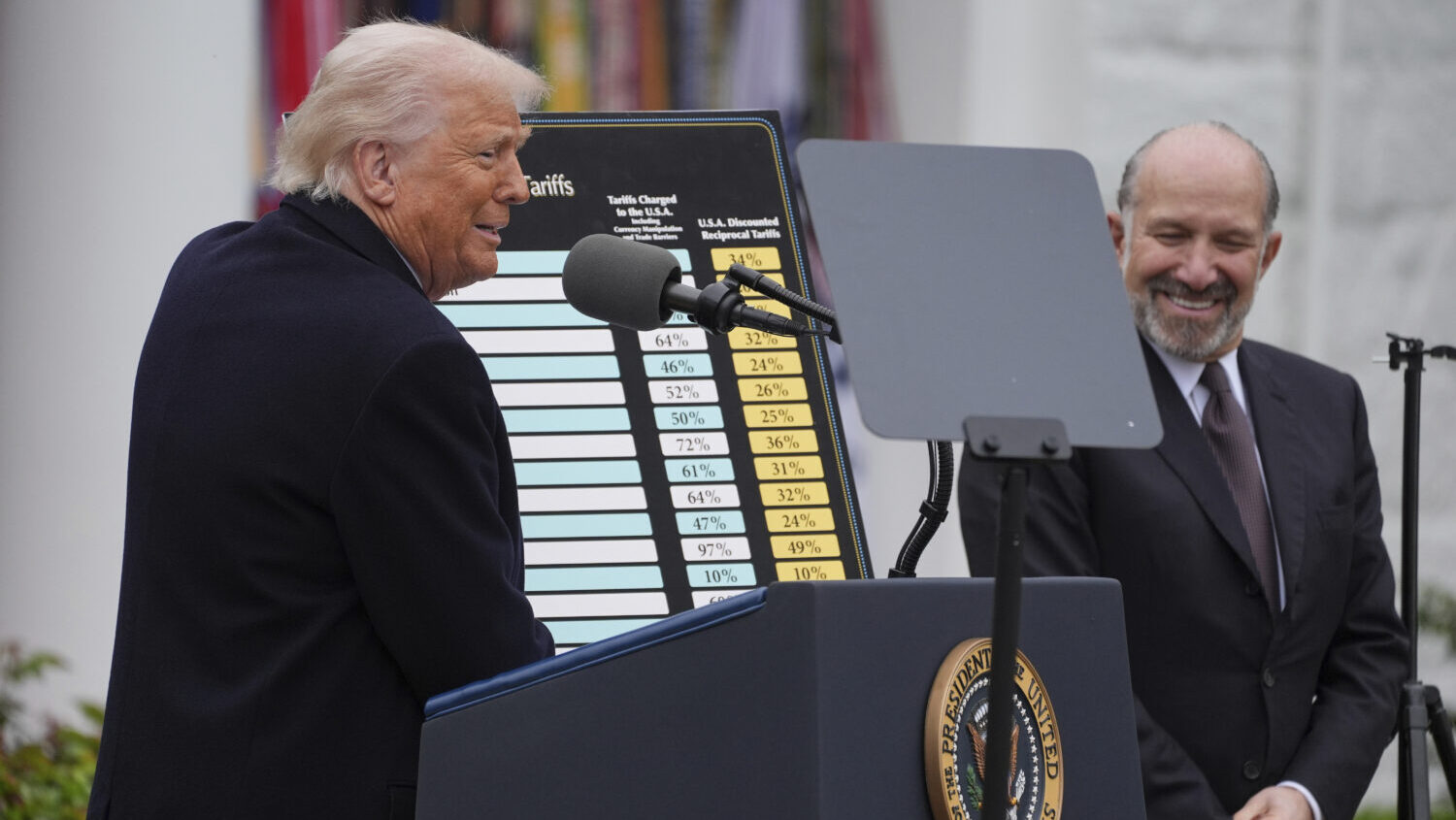
President Donald Trump speaks during an event to announce new tariffs in the Rose Garden of the White House, Wednesday, April 2, 2025, in Washington, as Commerce Secretary Howard Lutnick listens. (AP Photo/Evan Vucci)
Credit: ASSOCIATED PRESS
(AP Photo/Evan Vucci)

SALT LAKE CITY — Intermountain Furniture has been building sofas and other seating for over 100 years, but company CEO Jeff Cohen said if the proposed tariffs on Chinese goods go through, they’re going to have to make some changes.
Related: Trump limits tariffs on most nations for 90 days, raises taxes on Chinese imports
“We’ve been here for 100 years because we’re flexible. We’re able to adapt. That’s why we’re still here. I really don’t know [if this] continued for a long time what this company would look like in a in a year. But I can tell you it would be different and it would probably have less employees,” said Cohen.

(Canva)
Cohen said it’s not just a matter of finding new suppliers either.
“90% of the [upholstery] fabric in the world is actually made in China. There is one, maybe two U.S. manufacturers of upholstery fabric.”
He said that causes special problems for smaller manufacturers like his.
“Bigger companies, not like ours in Utah, can kind of get around the tariff by shipping the Chinese fabric to somewhere like the Philippines or Vietnam, and then you get them to cut and sewn there or get the upholstery made there, and then bring it in through the back door so to speak. So right now, it’s more of a how do you get the product and then how do you pay for the product, both for the cost and getting the product itself, because the tariffs themselves are really kind of an embargo to the customer if they go through a manufacturer like us.”
According to Cohen one supplier has already refused a shipment because delivery was going to cost more than when he ordered it.
“We have a fabric vendor. It’s a U.S. fabric vendor, but they get those products manufactured for them in China. He has product on the water, which he bought at one price, which is going to land at double that price with the tariff,” said Cohen. “He [the vendor] basically said, ‘Don’t deliver the product … We’re just not going to receive it.”
Related: Temu and Shein prices to rise due to tariffs
And so now, Intermountain Furniture can’t use those fabric styles, risking disappointing customers when their order can’t be fulfilled.
Cohen said what they really need is some consistency and some time to get ready.
“I understand that there’s issues with China. I understand those types of issues. I think that inconsistency and no time to react is very difficult on companies. I believe years ago, when China was made a trading partner in the U.S., it took years to meet all their requirements. My suggestion would be that it takes some time to figure out how to better that relationship as opposed to this … and I’m not quite … It’s very difficult for companies like us.”