Caring for your lawn through drought conditions
May 9, 2026, 1:49 PM
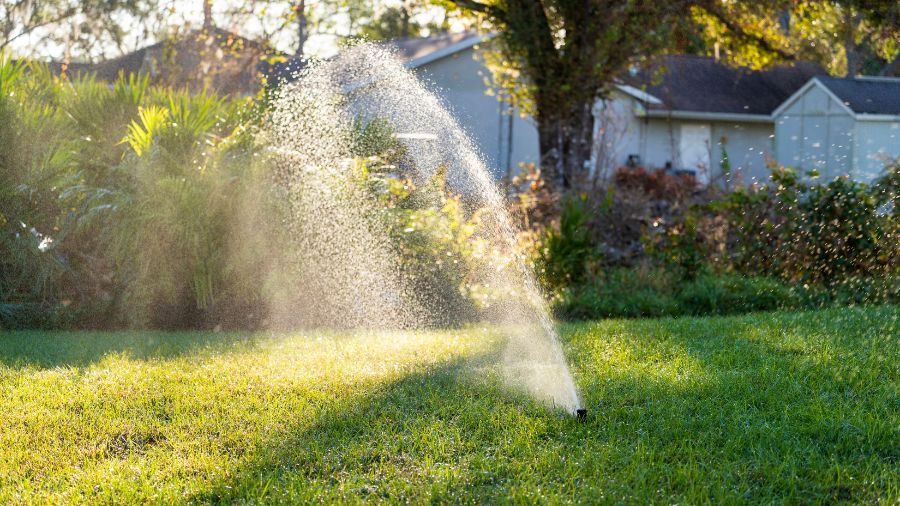
Keeping a lawn green during a drought in Utah can be hard. The KSL Greenhouse Show shared tips on the subject to help Utahns out. (Canva)
(Canva)

SALT LAKE CITY – During drought conditions, many municipalities require reduced lawn and yard irrigation. The good news is that turfgrass can adapt to less water if it’s managed properly. The key is encouraging deeper root growth, which allows the lawn to access moisture stored farther down in the soil.
Historically, lawns were often irrigated just once a week using flood irrigation, yet they remained green and healthy. Today, most homeowners rely on pressurized sprinkler systems. While these systems can make uniform water application more challenging, effective irrigation is still achievable with the right approach.
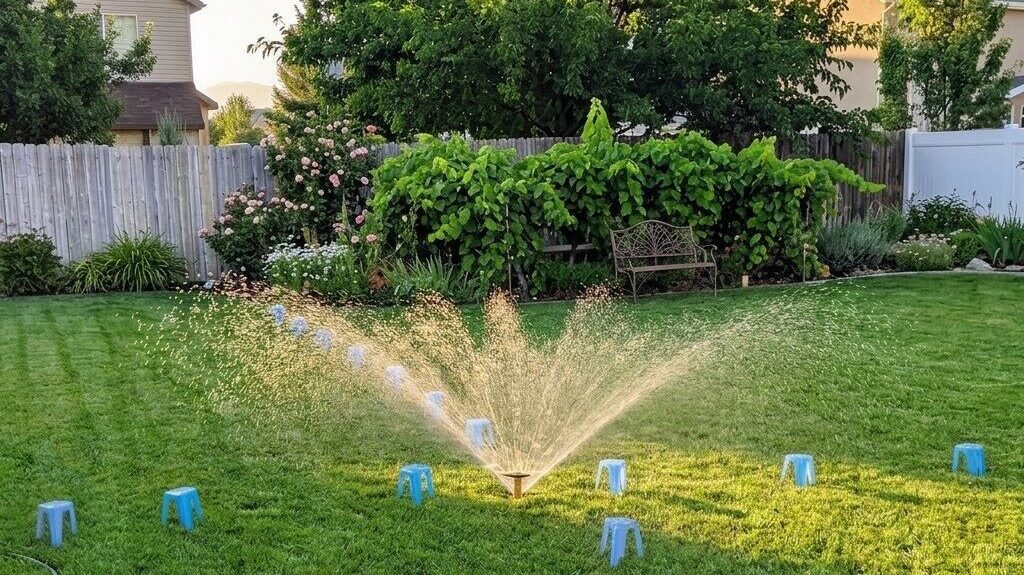
Rather than focusing on how long to run your sprinklers, aim to water deeply enough that moisture penetrates about 6 inches into the soil. As a starting point, run pop-up spray heads for about 15 minutes and gear-driven (rotary) sprinklers for about 30 minutes. Then wait several hours to allow the water to soak in.
Afterward, use a long screwdriver or similar tool to probe the soil in multiple areas of the lawn. It should push easily into the ground to the depth the water has penetrated. Adjust your irrigation timing as needed to consistently achieve this depth.
The ability to irrigate less frequently also depends on having healthy soil. Both Utah State University and Brigham Young University offer soil testing services. The soil test typically costs around $45 and will provide valuable information on soil texture, pH, salinity and nutrient levels such as phosphorus and potassium.
Understanding these factors helps you tailor your soil management practices and improve your lawn’s overall water efficiency.
If your lawn receives heavy foot traffic, consider hollow-core aeration each spring and, if needed, again in the fall. Leave the soil plugs on the lawn to break down naturally. Lawns with clay-textured soils especially benefit from annual aeration to improve water infiltration and root growth.
With proper management, lawns growing in loamy soils can remain healthy and green with deep irrigation just once per week. Lawns in sandy soils typically require watering twice per week, as do those in clay soils, due to differences in water-holding capacity and infiltration.
If you are renovating your landscape, be intentional about where turf is placed. Use it in areas where it serves a purpose rather than as filler. Many farm and garden centers offer drought-tolerant grass seed blends that maintain a soft, traditional lawn feel while using up to one-third less water.
In suitable, contained areas, hybrid Bermuda grass is another excellent option that requires up to 50% less water. Modern varieties typically green up in May and remain active until October. Local water conservancy districts and governments often offer rebates for turf removal and installing waterwise landscaping. Go to utahwatersavers.com for more information.
If you live in a community with water restrictions, thoughtful planning and proper lawn management can go a long way toward maintaining a healthy yard. However, in more difficult situations, such as when municipal water supplies are at risk, it’s best to allow the lawn to go dormant and turn brown. Turfgrass can often recover when water becomes available again, and conserving limited water resources is far more important than maintaining a green lawn.
Finally, remember that trees also require irrigation, especially when they are growing in bare soil without competing groundcover. Even established trees need consistent deep watering to remain healthy. As a general guideline, irrigate established trees about twice per month, applying enough water to moisten the soil to a depth of approximately 18 inches.
Listen: More on lawn care 👇
Read more on lawn care and Utah’s drought:
Make sure your grass is always greener
Advice on applying pre-emergent products to a lawn
Lake Powell projected to have worst snowmelt on record; Utah rivers not far behind