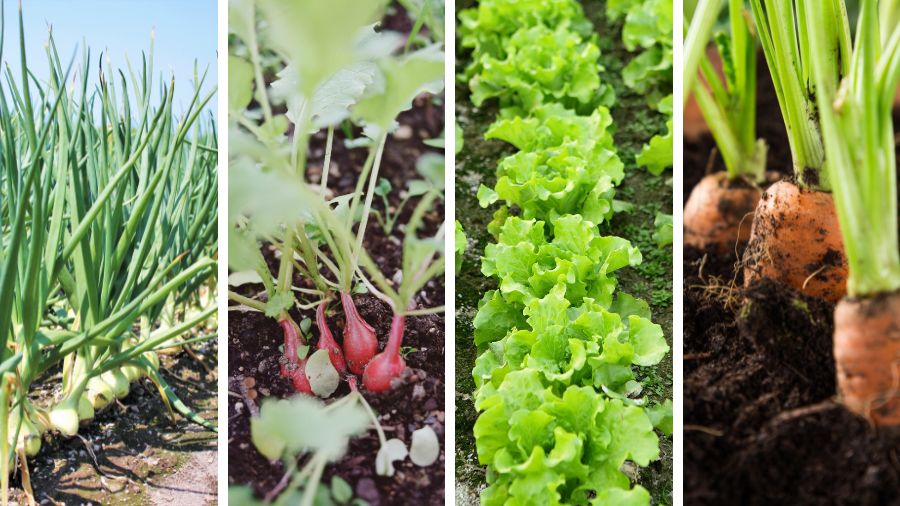
Looking for a colorful vegetable that’s easy to grow? Try beets
Jun 20, 2025, 6:00 PM | Updated: 6:18 pm

(Larry Sagers)
(Larry Sagers)

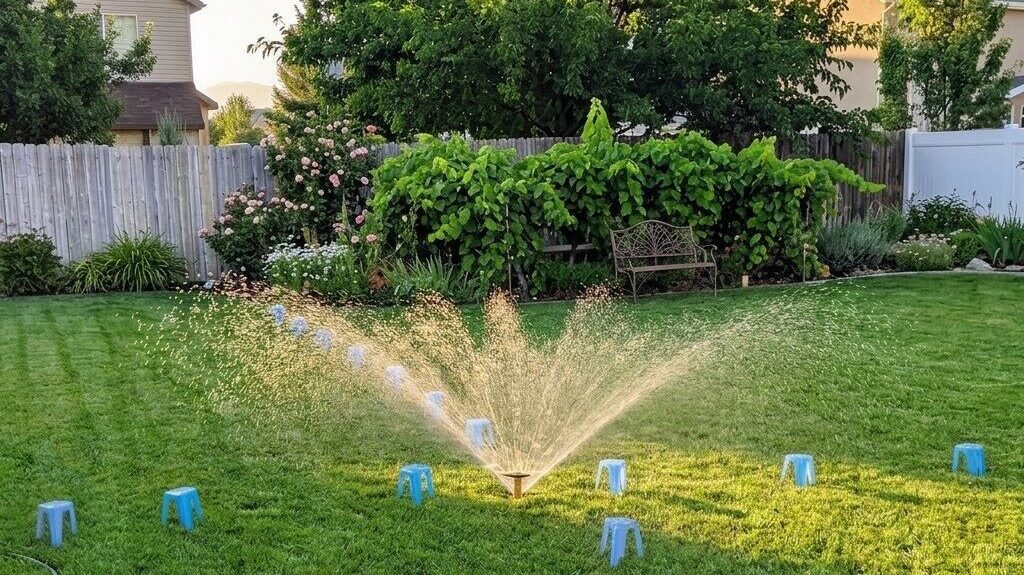
SALT LAKE CITY — Beets are among the few bright-colored vegetables often seen in salad bars. This vibrant red root crop is not only delicious but also easy to grow in home gardens.
And while beets are cool-season crops, they can be grown in the summer.
“They prefer to be germinated when it’s a little cooler, but as long as soil temperatures are not too hot, they can be germinated and grown throughout the summer,” said KSL Greenhouse Host Taun Beddes.
Most varieties take 60 to 80 days to mature, but shorter-season beets are available that are a bit smaller.
“You could plant another crop now and maybe even one in a couple of weeks if they were short season and have them mature in late summer to early fall.”
Planting the seeds
Beet seeds germinate easily because they’re on the bigger side. However, that doesn’t mean they take up a lot of space.
According to Beddes, beets only need to be spaced every few inches in the row in “soil that is sandy or rich in organic matter so that they can easily push through the soil.”
When harvested correctly, they will be between 1 and 1.5 inches wide, but they can grow slightly bigger if desired.
Instead of thinning beets right after seeding them, Beddes said you can wait for them to grow 3 to 5 inches tall first.
“When you seed your beets, you don’t need to immediately thin them. You can let them grow up and, to thin them, you just harvest the plants out and eat the greens as [they] grow.” Beddes said. “Pick one there, pluck one there so that as you harvest some of the plants to eat the greens, you’re leaving enough space for the little root to grow as wide as you need it to.”
If you cut the greens off, though, the rest of the beet won’t grow.
Water, fertilization and pests
According to Beddes, beets need to be watered two to three times a week, with about 1 to 1.5 inches of water per week.
“Water around six inches deep and then stop … Once they’re established, twice a week is plenty.”
Beets don’t require much fertilization, as overfertilizing will give you more greens and may keep the root smaller.
“1/4 cup per 10 feet of row, your rows are going to be at least 6 inches wide of [the fertilizer] 21-0-0 … So you would do that about six weeks after they were planted,” Beddes said.
The main pests to watch out for are leaf miners and caterpillars.
“There are a few others,” Beddes said. “Flea beetles can get them sometimes, and they eat on the leaves too. Once in a while, you’ll see something that’s tunneled into the roots like an armyworm or something. But they’re relatively pest-free.”
Read more from the KSL Greenhouse show:
- Benefits of using mulch in your garden and flower beds
- Gardeners, here’s how you can prepare for grasshopper season
- How to start your very own herb garden
KSL Greenhouse is live on Saturdays from 8 a.m. to 11 a.m. Follow the show on Facebook, Instagram, and YouTube.