Everything you should know about pre-emergent weed killers
Apr 12, 2025, 8:00 AM

(Canva)
(Canva)
Editor’s note: This is an editorial piece. An editorial, like a news article, is based on fact but also shares opinions. The opinions expressed here are solely those of the author and are not associated with our newsroom.
SALT LAKE CITY — I get many questions about pre-emergent weed killers. Most are about where and when they can be applied and why they may not have worked.
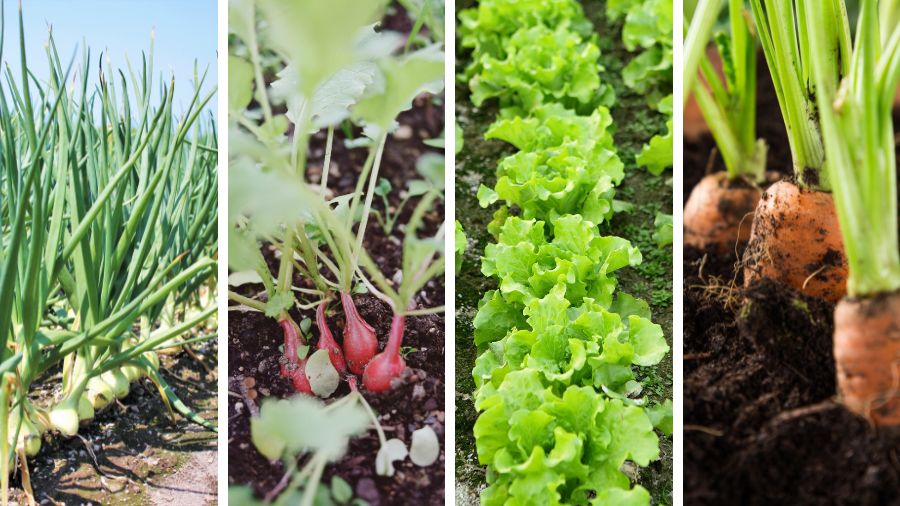
Pre-emergent products work by killing newly germinating seeds. They do not discriminate between desirable seeds such a peas, beans and carrots versus weeds. Additionally, if you plan on seeding or reseeding over the top of a lawn, consult product labels to see how long you must wait to do so. It is oftentimes several months.
Timing of application is also critical. If the weeds you are trying to prevent have already germinated, a pre-emergent will not work.
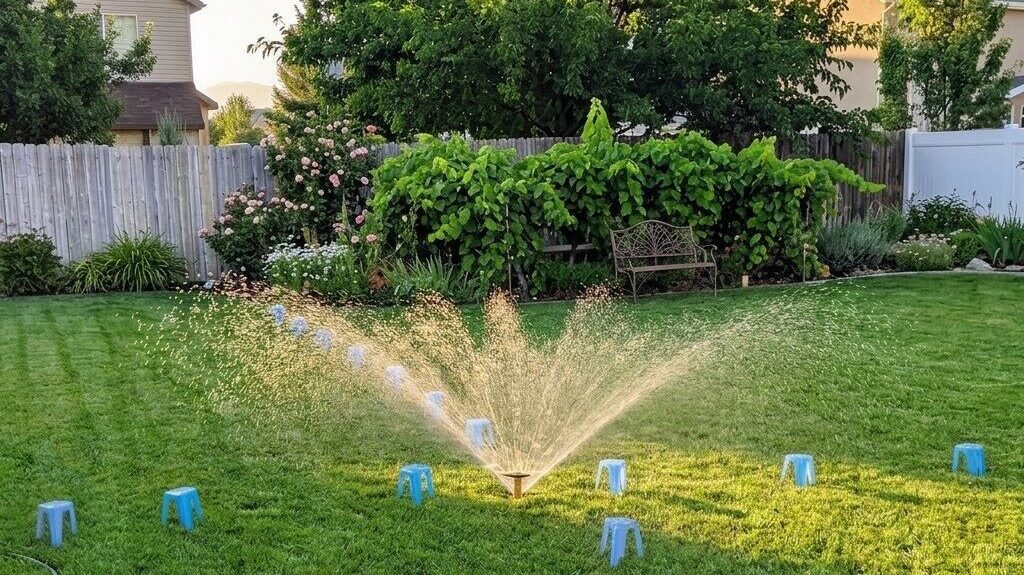
The most common use for them residentially is to prevent crabgrass in the lawn. There are many products to choose from that are applied when the shrub forsythia is in bloom. Or, if you are unsure of what forsythia looks like, the pre-emergent products are applied around the tax deadline in mid-April. They are usually bundled with a fertilizer and count for your first lawn fertilizer application.
People sometimes think that a pre-emergent application did not work because there are weedy grasses in the lawn that are assumed to be crabgrass. Unfortunately, there are many wide bladed grasses that look similar that are not crabgrass.
It is important to learn to identify crabgrass. It germinates in the spring and is at its worst through the summer. It dies after the first hard frost in the fall. Its seed heads are in the shape of a crow’s foot. If you had weedy grasses in your lawn actively growing in April and early May, they are not crabgrass.
Another thing to consider is why there are so many weeds in a lawn. This usually relates back to a soil problem, or unintentional mismanagement. Soils can become compacted with heavy traffic, especially from vehicles and heavy foot traffic. Management problems include grass regularly being cut too low, irrigation problems and over or under fertilizing.
Other common places to use pre-emergent products are in flower beds and in gardens. Products made for lawns are often acceptable to use in flower beds not containing edible plants, but consult the label of the particular product to be sure. Do not use them in vegetable gardens.
There are very few pre-emergent products labeled for use in vegetable gardens. If one is used off label, legally, you need to wait a calendar year before harvesting crops from that area again. One that is labeled for many, but not all, edible crops is Treflan. It is the active ingredient in the name brand Preen. Versions containing this active ingredient are also sold by other companies that are sometimes less expensive. Consult with your local garden center or hardware store to see what is available.
A non-pesticide option in flower beds and vegetable gardens includes the use of mulch. A mulch cover of 2 to 3 inches prevents most weeds from germinating.
Keep in mind the pre-emergent herbicides, as well as other pesticides, can be dangerous to humans, pets and the environment, especially when misused. Always consult the label for any safety measures that need to be taken, re-entry intervals and use restrictions. Please always consider non-pesticide alternatives.
Read more from the KSL Greenhouse show:
- KSL Greenhouse Show: Controlling pocket gophers
- Don’t have the space? Try small space gardening
- Dwarf fruit trees may be a good option for smaller yards
KSL Greenhouse is live on Saturdays from 8 a.m. to 11 a.m. Follow the show on Facebook, Instagram, and YouTube. You can also find more gardening info on our linktr.ee.