Hypothermia, heat stroke possible during Memorial Day weekend
May 23, 2025, 8:00 AM

A member of Utah County Sheriff Search and Rescue packs up his equipment into his car after a rescue of rock climbers in American Fork Canyon on Sunday, Sept. 29, 2024. (Brice Tucker/Deseret News)
(Brice Tucker/Deseret News)
SALT LAKE CITY — Even with nicer weather on the horizon, Utah’s search and rescue teams expect to stay busy this Memorial Day weekend, treating everything from hypothermia to heat stroke.
Temperatures are expected to stay in the upper 70s and lower 80s in northern Utah and rise into the 90s in southern areas.
While this is relatively mild weather, Utah County Search and Rescue reminded Memorial Day travelers that there is still snow in the mountains that can cause hypothermia.
Heading to the mountains
“There’s still snow up at the higher elevations and sometimes people forget that,” said Sgt. Dallin Turner. “They aren’t dressed properly as they get up higher on that mountain, the weather changes for sure.”
They have had many rescues where hikers were not prepared for the snow. They either got wet and developed hypothermia or slipped on the ice due to improper shoes.
In some cases, visitors can fall through melting ice bridges into running water.
“It is always a concern when it’s kind of early summer-late spring, where it’s still getting cold at night, freezing maybe up there in the higher elevations, but then the sun hits it and it kind of creates a weaker layer of the snow,” Turner said. “We have runoff running beneath a lot of those snow areas that people just don’t realize is under there. So they go walking across the snow fields and next thing they know they’re falling into a crevasse and they’re kind of stuck under the snow.”
For those planning to hike up Mount Timpanogos this Memorial Day weekend, he suggested bringing proper footwear, proper equipment, and extra layer of clothes and even an ice axe.
“Just make sure you’re comfortable with your skill set and your skill level,” Turner said. “If you don’t feel like it’s a safe route, maybe you have to turn around and go down and not make it to the summit yet this year.”
Heading to the valleys
Heat-related illnesses are still possible in 70-degree temperatures.
“Heat stroke or just dehydration is a big one. We see people think, ‘You know it’s warm, but it’s not terrible. It’s not 90+, 100 degrees, I shouldn’t need too much water, I’ll be okay,'” Turner said.
Staying hydrated with water and electrolytes is key in preventing dehydration and other heat-related issues.
Extra liquid is especially important for those planning to travel into southern Utah, where temperatures are expected to rise near 95 degrees on Monday.
“Be prepared with enough liquid and water to keep you hydrated,” he said. “And having that extra set of clothing in case you do get into some colder temperatures or into some snow, you got something to layer up with.”
Heading to the lake
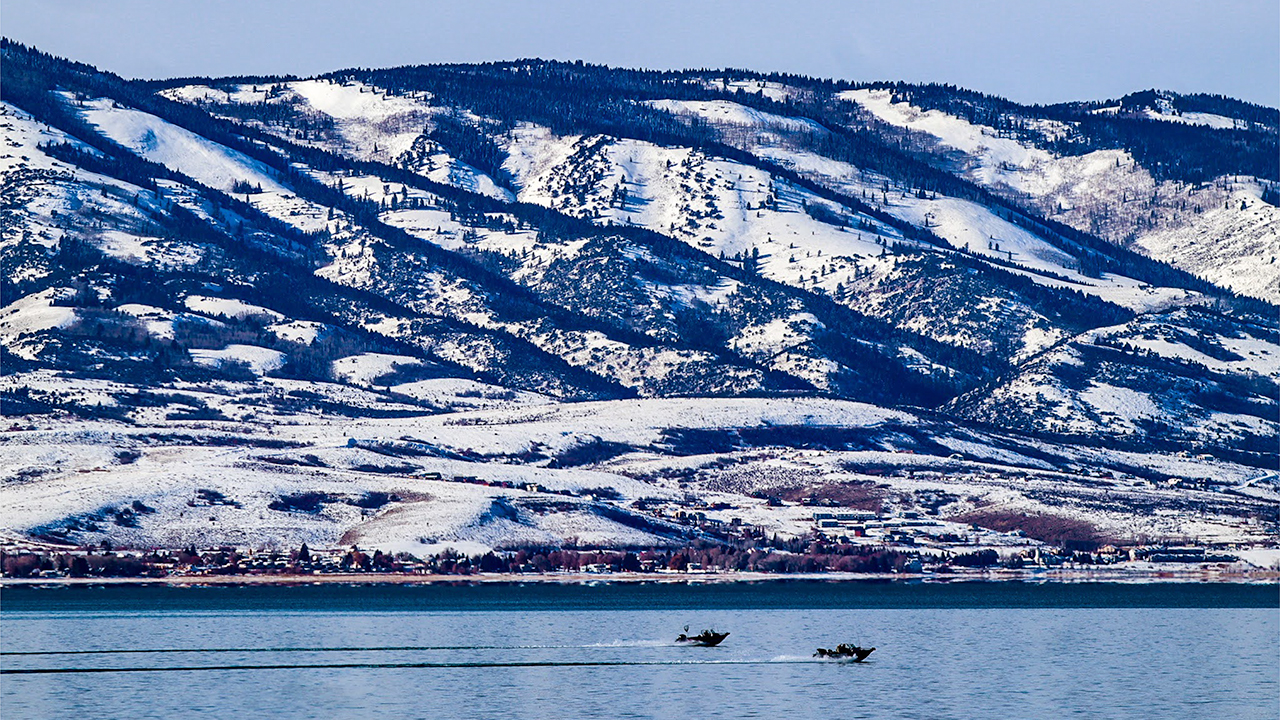
Utah Lake has historically been a common area for SAR to respond during Memorial Day weekend.
“Utah Lake is always a popular spot as the weather is warming up and people want to get their boats out for the first trip and it’s close and convenient,” said Turner. “Then sometimes, the weather changes rapidly and we get the afternoon wind storms going on, and it becomes kind of a dangerous lake due to how shallow it is and waves and people just aren’t prepared for that change in the weather and so we tend to be out on Utah Lake quite regularly.”
Some safety tips include checking the weather forecast before hitting the lake and being prepared with emergency supplies.
Utah County SAR is ready for the weekend
Utah County search and rescue teams have already been preparing for Memorial Day weekend with training exercises, and they are ready for any calls that come.
“Our volunteers are always on call. We got our 60-member volunteers, and they’re anxious and waiting for the call,” Turner said. “I think they are expecting at least one call out … and they’re just excited to be called and ready to go.”
The best preparation for any outing is to do some research, create a plan, share it with someone else and check in at a designated time.
A plan should include when you’re going, how long you are planning on staying, when you will be back, and when you will check in.
In any case, they would rather have someone call with a false alarm than wait for the emergency to get worse.
“We prefer you know instead of people waiting or hesitating to call us,” he said. “Give us a call early on so we can get out there and get you taken care of before the weather changes or temperatures drop … We like when we get the early call, then they’re kind of a false call because then we know that everybody is okay.”
Related:
- Hiking alone? Pack these essentials
- 60,000 passengers expected to depart SLC Airport ahead of Memorial Day weekend