Researchers question time spent approving search warrants. Utah Judiciary disagrees with conclusions
Apr 24, 2026, 5:07 PM
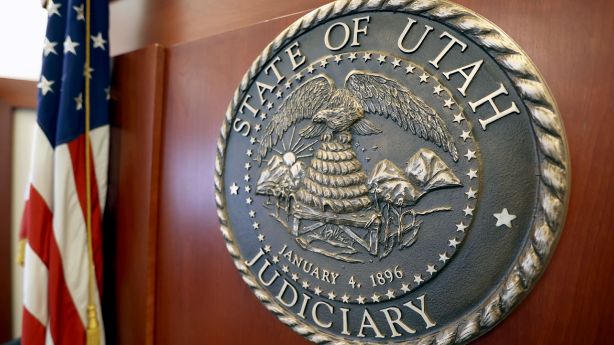
FILE: Members of the Utah Judiciary are questioning the results of a Harvard study that found judges aren't spending enough time reviewing no-knock warrants before approving them. (Kristin Murphy, Deseret News)
(Kristin Murphy, Deseret News)
SALT LAKE CITY — A new study suggests many search warrants signed off by Utah judges are not being given enough time or attention before they’re approved.
Researchers published their findings in the Harvard Law Review, where they reported that 93% of more than 33,000 search warrants were approved the first time a judge reviewed them. The researchers also found that it only took judges an average of three minutes to sign off on the warrant.
The study authors also concluded that, in many cases, the judge didn’t fully read the warrant or didn’t read it carefully enough. They cite how long and complex some of the warrants were in making that conclusion.
In their introduction, the Harvard researchers noted two cases in the United States which they said demonstrated that stronger judicial scrutiny is needed before search warrants are approved.
The first example they used was Breonna Taylor, who was fatally shot by police in Louisville, Kentucky, in 2022 while they conducted a no-knock raid of her apartment. They were looking for drugs, and specifically, her ex-boyfriend.
Taylor’s then-current boyfriend fired at the officers, believing they were intruders. When the officers fired back, Taylor was shot eight times.
The second example is a no-knock police raid in Minneapolis that resulted in the fatal shooting of Amir Locke, who was not a suspect. He is reportedly seen on video camera footage holding a gun, but not firing it. He, too, was fatally shot by police.
The study authors claim that there were errors in both the Taylor and Locke cases that should have been caught in the judicial review that preceeded the issuing of the no-knock search warrants.
The research results concerned retired Unified Deputy Police Chief Chris Bertram.
“This study is just a reminder, because, the Fourth Amendment is so important, and it’s important that law enforcement does an exceptionally good job,” Bertram said.
The Fourth Amendment to the U.S. Constitution is a protection against unreasonable search and seizure by the government. Among other things, it requires warrants to be supportd by probable cause and for them to specifically describe a place or items involved in the search.
The Utah Judiciary, the judicial branch of Utah government, said in a statement to KSL that there were some inaccuracies in the report as well as problems with the methods used in the study.
“The Utah Judiciary is aware of the article published in the Harvard Law Review and engaged with the authors early in their research process,” the statement read.
“We raised specific methodological concerns and identified inaccuracies in the underlying data almost a full year before the article was published. We also provided feedback and suggestions for how to improve the accuracy of the datah,” the statement continued. “However, the authors opted not to make the corrections that we suggested. Our own data indicates that judges spend an average of approximately 12 minutes reviewing each warrant.”
Other reading: Fire crews fight ‘human-caused’ fire near Nephi