Utah SAR volunteers spend their own money to save lives. Here’s how you can help
Jul 23, 2026, 5:20 PM | Updated: 5:23 pm
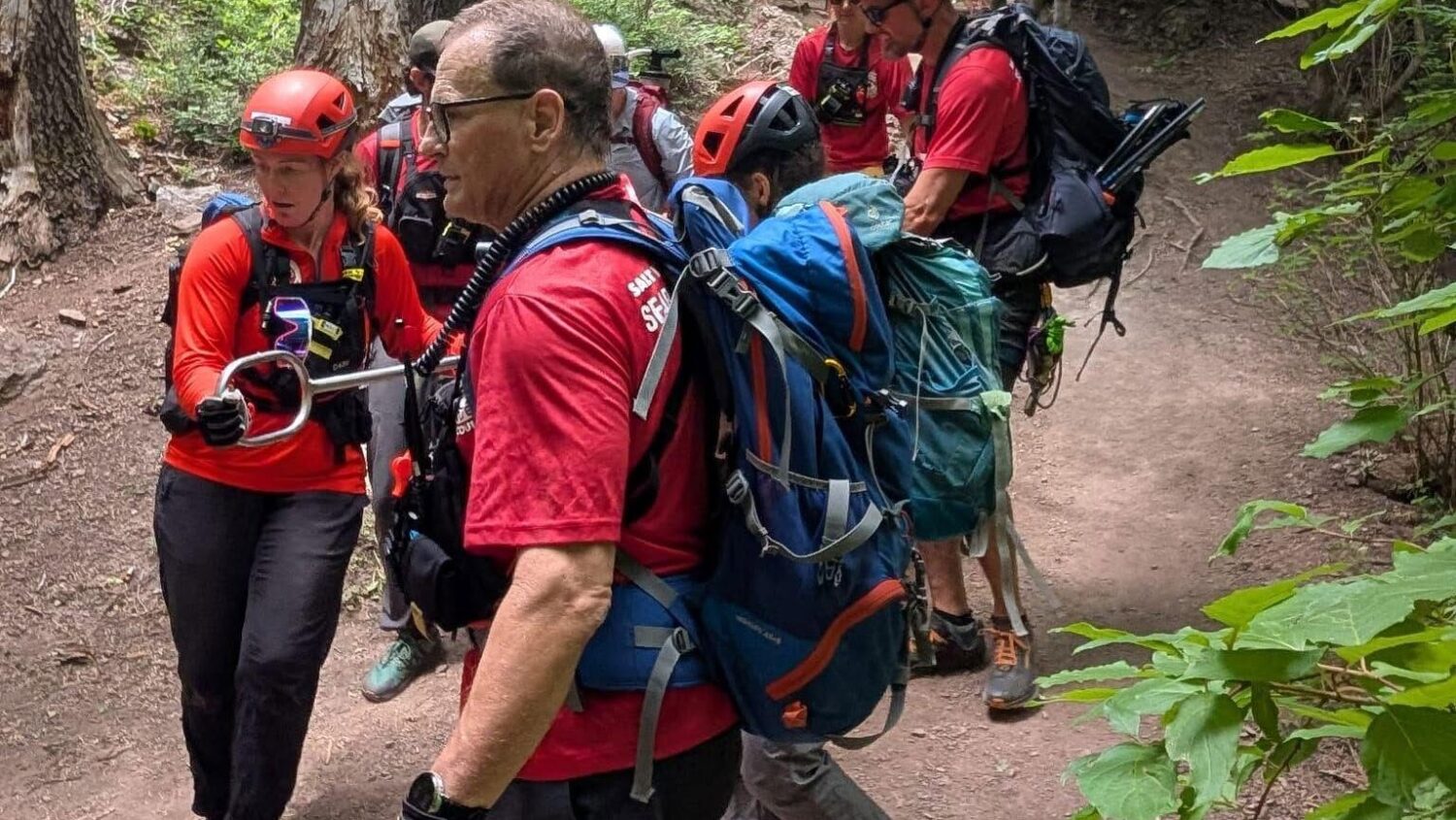
It's been a busy summer for SAR crews across Utah, and when teams head out, in many instances they're doing it largely on their own dime. (Salt Lake County Search and Rescue)
(Salt Lake County Search and Rescue)
This story was adapted from a radio broadcast script using artificial intelligence. Every story, including those adapted with AI, is reviewed by a human editor before publication to ensure that KSL’s editorial standards are upheld.
HEBER CITY — It’s been a busy summer for search and rescue, SAR, crews across Utah, and when teams head out, they’re doing it largely on their own dime.
Every search and rescue team member in the state is a volunteer. They hold other jobs, support families and drop everything when a call comes in. What many Utahns don’t realize is that those volunteers are also buying much of the equipment they use to save lives.
A truck, a trailer, a snowmobile — and $500 boots
Wasatch County Search and Rescue Commander Kam Kohler said during a winter search, it is not unusual for a single volunteer to show up with a truck, trailer and snowmobile — as much as $150,000 worth of personal gear donated to the effort.
Related reading: Utah SAR teams urge preparation as heat, storms prompt rescues
“It’s expensive to be part of SAR because there’s a lot of expenses that are not covered,” Kohler told KSL NewsRadio’s Brightside. “Until you’re a SAR member, you don’t realize, ‘Oh, we don’t pay for that,’ and ‘Oh, we don’t pay for that.'”
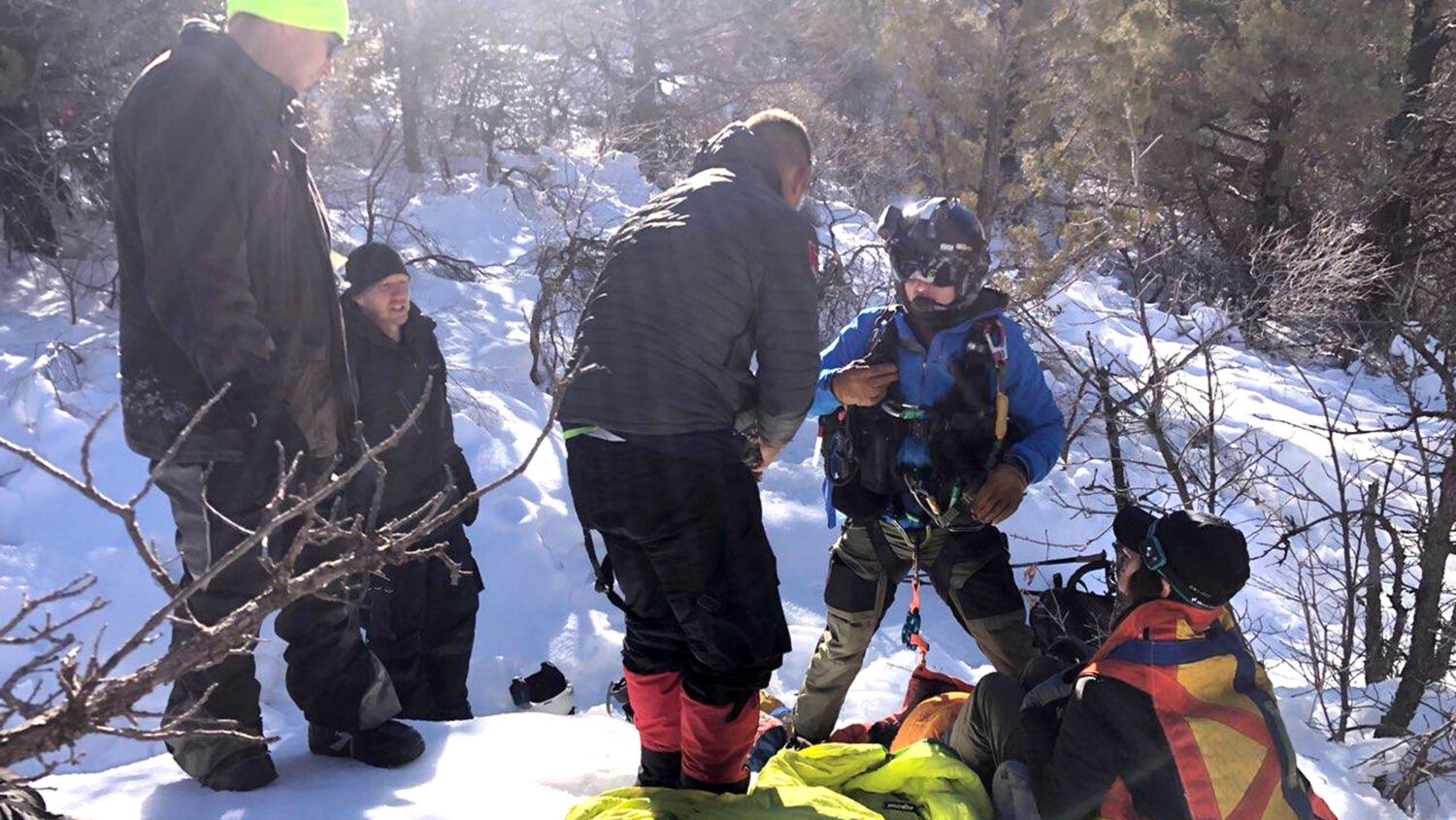
Utah Department of Public Safety prepare to hoist a victim with the help from Washington County Search and Rescue Monday, Jan. 10, 2022. Deputies hike in the last mile to reach a woman stuck in the snow in the Kolob Canyons region of Zion National Park. (Washington County Sheriff’s Search and Rescue)
Even basic gear isn’t supplied. Kohler said volunteers are required to wear high-quality Gore-Tex boots that retail for about $500 a pair — and they must buy them out of pocket.
He recalled a winter rescue years ago during a rain and snow storm when his team returned soaked through their gear at a mountain command post.
“I said to the sheriff at the time, ‘We wouldn’t do this with any other department in the county. Why are we doing it here?'” Kohler said. “Because when my guys go out … he leaves ready to stay 24 hours because we don’t know.”
‘Well over a million dollars’ rolling up the mountain
With a standard response team of 12 and a roster of more than 30 volunteers, a winter callout in Wasatch County can put well over a million dollars of personal, private property on the line — all to rescue someone in need.
“That is the norm statewide,” Kohler said. “There’s a lot of search and rescue members hearing this radio broadcast and they’re going, ‘Yep, I’m paying a lot of money for my own assets to show up and participate in a rescue.'”
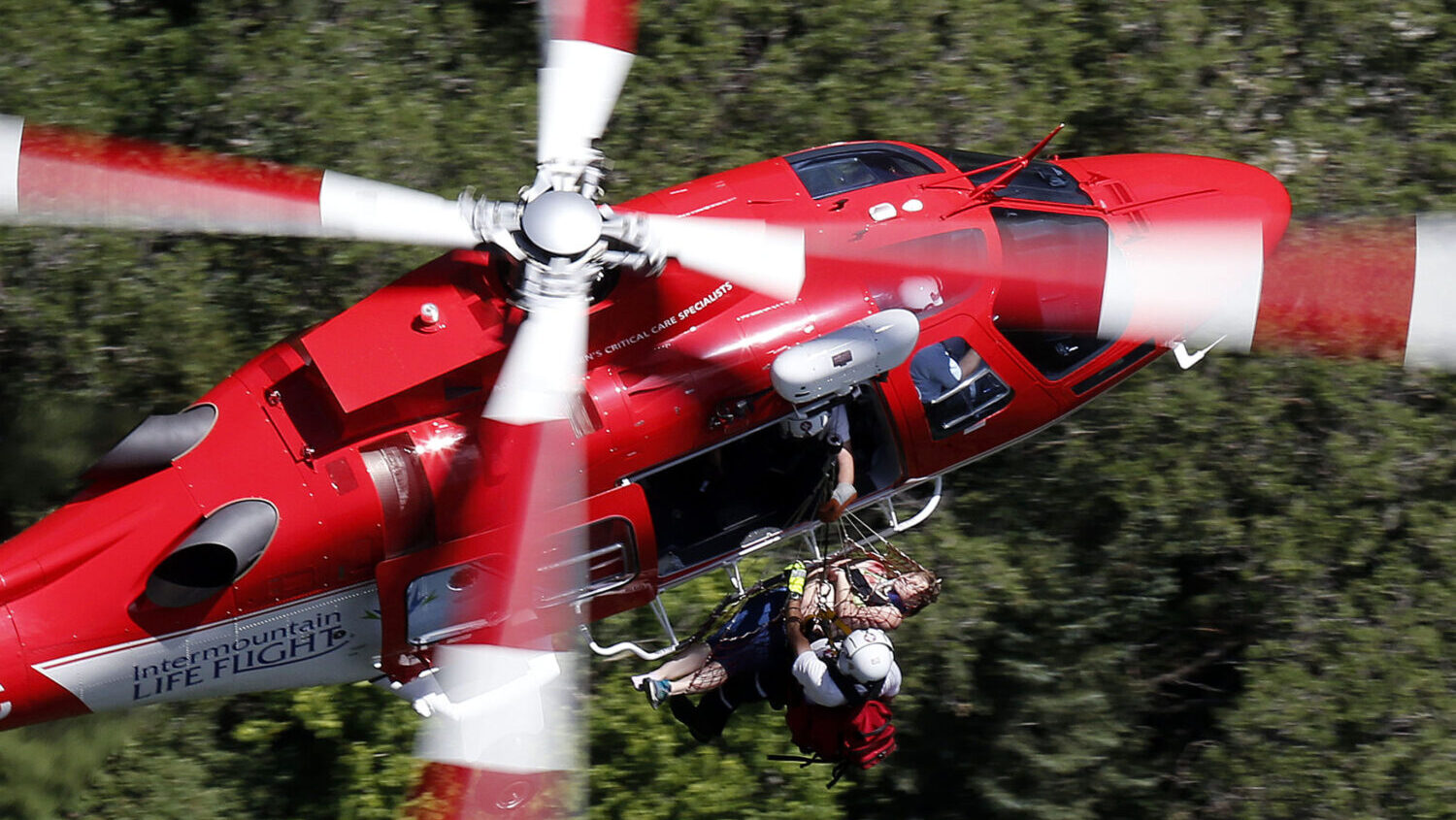
An 18-year-old female is hoisted by Life Flight after falling at Lisa Falls in Little Cottonwood Canyon on Wednesday, July 6, 2016. (Ravell Call, Deseret News)
Statewide, SAR operations cost more than $2 million per year, with $700,000 to $900,000 in reimbursable expenses alone, according to Utah’s Division of Emergency Management.
More than ‘guys on four-wheelers’
Search and rescue work goes far beyond driving trails and calling out a lost hiker’s name. Wasatch County volunteers train in high-angle cliff rescue, swift water rescue and master diving, Kohler said.
That level of expertise is necessary, he said, because the people who end up needing rescue often don’t expect to. Kohler said common refrains from those his team pulls out of dangerous situations include, “I’ve done this trail before,” or, “I do this all the time.”
“It actually happens quite often where they were doing something that they expected to just go smooth and then something changed,” Kohler said.
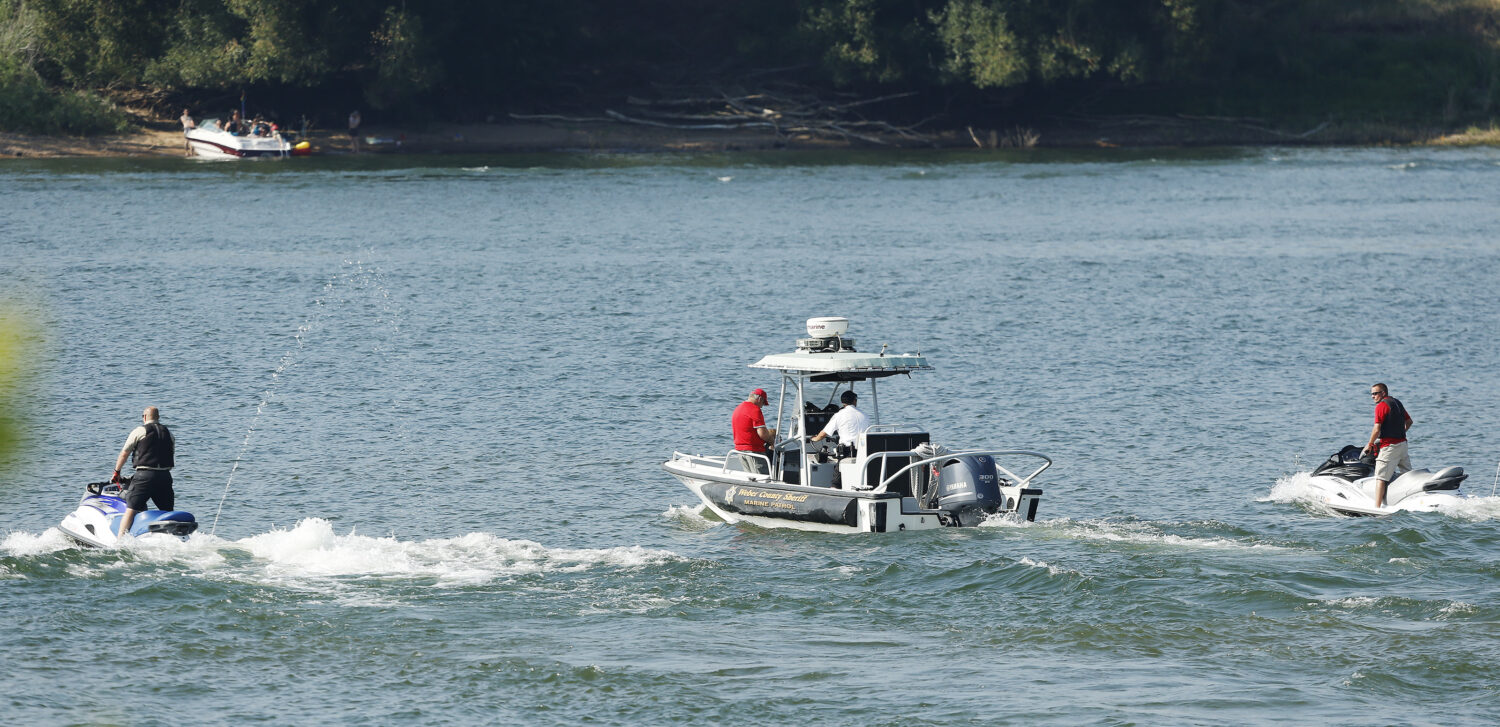
Weber County search and rescue crews transport a body found in the water at Anderson Cove on Pineview Reservoir on Saturday, July 19, 2014. The body was discovered by fisherman near the shore. Jeffrey D. Allred, Deseret News
Whether it’s a flash flood, a sudden storm or a 50-degree temperature drop, conditions can shift quickly for unprepared recreationists.
“The beauty about SAR is we don’t have to pass judgment,” he said. “We’re there to help somebody who was in need enough to call 911 and say, ‘I need help.'”
Fundraising history: demolition derbies and golf tournaments
The funding challenges aren’t new. Kohler said Wasatch County SAR raised its own money for 44 years through demolition derbies and golf tournaments. But as the Wasatch Back grew into a recreation destination, the call volume reached a tipping point.
Related: Body of hiker found after lightning strike, fall
“Should I have one of my SAR members leave his job to raise money, or to save a life?” Kohler said. “It was that simple.”
He said Wasatch County Sheriff Rigby has been “phenomenal” at supporting search and rescue needs, and the county has been able to upgrade equipment. But even with that support, significant personal costs remain — and many counties across the state aren’t as well funded.
How you can help
Because of the increasing costs of search and rescue operations, officials created the Utah Search and Rescue Assistance card. Individual or family “memberships” are available, as is a multi-year card.
It doesn’t mean you pull that card out of your wallet if you have to call search and rescue. It doesn’t give you preferential treatment. But if you are involved in a search and rescue operation, non-medical costs associated with the rescue may be reimbursed.
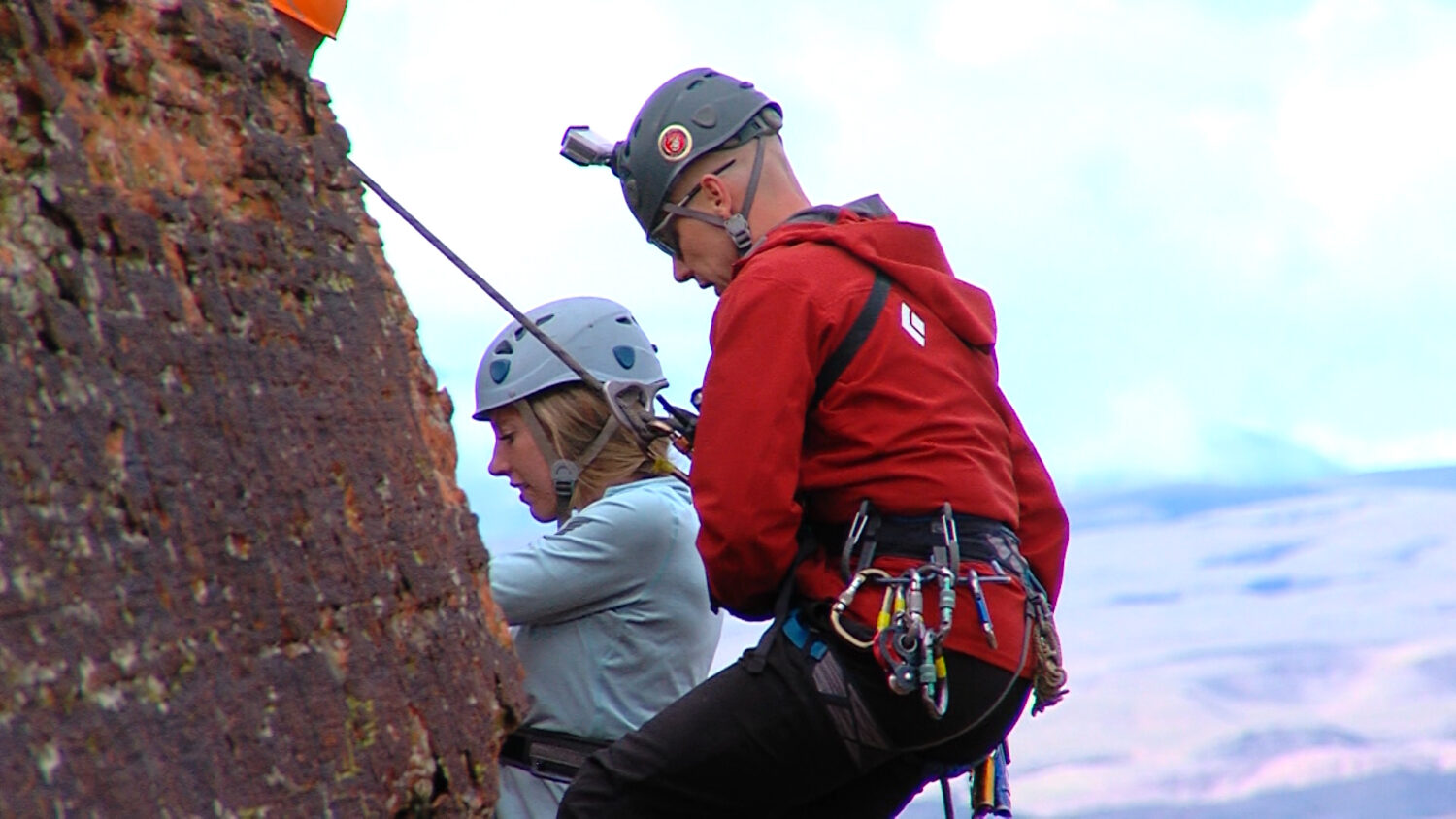
Brittany Fisher rappelling down Cougar Cliffs in St. George with a Washington County search and rescue team member, Saturday, March 12, 2016, (KSL Screenshot)
You can donate to a state-administered fund at the USARA webpage. County sheriff departments can submit hard costs to the fund from a search, including fuel, food, and broken equipment and receive reimbursement from the fund.
The fund is additionally financed by surcharges on recreational vehicle permits and hunting and fishing licenses, though those revenues cover only a fraction of total costs.
“This money is put to good use,” Kohler said. “There’s a lot of counties that are really underfunded. This fund goes statewide and it’s designed to help pay the actual cost of search expenses.”