Utah’s largest wildfires have already cost nearly $40 million to fight as officials warn prevention remains key
Jun 30, 2026, 6:38 PM | Updated: 6:58 pm
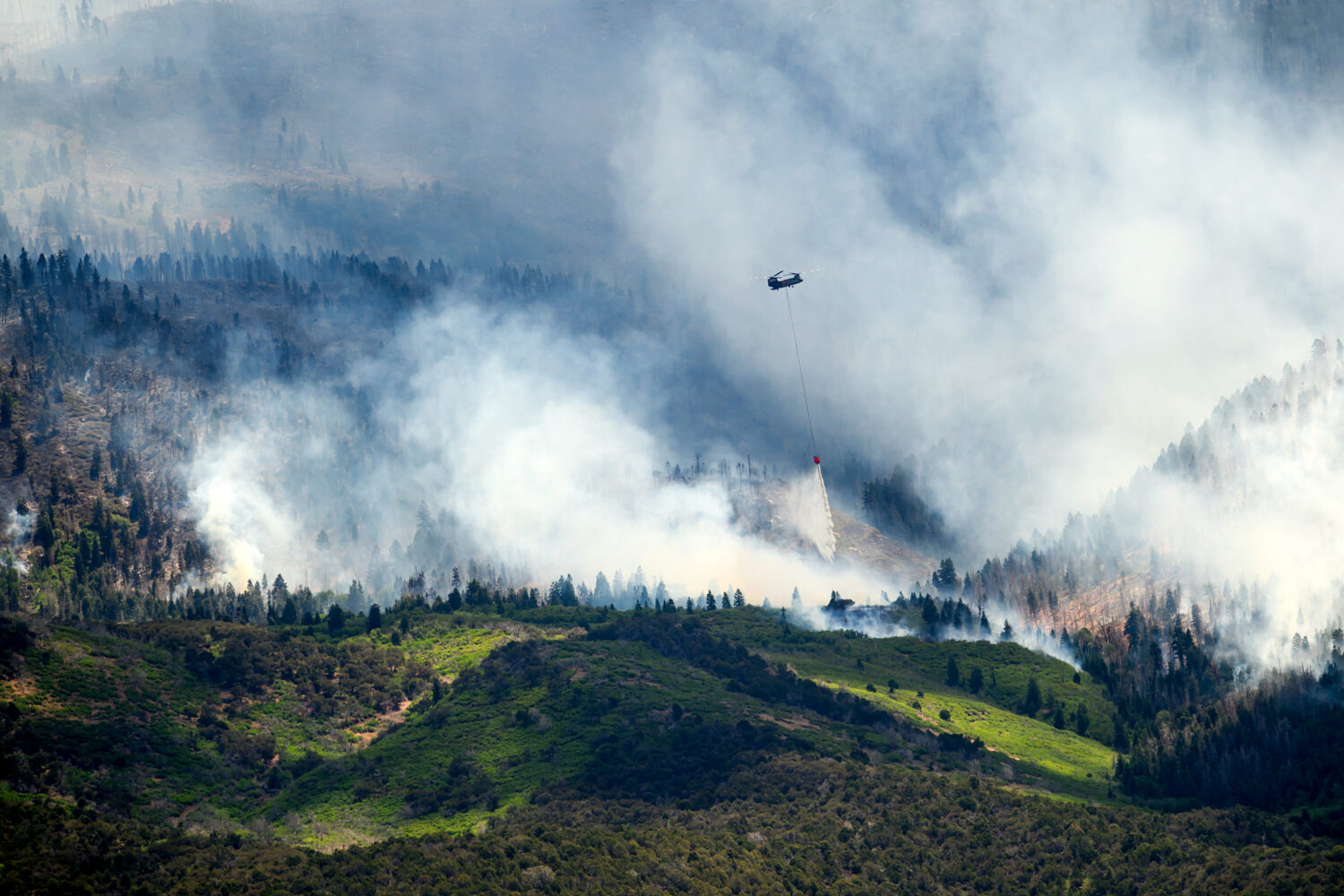
A helicopter drops water on the Cottonwood Fire burning near Beaver, Utah, on Saturday, June 27, 2026. (Noah Berger, Associated Press)
(Noah Berger, Associated Press)
SALT LAKE CITY — Fighting Utah’s largest wildfires has already cost an estimated $40 million this season, and state officials said that number will continue climbing as crews remain on the fire lines.
New estimates from the Great Basin Coordination Center show Utah’s seven largest active wildfires have accumulated roughly $40 million in suppression costs. The Cottonwood Fire accounts for the largest share at an estimated $21 million, followed by the Iron Fire at about $9.3 million.
Related: Generations-old family ranch among the 150 structures destroyed by the Cottonwood Fire
Kelly Wickens, a prevention and communication specialist with the Utah Division of Forestry, Fire and State Lands, said those estimates are expected to change because many of Utah’s largest fires are still active.
“Many of them are still burning, and those numbers will continue to increase as we have firefighters out on the line still working,” Wickens said.
Those figures represent the cost of fighting the fires, not the damage they leave behind.
“It’s mainly suppression costs,” Utah State Forester Jamie Barnes told KSL. “So [that includes] anything that we’re using to suppress that fire. All of the firefighters, the aviation, everything that we’re using to get that fire put out on the ground.”
The cost of Utah’s large fires
As the fires grow larger, Barnes said the cost of containing them rises quickly.
“The big thing that we’re seeing this year is the size of those fires,” she said. “You’re ramping up resources. You’re ramping up aviation. You’re ramping up the number of personnel assigned to that fire, and so the costs of that fire are going to increase.”
A helicopter drops water on the Cottonwood Fire burning near Beaver, Utah, on Saturday, June 27, 2026. (Noah Berger, Associated Press)
Related: Earlier monsoon season likely won’t be enough to tame Utah wildfires completely
Barnes said large fires often become more expensive because they spread across multiple jurisdictions, requiring state, local and federal agencies to work together while bringing in additional personnel, aircraft and equipment.
The Cottonwood Fire as an example
The Cottonwood Fire shows how quickly those resources can add up. At the height of the response, more than 1,100 personnel were assigned to the fire alongside aircraft, engines and heavy equipment.
Wickens said fire officials are continuing to calculate suppression, rehabilitation and recovery expenses as incidents evolve.
“What I’ve provided for you right now is the best up-to-date information we have,” she said.
Residents can help mitigate the cost of Utah’s fires
Before this wildfire season began, Governor Spencer Cox warned that after 2025 became Utah’s most expensive wildfire season on record, another active fire year could come with another hefty price tag.
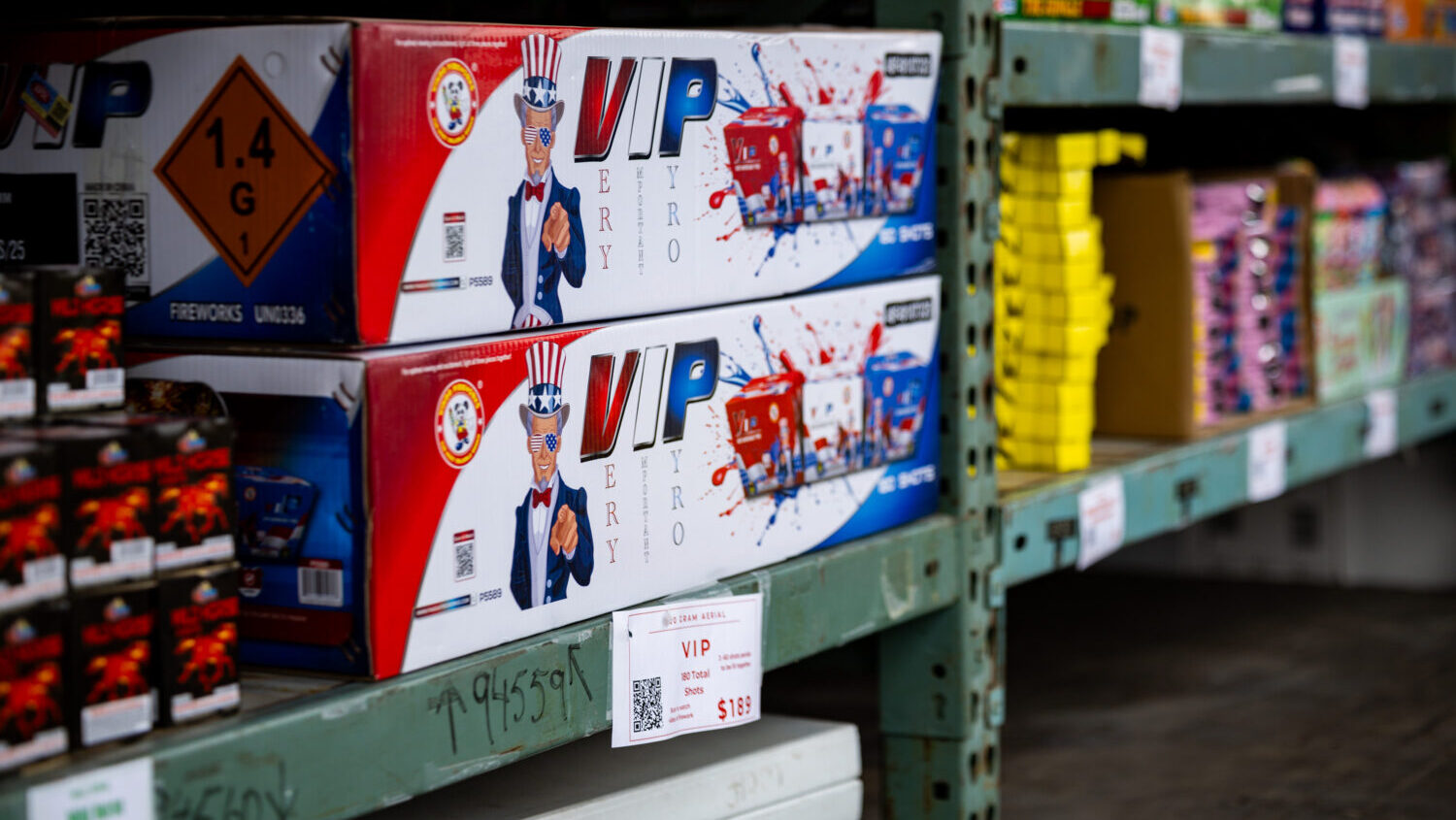
Fireworks are for sale at Wild Wolf Fireworks in Taylorsville on Tuesday, June 30, 2026. But many cities have joined with Gov. Spencer Cox to enforce a fireworks ban, at least over the July Fourth holiday weekend. (Tess Crowley, Deseret News)
Barnes said while lightning sparked several recent fires, most wildfires in Utah are still caused by people, making prevention one of the most effective ways to reduce both wildfire risk and firefighting costs.
Related: San Juan County’s Babylon Fire burns four structures, 48,000 acres
“What we need people to understand this year is we’ve seen historical conditions,” Barnes said. “It’s dry. We’ve got low moisture in those fuels. Some of those fuels are combustible at this point.”
Recreate responsibly
Utah is currently under Stage 2 fire restrictions, which prohibit campfires on many public lands. Barnes said officials still want people to enjoy the outdoors, but they’re asking everyone to take extra precautions.
“We still want people to recreate,” Barnes said. “If you’re going to go out and recreate, recreate responsibly. Make sure your chains aren’t dragging on your trailers. Make sure your vehicle has proper maintenance so you’re not sending sparks down the freeway. Just take those extra precautionary measures.”
Fire officials say suppression cost estimates will continue to change as fires remain active and do not include losses to homes, businesses, infrastructure or other long-term economic impacts.