How could Utah’s dry soil impact our spring runoff?
Oct 7, 2024, 3:00 PM
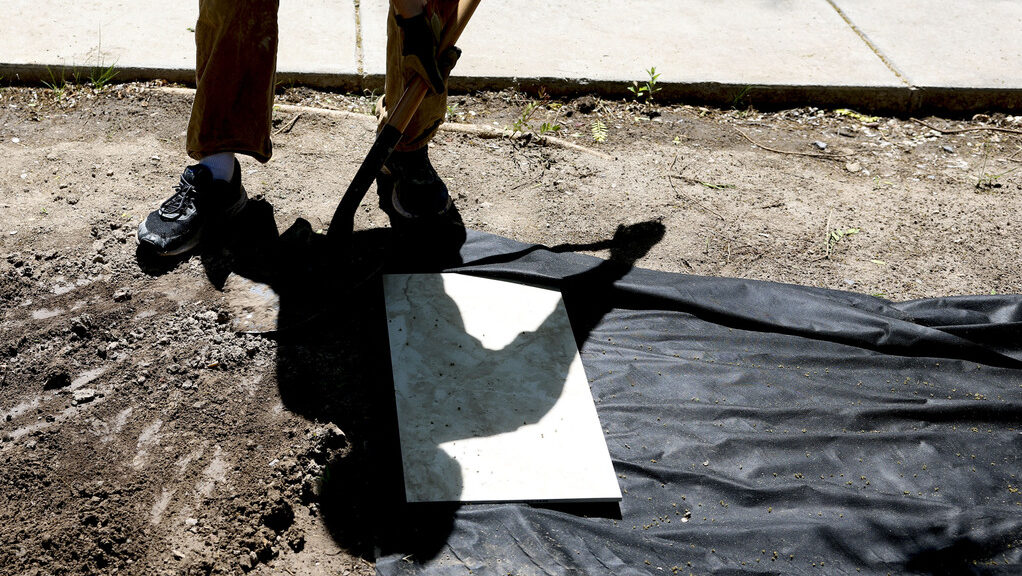
Liam Marx shovels soil over a sprinkler pipe he repaired in his yard in Layton on Thursday, June 2, 2022. (Laura Seitz, Deseret News)
(Laura Seitz, Deseret News)
SALT LAKE CITY — The warm start to fall means most of the state has abnormally dry soil. If that trend continues it could impact our snowmelt next spring, reducing it by as much as 20%.
The drier the soil is going into winter, the more water from the snowpack it will soak up. That leaves less water that makes it to tributaries, streams, rivers and lakes.
KSL Meteorologist Matt Johnson says we have to recharge the soil with water however, right now that’s not happening.
“Usually October, November is when you want to do that because then the snow really starts stacking up as we get into December, January, February,” said Johnson.
He said it’s still too early to know for sure if the soil will affect our snowpack next spring as there is a few more months to add moisture to the soil.
Ideally, soil will have a high moisture content going into winter to avoid soaking up the water we get from our snowpack.
Abnormally dry soil can soak up to 20% of the snowmelt. According to Johnson, 81% of the soil across the state is abnormally dry and 9% is in drought.
“The dryer your soil is, the more snowmelt you lose to moistening the soil. It soaks in like a sponge and then you don’t get as much runoff down to your water your bodies of water,” said Johnson.
Related reading:
- Salt Lake City hits a record 90 degrees on Friday
- After a mostly hot and dry summer, here’s what Utah’s fall weather may look like