How to prevent billbug damage in your grass
Jul 15, 2025, 11:29 AM

(Larry Sagers)
(Larry Sagers)

SALT LAKE CITY — Is your lawn looking a little damaged? It might be due to billbugs. These insects can be very problematic to your grass in the summer, but there are some ways you can prevent them from taking over.
What are billbugs?
Utah has three species of billbugs: the Denver billbug, the Kentucky bluegrass billbug, and the hunting billbug. While the adults don’t do a lot damage because they feed on individual grass blades, their larvae, also known as grubs, do.
In the general life cycle of billbugs, the adults overwinter in the fall, hiding in places like your lawn and leaf litter, and then lay eggs in the spring. After those eggs pupate around May, grubs come out and start causing damage in late June and early July.
According to KSL Greenhouse Host Taun Beddes, Kentucky bluegrass billbugs cause 60% to 70% of lawn damage.
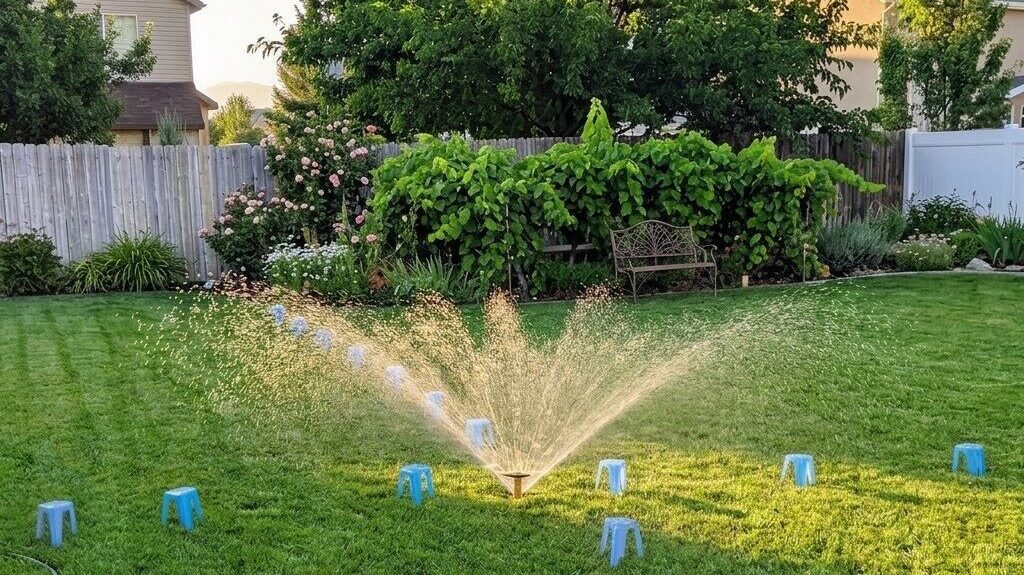
“What will happen, though, is people will start to see this damage in late June, right when we’re getting hot, and they assume that it’s drought and they’ll just ramp up the sprinklers … And they don’t check until the brown spots really start to spread and it’s killed large sections of the lawn and then they realize the lawn’s lifting up.”
How to keep your lawn billbug-free
Billbugs tend to attack overly maintained lawns, but there is a reason why.
“If your lawn is overwatered, mowed too short and overfertilized, yes, it’s going to be green, but the roots are too short,” said Beddes. “So if you have the crowns or roots fed on, they can’t recover from it. When you overfertilize, the grass doesn’t have enough time to make defensive chemicals that the grubs don’t like.”
The key to keeping your lawn resistant to billbugs is taking proper care of it. This includes maintaining adequate nutrition, mowing to a height of three to four inches and allowing the lawn to dry out between irrigations.
“If you allow the lawn to dry out between irrigations, a lot of times the eggs will desiccate in the soil and the grubs (will) die,” Beddes said.
If you’ve had problems with grubs in the past, Beddes recommends getting a preventative containing imidacloprid down sometime between mid- to late May. If the issues were severe, he suggests reapplying in mid-July.
“Our alkaline soil breaks (the preventative) down before the end of the season. And so if we start running into grub problems or sod webworm problems later in the fall, it’s because they’ve run out.”
Read more from the KSL Greenhouse show:
- Looking for a colorful vegetable that’s easy to grow? Try beets
- Benefits of using mulch in your garden and flower beds
- Gardeners, here’s how you can prepare for grasshopper season
KSL Greenhouse is live on Saturdays from 8 a.m. to 11 a.m. Follow the show on Facebook, Instagram, and YouTube.